The Chengdu Research Base of Giant Panda Breeding is the best place in the world to see giant pandas up close. Here's what to expect, the best time to visit, and how to book from New Zealand.
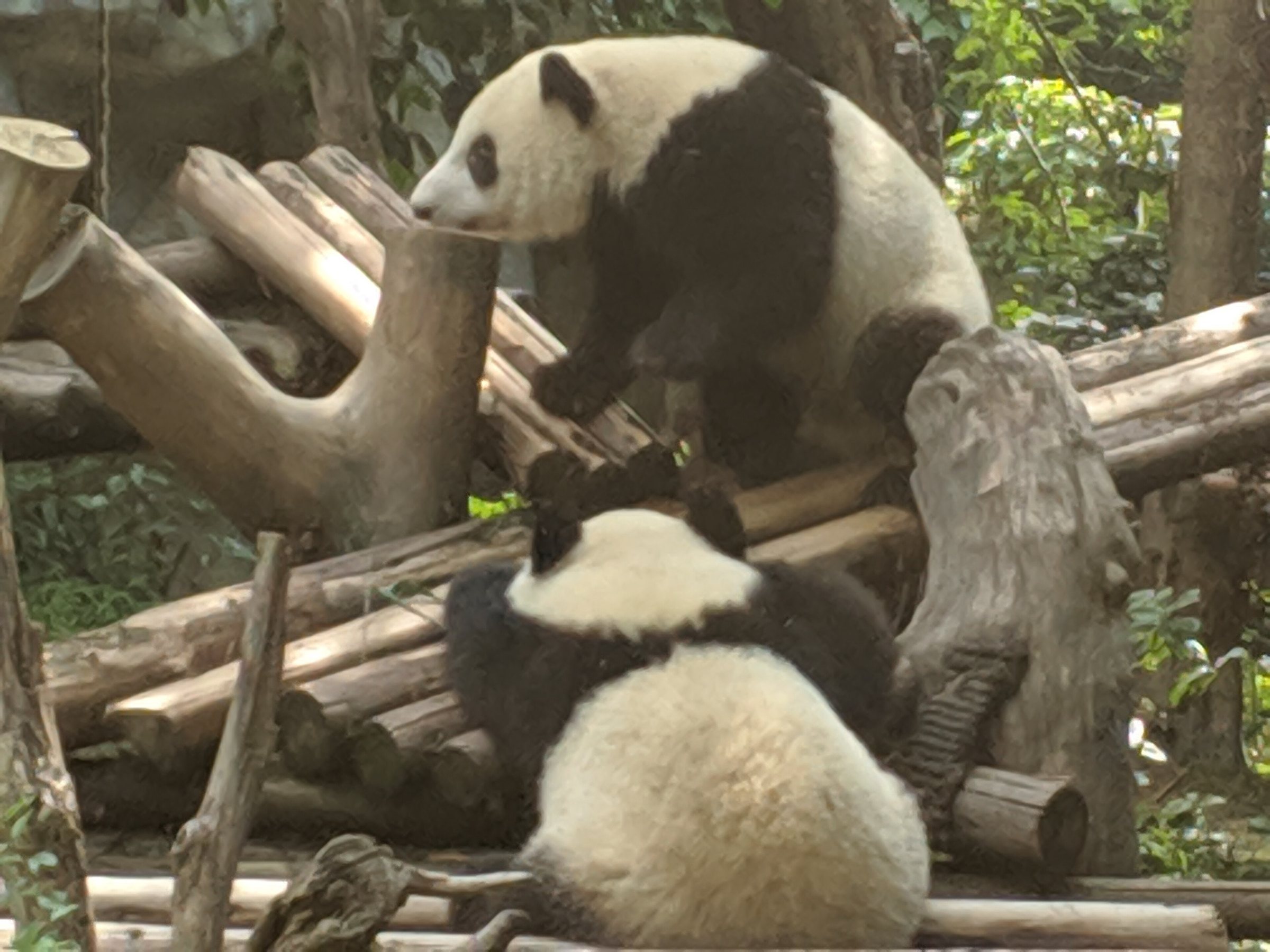
There are approximately 1,800 giant pandas left in the wild. About 600 live in captivity. The single best place in the world to see them — to actually stand close to them, watch them eat, observe them in naturalistic bamboo forest environments — is the Chengdu Research Base of Giant Panda Breeding in Sichuan Province.
Here is everything New Zealand travellers need to know before visiting.
About the Research Base
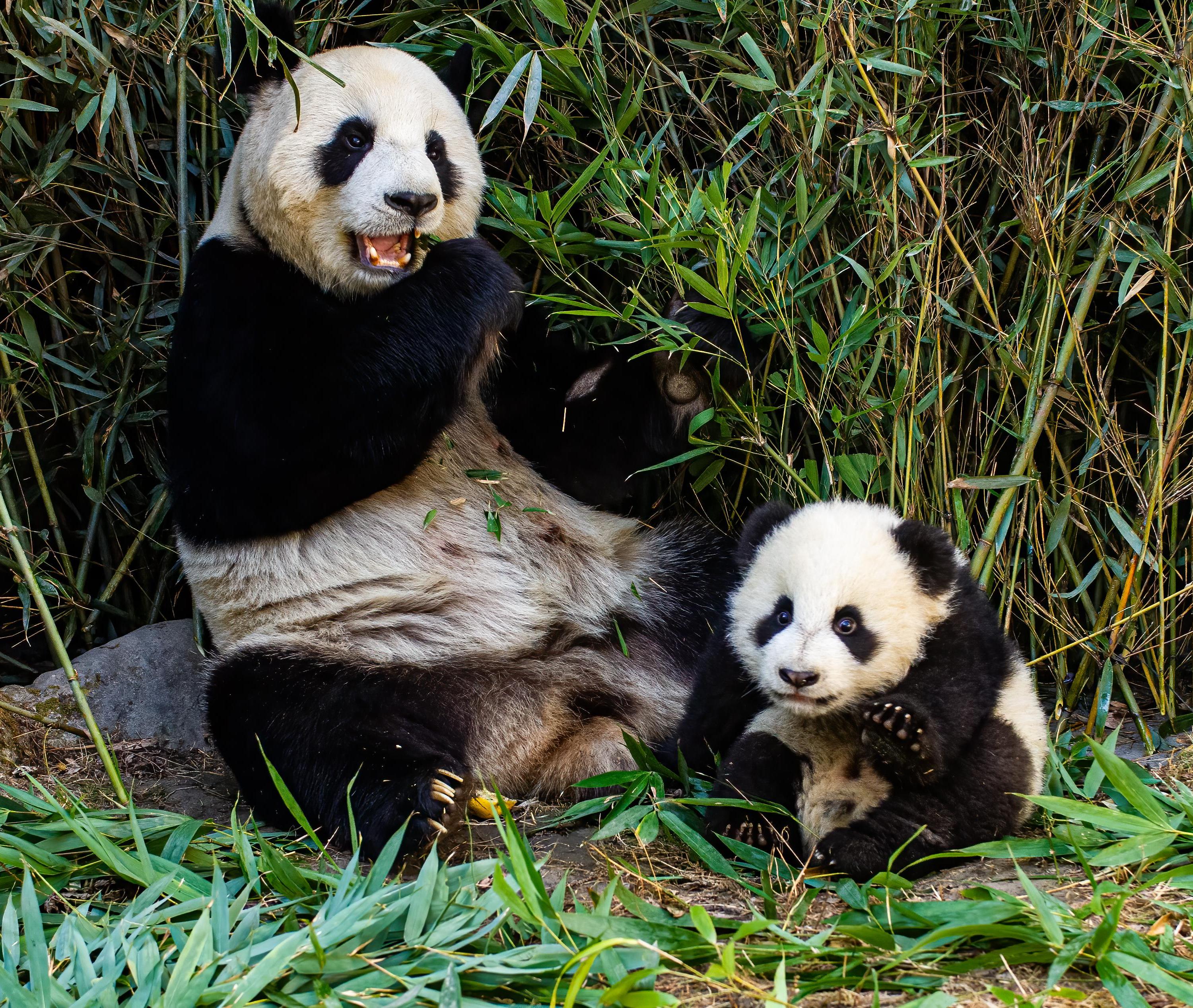
The Chengdu Research Base of Giant Panda Breeding was established in 1987 with six pandas rescued from the wild. It now houses more than 200 giant pandas and red pandas across 3,500 acres of bamboo forest habitat — the largest captive panda population in the world.
The base operates as an active conservation and research facility, not simply a zoo. It has made significant contributions to global panda population growth through captive breeding programmes, and regularly works with wild panda reserves on reintroduction and habitat management. UNESCO has recognised it as a Man and Biosphere Reserve.
The result, from a visitor perspective: the pandas live in habitats that replicate their wild environment rather than the small enclosures of older zoo designs. You see them moving through bamboo groves, climbing trees, and interacting with their surroundings. The scale of the facility means you can spend hours here without covering the same ground twice.
The Critical Timing Rule: Come Before 10am
Giant pandas are crepuscular — most active in the early morning and late afternoon. Between roughly 8am and 10am, they are awake, moving, and eating. By 10am they are beginning to settle. By noon they are almost entirely inactive and will not move significantly for the rest of the afternoon.
If you arrive at 11am, you will see pandas sleeping. This is not the visit people remember.
Arrive at opening time (7:30am) or within the first hour. Watch the feeding, which happens at the enclosures throughout the morning. Position yourself at feeding stations 10–15 minutes before the bamboo is delivered if you want the best viewing position.
Giant Pandas vs Red Pandas
The red panda (Ailurus fulgens) is a separate species from the giant panda — more closely related to raccoons and weasels than to bears. It is smaller (roughly the size of a large cat), has reddish-brown fur, and is in many respects more engaging as a viewing animal: more active during visiting hours, more curious, more likely to approach visitors.
Most visitors come for the giant pandas. The red pandas are a bonus that many people describe as the actual highlight. They are in the same facility, accessible on the same visit.
What the Experience Is Like
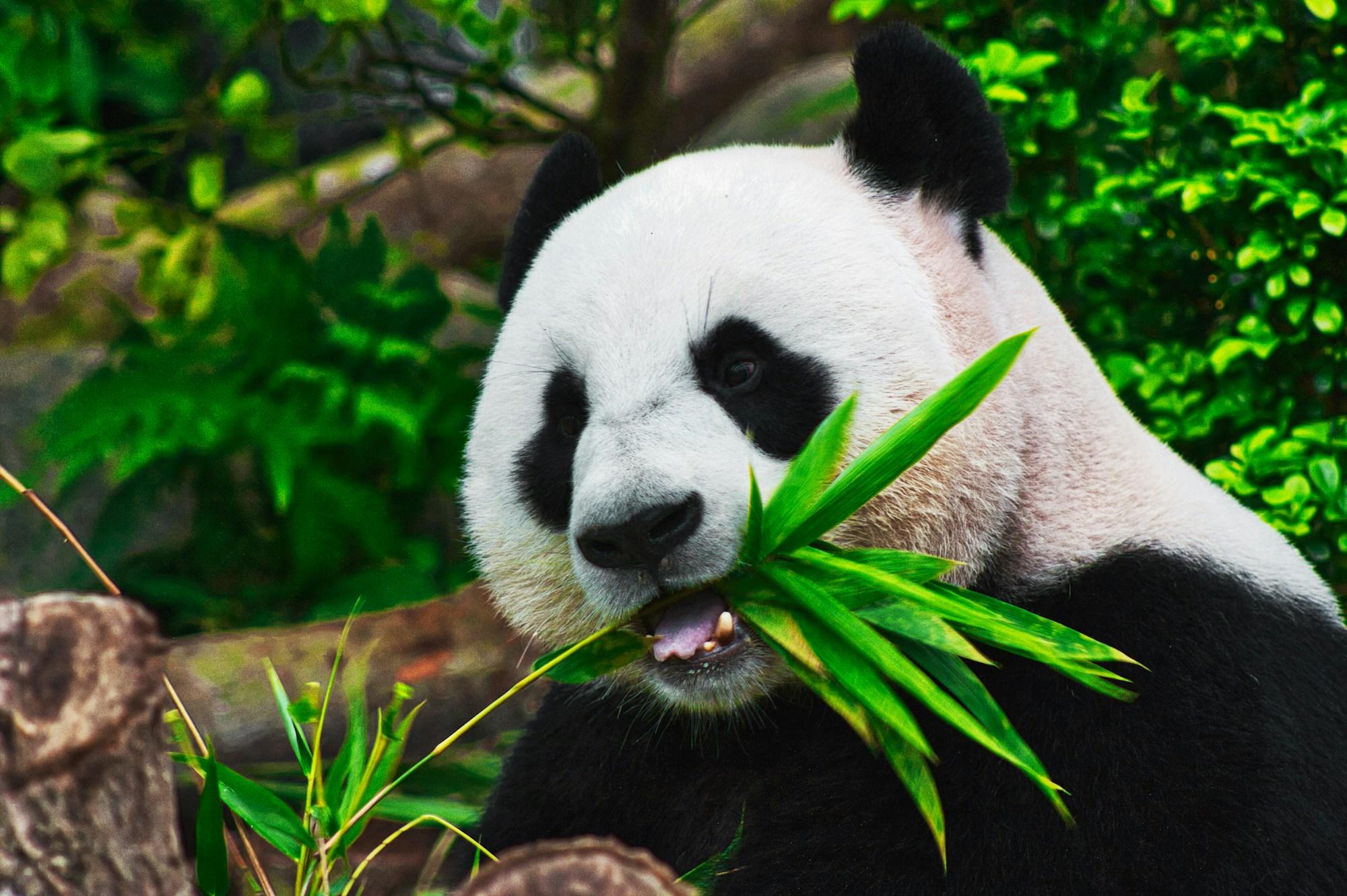
The pandas eat bamboo for most of their active hours — up to 38kg per day, given that bamboo has minimal nutritional value and they need quantity to compensate. Watching a giant panda eat bamboo — the methodical grip, the cracking of stems, the indifference to the audience — is one of those experiences that is genuinely difficult to describe as entertainment but is somehow completely absorbing for 30–40 minutes.
The facility is clean, well-organised, and easy to navigate. Paths wind through bamboo forest between the different enclosure areas. A shuttle bus operates for visitors who don't want to walk the full circuit.
Photography: The pandas are relatively easy to photograph at the right time of day. Natural light in the morning is generally good. A zoom lens is not necessary — the viewing areas allow reasonably close approach.
Combining the Panda Base with Chongqing
Chongqing (Liziba Station, Hongyadong, UNESCO Dazu Rock Carvings) and Chengdu (panda base, People's Park, Leshan Giant Buddha or Sichuan Opera) are 90 minutes apart by bullet train, which makes them an easy pairing.
See our Chengdu tours →