Which section of the Great Wall should you visit? How steep is it really? Baker Gu breaks down the four main sections, best times, and how CTS tours make the experience unforgettable for NZ travellers.
I'm Baker Gu, and the Great Wall question comes up in almost every inquiry I receive from New Zealand travellers. Which section? How long? Is it really that steep? What time should we go?
After guiding hundreds of clients from Auckland and Wellington along various stretches of the Wall, here is my honest, opinionated guide.
Why the Great Wall Surprises Every First-Time Visitor
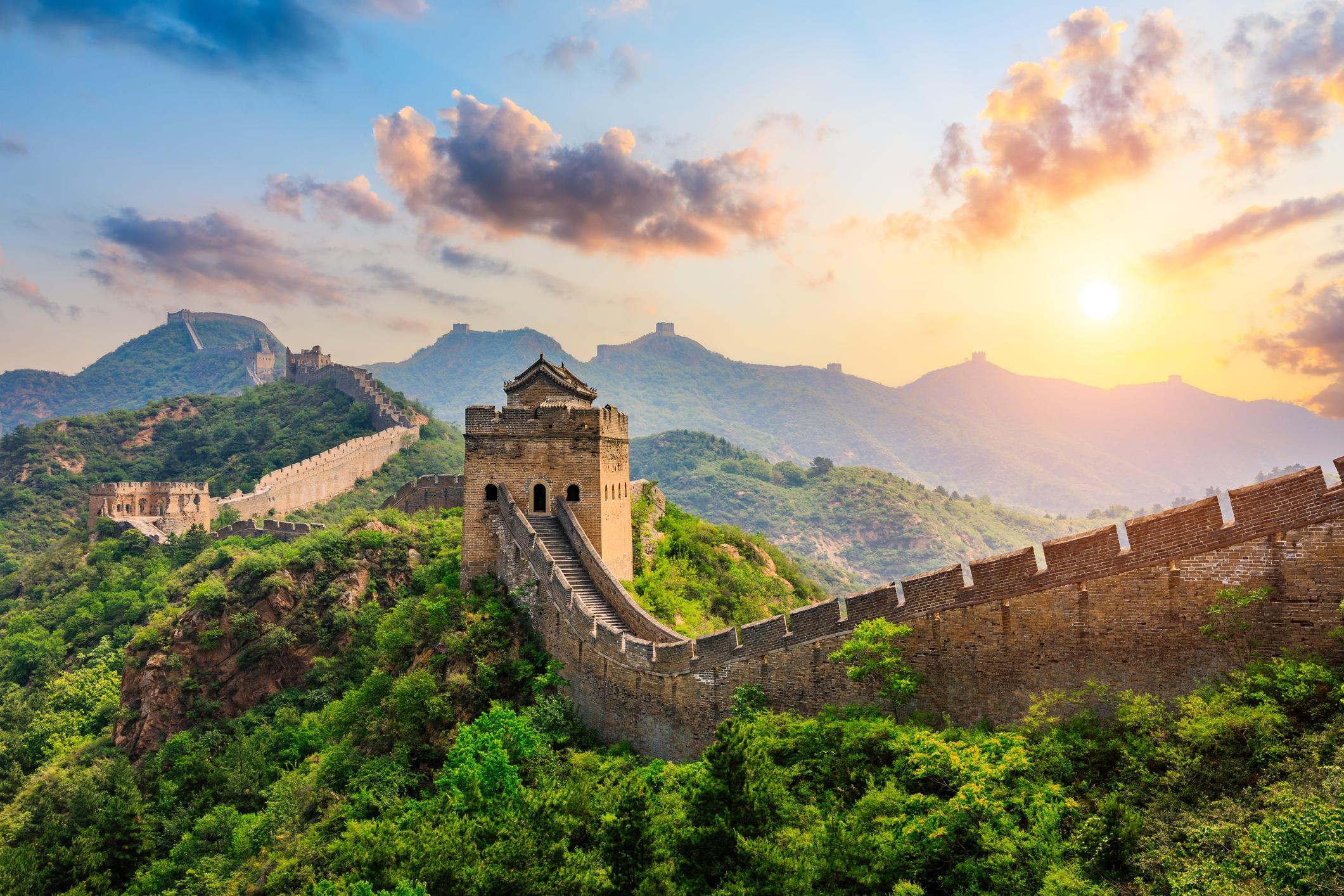
Photographs cannot prepare you for the Wall in person. The images always show it snaking into the distance — that part is accurate — but they don't convey the steepness, the narrowness of the path, or the strange feeling of standing on something built across 2,000 years by a civilisation that is still very much alive around you.
The Wall is also not one thing. It was built, rebuilt, extended, and allowed to crumble across many dynasties. What most visitors see near Beijing is the Ming Dynasty reconstruction (1368–1644) — well-maintained, with proper watchtowers, crenellated parapets, and the signature silhouette you recognise from postcards.
Choosing Your Section: Four Options
Mutianyu is my recommendation for most first-time NZ visitors. It sits about 75km northeast of central Beijing, takes roughly 90 minutes to reach by road, and offers a restored section with functioning cable car and toboggan descent. The toboggan is genuinely exhilarating and saves your knees on the way down. Crowds are lighter than Badaling, the scenery is excellent, and the day feels complete without being exhausting.
Badaling is the most visited section in the world — which should tell you something about both its accessibility and its crowds. It is closest to Beijing, fully wheelchair-accessible in some areas, and has excellent museum facilities. If you are travelling with elderly relatives or young children, Badaling makes sense. If you want space to breathe, go elsewhere.
Jinshanling to Simatai is the trekking section I recommend for clients who specifically want to hike. This is a 10km ridge walk between two sections, unreconstructed in parts, and genuinely demanding. The views are extraordinary. The sense of remoteness — even though you are only two hours from one of the world's largest cities — is real. Bring proper footwear and allow a full day.
Huanghuacheng (Lakeside Great Wall) is the hidden option. This section sits partially submerged in a reservoir, creating a surreal landscape that no other section matches. Less visited, more atmospheric, and perfect for photography. The section requires a local permit, which we arrange for our Signature clients.
What to Expect Physically
Even at Mutianyu, the Great Wall is not easy walking. The steps are irregular in height — some are 15cm, others 45cm — and the gradient on certain sections approaches 45 degrees. Wear proper footwear with ankle support. Avoid sandals, regardless of season.
At Jinshanling, allow 3–4 hours for the full trekking route. Take more water than you think you need. The Wall has no shade, and in summer the exposed sections are extremely hot.
In winter (December to February), the Wall is beautiful — clear skies, very few tourists, the possibility of snow — but the surfaces are icy and some cable car services are suspended. Our winter Wall experiences are some of the most memorable we offer, but they require appropriate preparation.
Best Time to Visit
October is the golden month: autumn colours in the hills, temperatures of 10–20°C, and post-Golden Week crowds that have thinned back to manageable. This is when I personally prefer to take clients.
April and May are also excellent — spring light, fresh vegetation, comfortable hiking temperatures.
Avoid July and August if possible. The heat on an exposed ridge in full summer is brutal, and school holiday crowds make the popular sections unpleasant.
How CTS Tours Plans Your Wall Day
On our Beijing itineraries, the Great Wall day is structured around you, not a fixed coach schedule. We typically leave your hotel by 7:30am to arrive before the day-trippers, allow 3–4 hours on the Wall itself, and work in a lunch stop at a restaurant near the base that serves proper Shandong-style food rather than tourist cafeteria fare.
For clients who want more, we can arrange overnight stays near the Wall — a few carefully selected guesthouses in the nearby villages offer the rare experience of seeing the Wall at dusk and dawn, empty and luminous, before the day visitors arrive.
Practical Details
- Cost at Mutianyu: Cable car up + toboggan down + entrance = approximately CNY 160 (NZD 37 at current rates). Budget separately.
- Getting there independently: Public bus from Dongzhimen (Line H23) + local shuttle. Takes around 2 hours. Reliable, inexpensive.
- Photography tip: The best light is in the first two hours after sunrise and the hour before sunset. The midday light is flat and unflattering.
- What to bring: Sunscreen, a hat, at least 1.5 litres of water per person, snack bars, and a light jacket — even in summer, wind on the ridgeline can be cool.
Interested in adding the Great Wall to your China itinerary? Browse our Beijing tours or contact us and we'll build something around your timeline and fitness level.