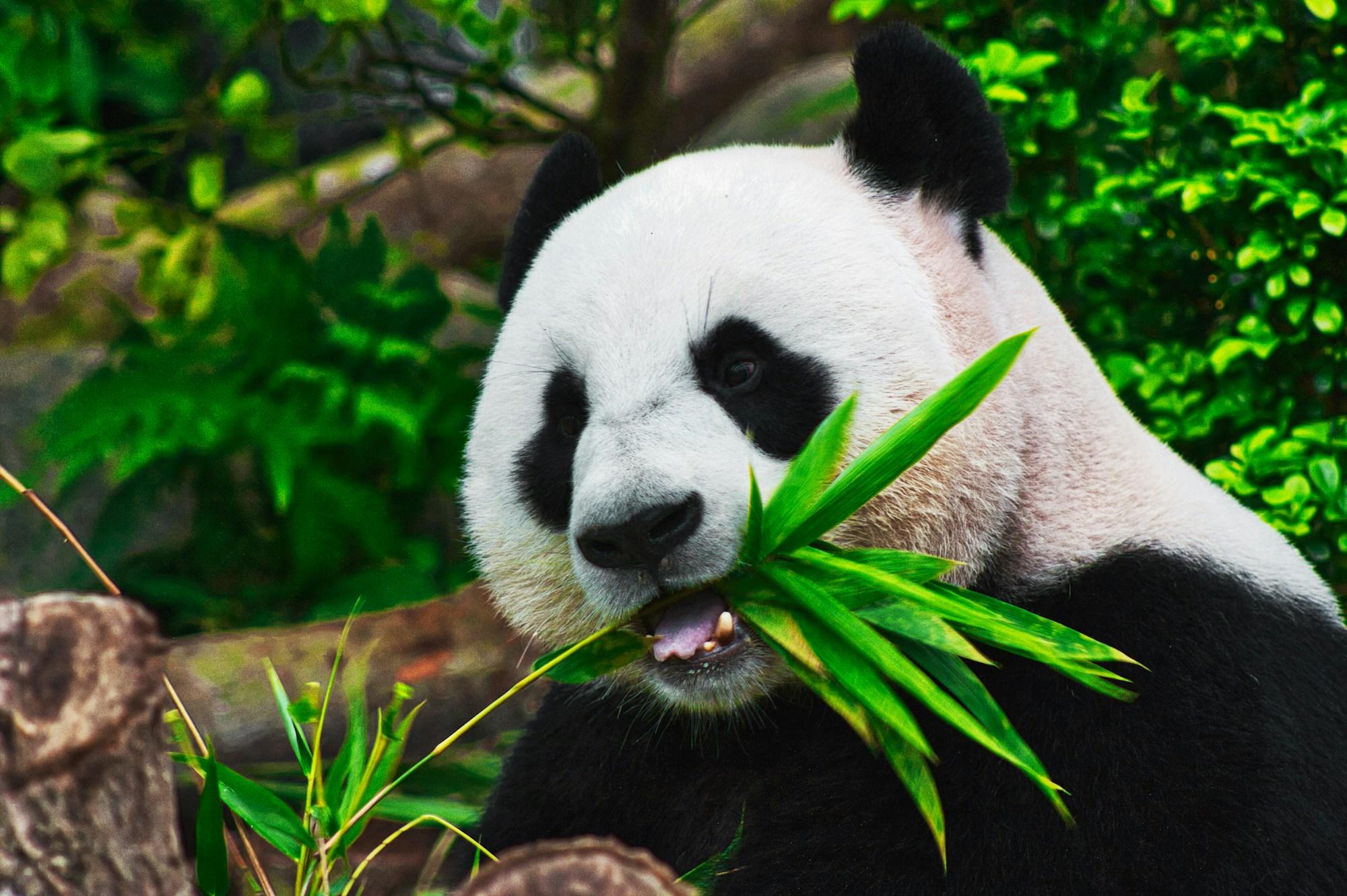
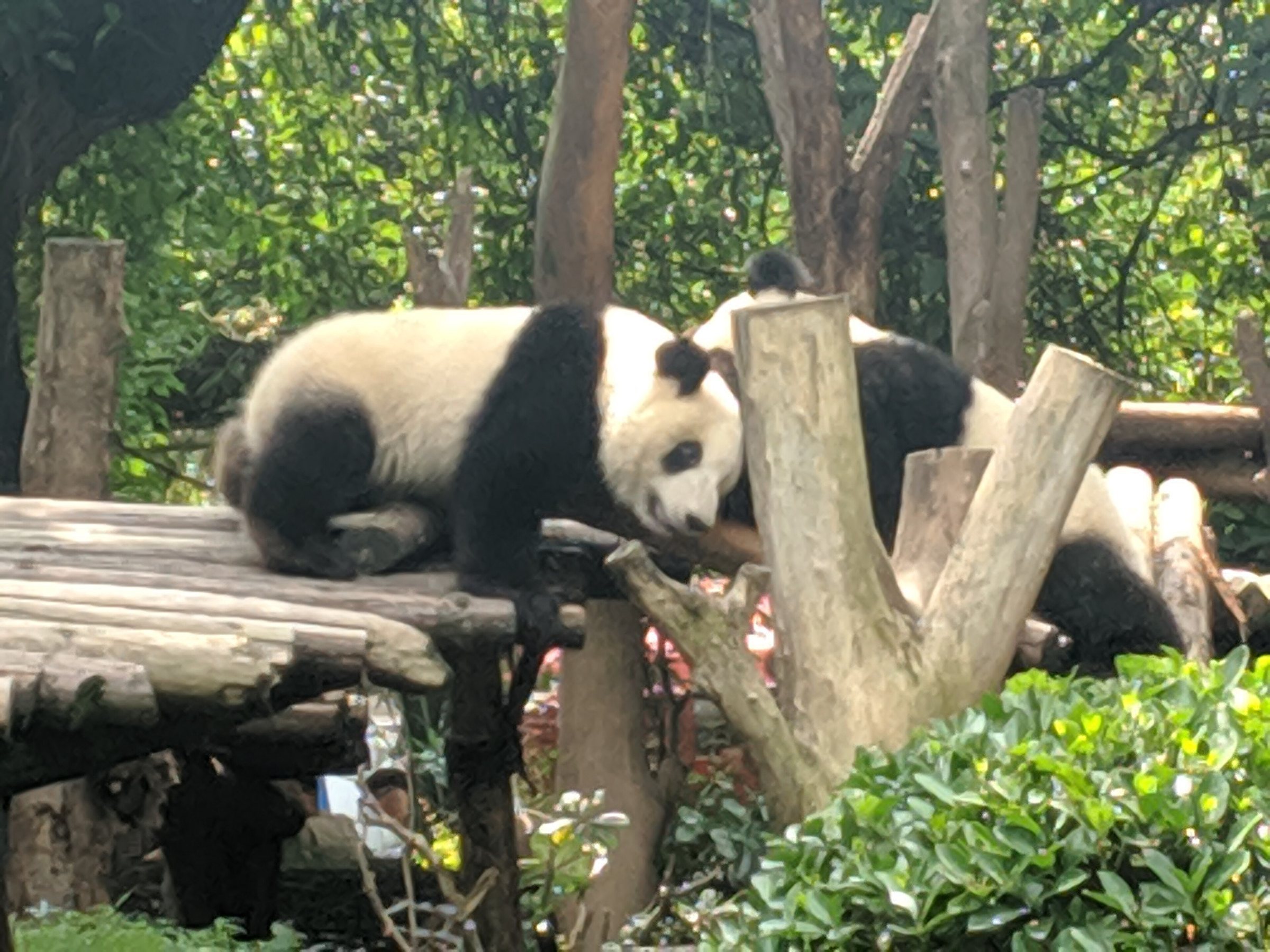
Giant pandas in their element, an hour from Chengdu city centre. What the panda base is actually like, how to get there from NZ, and why October is the best month to go. By Baker Gu, CTS Tours NZ.
The Chengdu Research Base of Giant Panda Breeding houses approximately 150 giant pandas — 70% of the world's captive population. NZ passport holders can visit visa-free (no application required, up to 30 days, until 31 December 2026). CTS Tours Chengdu packages depart from Auckland with return flights included, from NZD $3,700.
---
I'm Baker Gu, CTS Tours NZ's China specialist. I've been taking New Zealand clients to Chengdu for nearly two decades, and the panda base remains the single most consistently memorable experience on any of our itineraries. People who consider themselves "not really animal people" walk out of there converted.
Here's what to expect, honestly.
What the Panda Base Is Actually Like
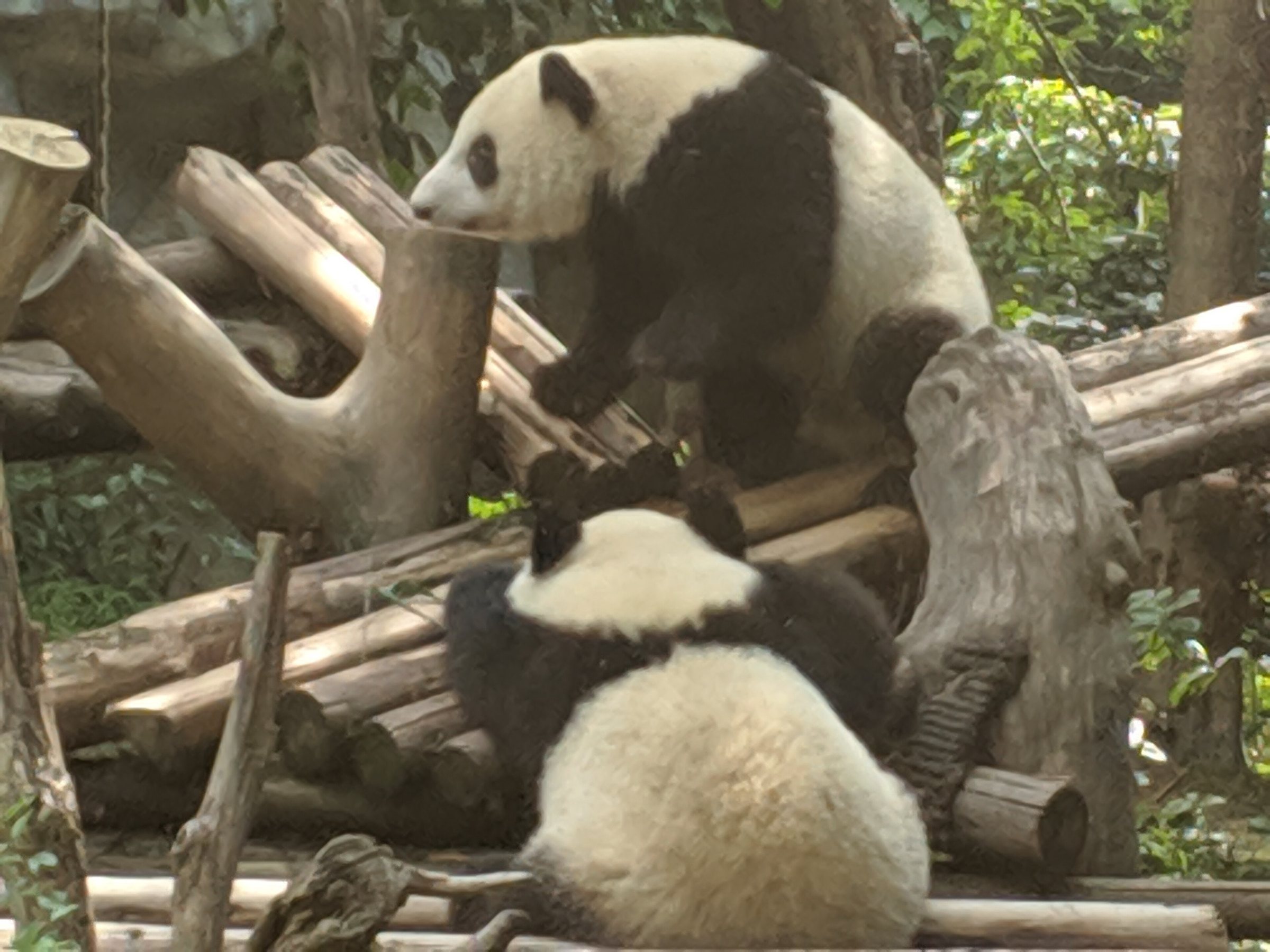
The Chengdu Research Base of Giant Panda Breeding (成都大熊猫繁育研究基地) is not a zoo. It's a 666-hectare research facility set in natural bamboo forest, where giant pandas live in spacious naturalistic enclosures. The mission is conservation breeding, not entertainment.
There are currently around 150 giant pandas on site — adults, sub-adults, and cubs, depending on the season. You walk through the enclosures at your own pace (or with our guide), observing animals that are genuinely doing what they'd do in the wild: eating bamboo, climbing, wrestling siblings, sleeping in improbable positions in trees.
The one rule I always give clients: arrive before 10am. Giant pandas are crepuscular — most active at dawn and dusk. By midday, they're asleep. An 8am arrival and an 11am departure gives you peak panda activity. A 10am arrival gives you sleeping pandas and a less memorable visit.
We build all our Chengdu tours around a 7:30–8am panda base arrival.
Red Pandas: The Surprise Highlight
The base also houses red pandas — a completely separate species, more closely related to raccoons than bears, but sharing the name because of their bamboo diet. They are small, fast, and deeply photogenic. Every client I've ever taken to Chengdu has called them a surprise highlight. The red panda enclosures are in the lower section of the base; don't skip them.
Getting There from New Zealand
Chengdu is approximately 12–13 hours from Auckland by air, typically via a hub like Hong Kong, Singapore, or Guangzhou. Direct Auckland-Chengdu flights operate seasonally — our team checks availability when building your itinerary.
The panda base is 40 minutes north of central Chengdu by private vehicle. Our tours handle transfers — you don't need to navigate this independently.
Because NZ ordinary passport holders enter China visa-free for up to 30 days, there is no pre-trip visa application. See our China visa guide for NZ travellers for the full checklist of what to carry at the border.
How to Combine Chengdu with Other Destinations
Most China tours from New Zealand combine Chengdu with other destinations rather than visiting it in isolation — our complete 2026 China planning guide covers itinerary length and city pairings in depth. The most effective combinations:
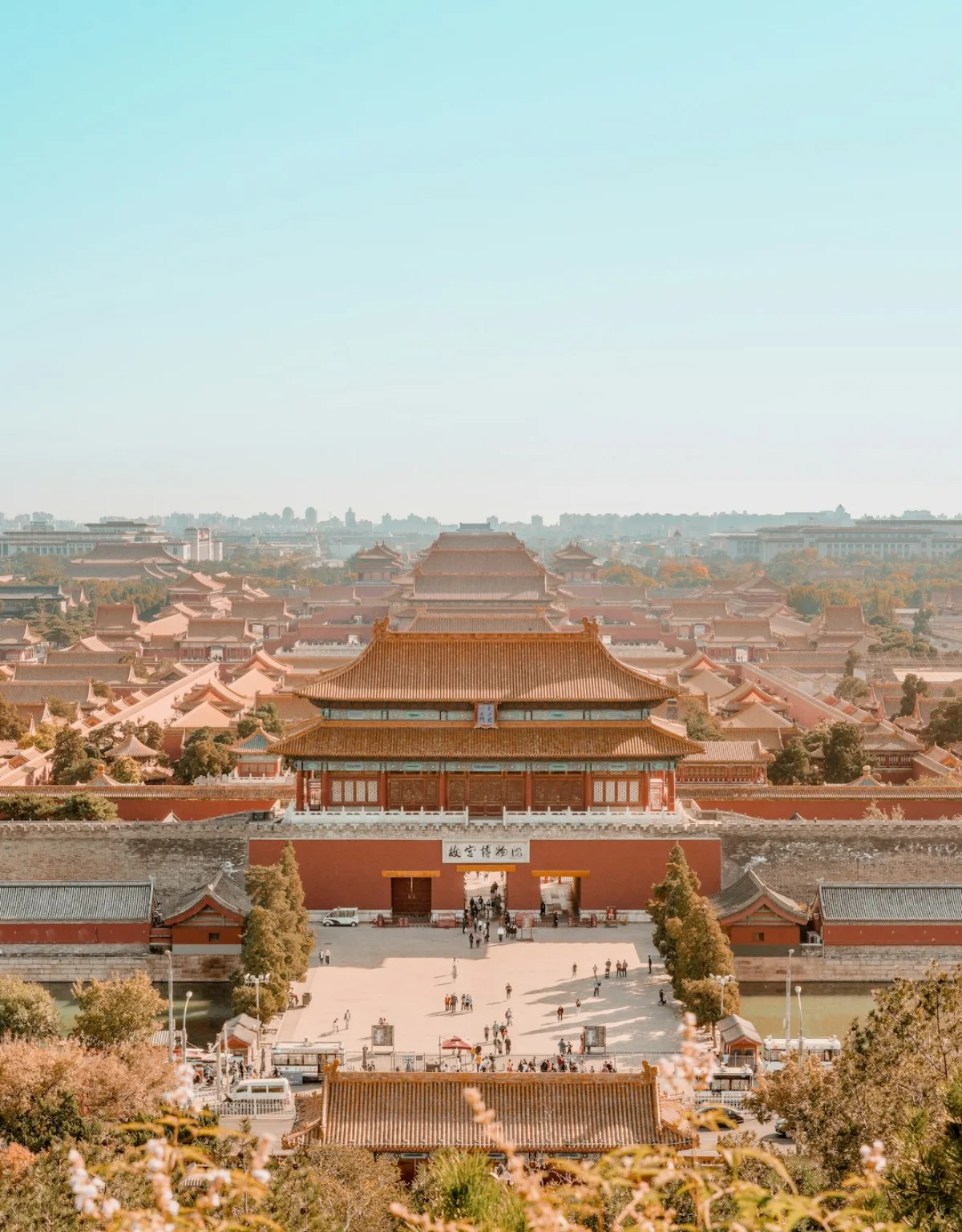
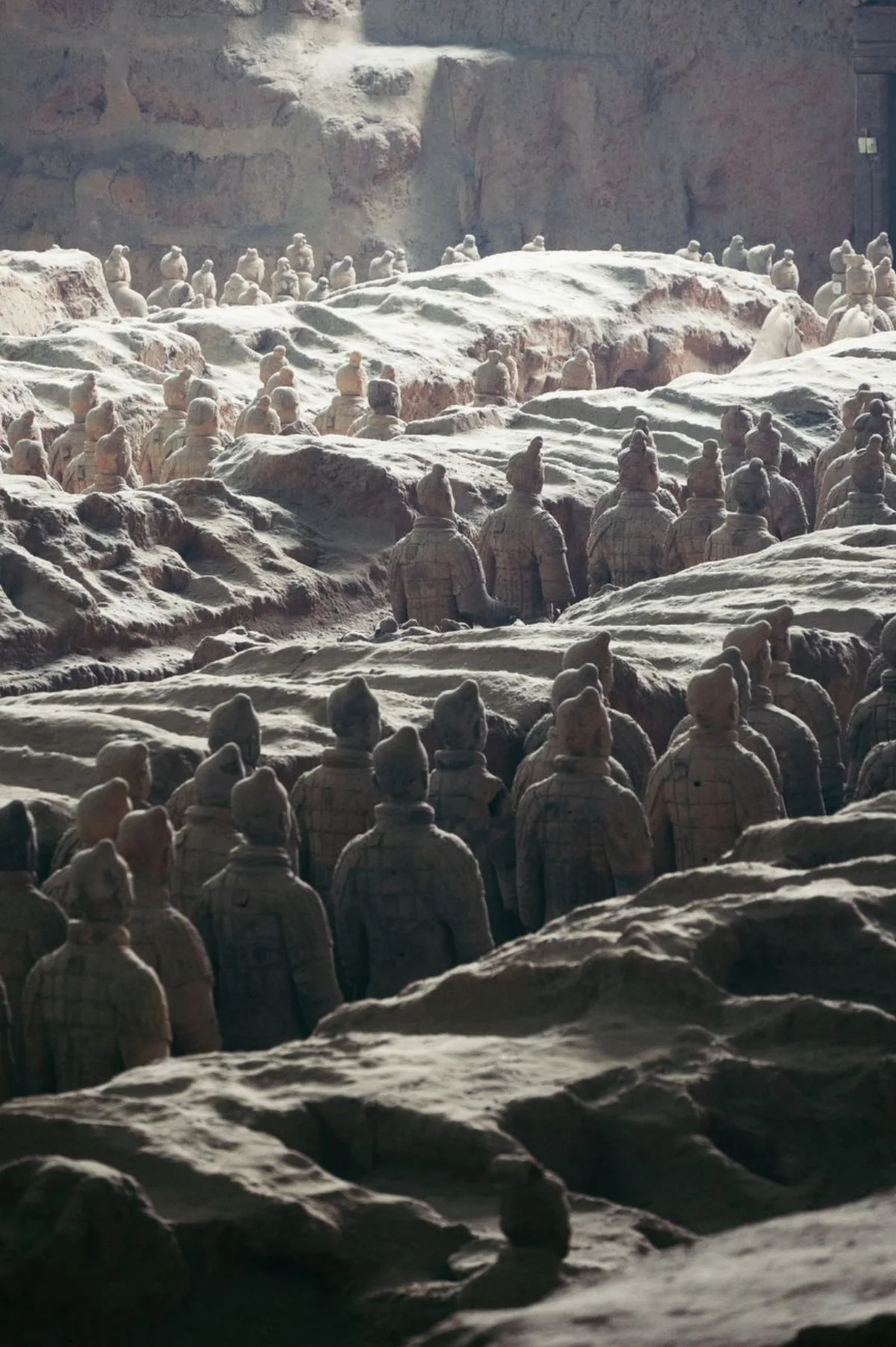
Chengdu + Beijing + Xi'an (14–15 days): Imperial history plus pandas. High-speed rail connects Beijing and Xi'an in 5 hours; a domestic flight links Xi'an and Chengdu in 1.5 hours. This is a natural circuit.
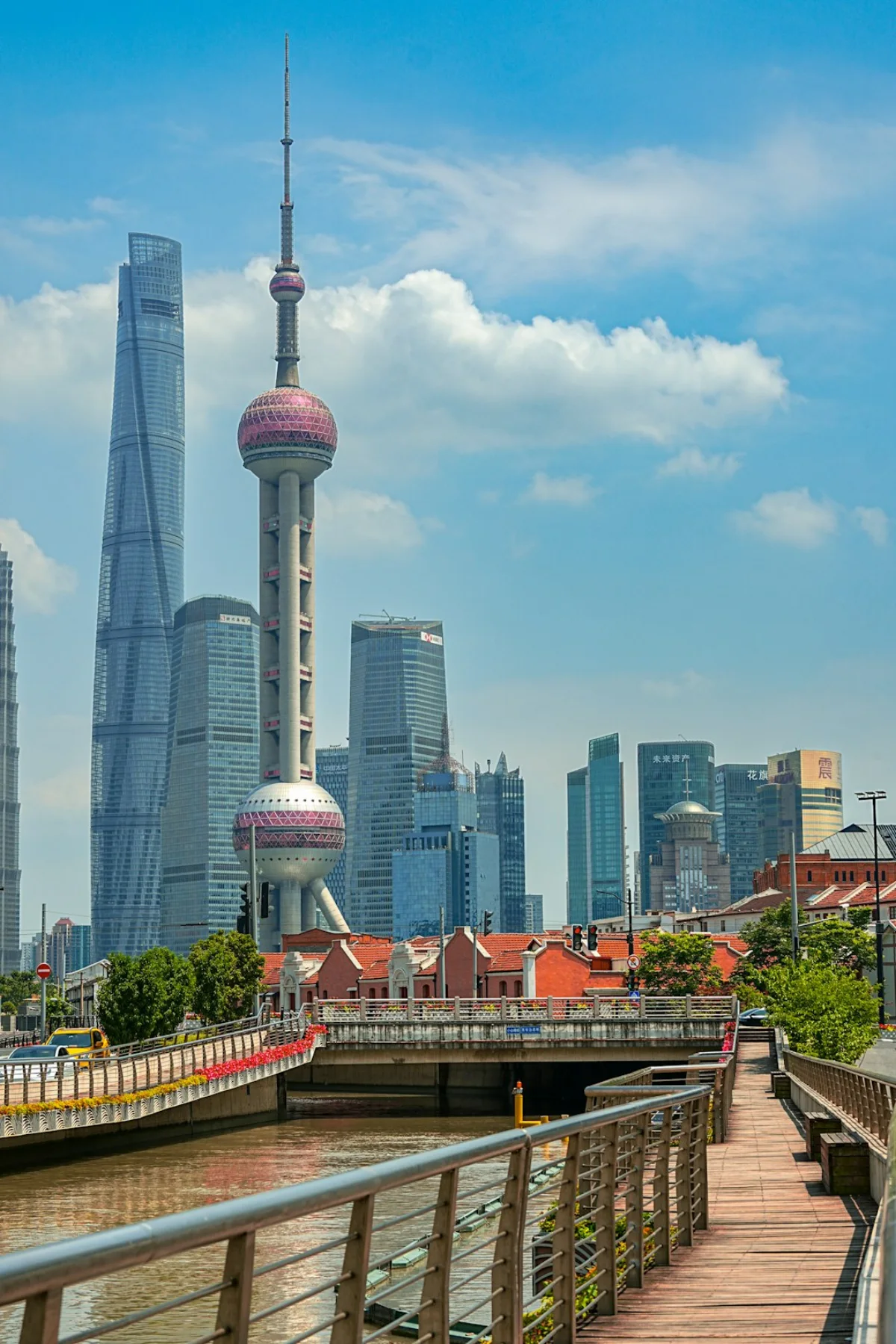
Chengdu + Shanghai + Suzhou (12–14 days): Modern cosmopolitan contrast with classical gardens and panda wildlife. Shanghai entry, Chengdu as the nature anchor.
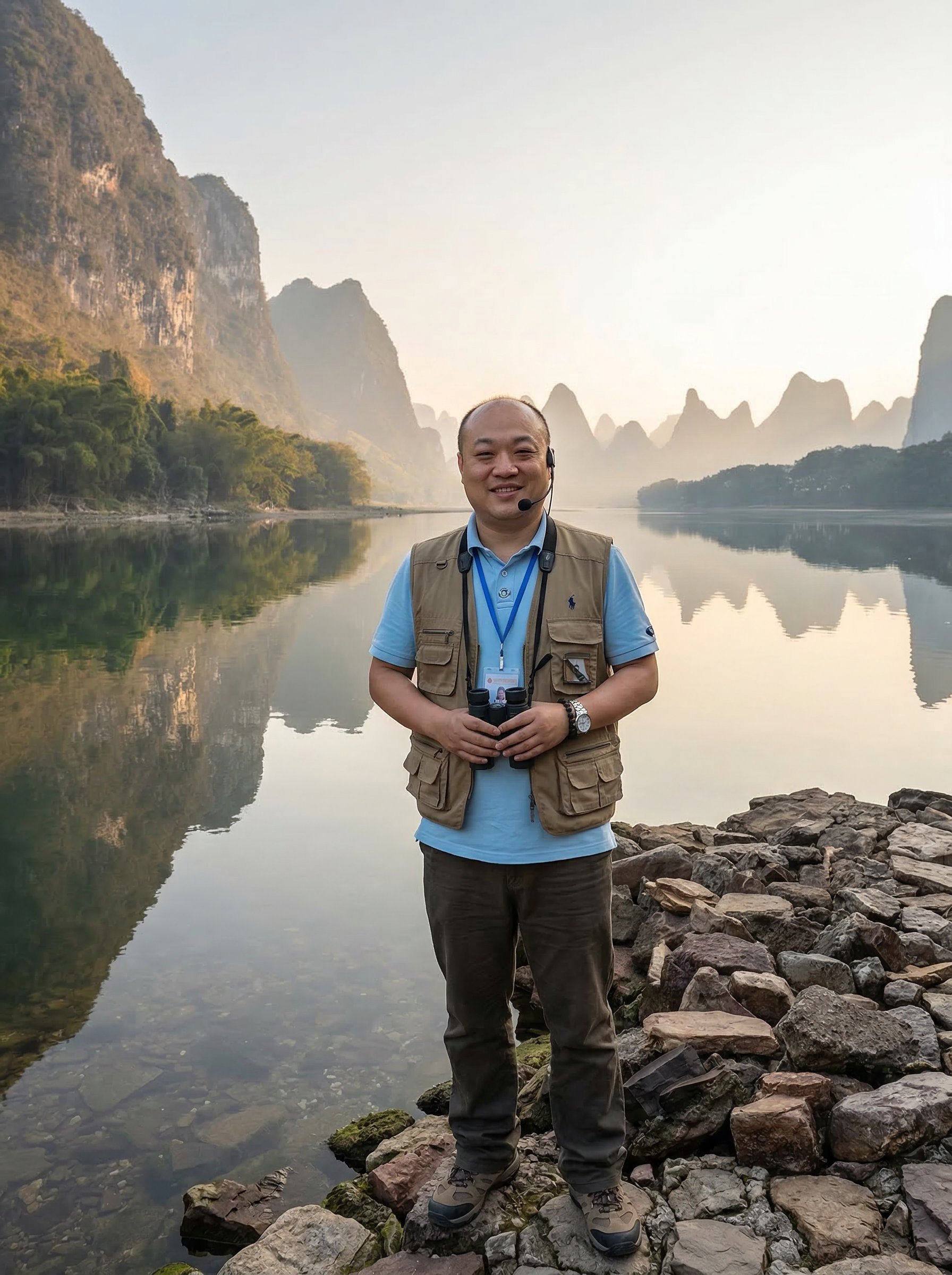
Chengdu + Guilin + Yangshuo (12–14 days): Two of China's most visually distinctive destinations. Neither is well-covered by the standard "imperial highlights" itinerary — this combination suits returning visitors.
Chengdu-only (5–7 days): For travellers who want depth over breadth. Three nights in Chengdu gives you: panda base morning, Leshan Giant Buddha day trip, Wenshu Temple, People's Park, Sichuan opera evening. Five nights adds Mount Emei or independent exploration.
Beyond the Pandas: What Else Is in Chengdu
The panda base gets you to Chengdu. Once you're there:
Leshan Giant Buddha — 120km south, 35 minutes by high-speed rail. A 71-metre stone Buddha carved into a cliff at the confluence of three rivers, built over 90 years in the 8th century. The staircase descent to foot level is one of the best physical experiences I include in any itinerary. See my Leshan day trip guide for the full logistics.
Sichuan opera (face-changing) — Mask-switching in fractions of a second, trade secret, no camera catches it. I include this on every Chengdu itinerary. The face-changing sequences get a genuine reaction from every group, every time.
People's Park teahouse — The single best place to understand Chengdu's pace of life. Arrive at 9am, order jasmine tea, and stay as long as you want. Ear-cleaning practitioners, mahjong players, retirees reading newspapers. Nothing is expected of you.
Sichuan cuisine — The food that most visitors remember longest. Chongqing-style hot pot (numbing spice, beef tallow broth), mapo tofu, dan dan noodles. Chengdu is legitimately one of the world's great food cities.
Spring (April–May): Mild temperatures 15–22°C, lower humidity, comfortable for walking. Panda cubs from the previous year are often in their first year of activity — more visible and entertaining than older adults.
Autumn (September–October): My personal recommendation for NZ travellers. Temperatures similar to spring, beautiful light, and the panda base is less crowded than summer. October pairs well with our autumn China departures.
Avoid July–August: Hot (30°C+), humid, and the base is at maximum visitor density. Pandas retreat to indoor air-conditioned areas. You'll see pandas, but the experience is less open.
Ready to plan a Chengdu panda tour from New Zealand? Contact our Auckland team or explore all Chengdu tours.