Beijing's hutongs are the ancient laneways where ordinary Beijingers lived for centuries. Baker Gu explains the history, the best areas to explore, and why the hutongs tell a more honest story about China than any imperial monument.
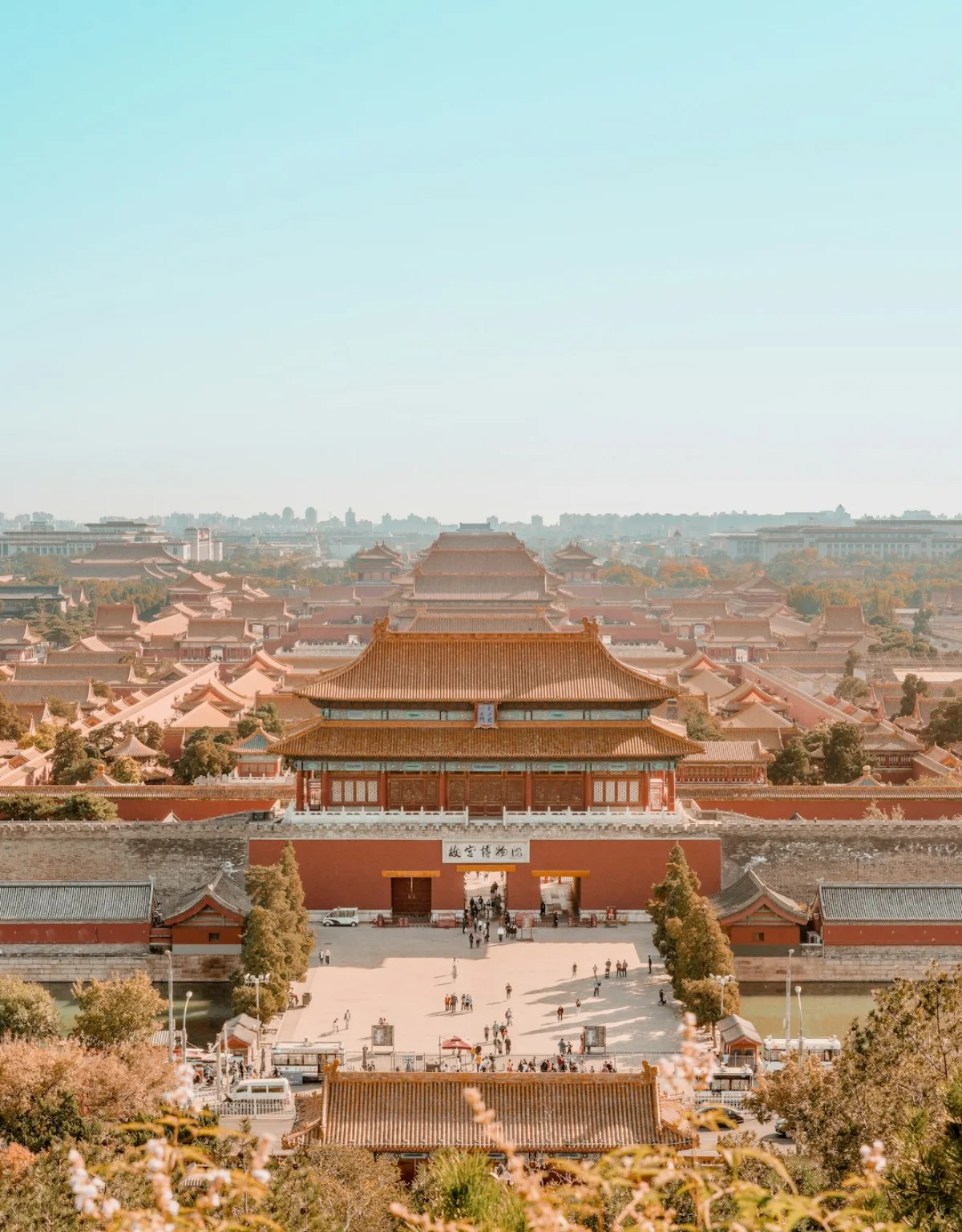
The Forbidden City and the Great Wall tell the story of Chinese imperial power — the emperors, the armies, the dynastic ambitions. The hutongs tell a different story: the one about everyone else.
I'm Baker Gu, and hutong visits are consistently among the most affecting experiences I plan for my New Zealand clients. Not because the alleyways are pretty, though some are. But because they are genuinely old, genuinely inhabited, and genuinely Beijing in a way that the tourist-facing attractions cannot replicate.
What Is a Hutong?
The word hutong derives from the Mongolian word for "water well" — the community shared wells that the Yuan Dynasty settlers of the 13th century organised their settlements around. The Mongols built Beijing as their imperial capital (calling it Khanbaliq), and the grid of alleys surrounding the well areas became the template for residential Beijing.
By the Ming Dynasty (1368–1644), Beijing had an estimated 6,000 hutongs. By the Qing Dynasty (1644–1912), closer to 9,000. At their peak in the early 20th century, they housed almost the entire population of the city.
Today, after decades of urban redevelopment that demolished much of old Beijing, approximately 1,000 hutongs remain in various states of preservation.
Why They Matter
Imperial China had an extraordinarily stratified social structure, and Beijing's layout reflected it precisely. The Forbidden City was at the centre. Around it, in rings, were the residences of the imperial family, then the nobilities and high officials, then merchants and tradespeople, then everyone else — all the way out to the city walls. The hutongs were where ordinary Beijingers lived their actual lives: raising children, running small businesses, practising trades, attending their neighbourhood temples.
The siheyuan — the courtyard house that is the basic unit of hutong architecture — tells you everything about traditional Chinese family structure. A central courtyard with rooms on four sides, each room assigned by status within the extended family: the patriarch and his wife in the northern room (highest status, best light), sons and their families in the eastern rooms, daughters in the western, and servants and storage in the southern section near the gate.
Walking through the hutongs, you still encounter siheyuan in various states of preservation. Some have been beautifully restored; others are still divided among multiple families in the improvised way that decades of communal living produced; others have been converted into guesthouses, restaurants, or boutique hotels.
Where to Explore
The Drum Tower area (Gulou) is where most visitors start, and rightly so — the hutongs radiating out from Gulou Dongdajie and the adjacent lake areas (Houhai) are among the best preserved and contain interesting old residences, independent coffee shops, and the occasional converted courtyard restaurant.
Nanluoguxiang is the most touristed hutong — a single straight alley lined with boutique shops, cafes, and street food. Worth a look, but not representative. The real hutong experience is in the surrounding grid of smaller alleys that branch off it.
Wudaoying Hutong near Yonghegong (the Lama Temple) is less visited and more authentic — a mixture of residents going about their daily lives and a small selection of quality independent businesses that have moved in over the past decade.
Baitasi area in the west of the historic city is where a thoughtful urban regeneration project has been underway, restoring hutong courtyards while keeping residents in place. This is the model for how Beijing would ideally handle its remaining historic fabric.
The Pedicab Controversy
Most tour operators offer hutong pedicab rides: a rickshaw driver takes you through the alleys in 45 minutes. I offer these on our tours, but I always tell clients what they are getting — a surface impression, moving. If you want to understand the hutongs, you need to walk them slowly, stop when something catches your attention, and ideally share a meal in one of the courtyard restaurants rather than just passing through.
Hutong Etiquette
The hutongs are residential streets, not a theme park. People live here. When exploring:
- Keep noise down, especially early morning
- Do not photograph individuals without permission
- The open courtyard gates you can see through are private homes — peer respectfully but do not enter unless invited
- The public wells (mostly decorative now) and the public toilet buildings (which still exist) are part of the infrastructure of a functioning neighbourhood
The Best Hutong Experience We Offer
On our Beijing days, we structure the hutong time as a combination: pedicab through the Drum Tower area to orient, then 90 minutes on foot through the surrounding alleys with a guide who has personal connections in the neighbourhood, followed by a lunch in a siheyuan courtyard restaurant where the food is home-style Beijing rather than tourist-adapted.
We finish with the lakes (Houhai or Qianhai, depending on season) where, in summer, residents bring their caged songbirds in the early morning and, in winter, skate on the frozen surface. Both are quintessentially Beijing and both are impossible to experience from a bus.
Explore Beijing authentically on our Beijing tours or our Beijing and Xi'an Discovery itinerary.