Sichuan cuisine is one of China's eight great culinary traditions, and Chengdu is its undisputed capital. Baker Gu explains the flavour science behind the numbing heat, and the dishes you absolutely must eat.
I'm Baker Gu, and I tell every client heading to Chengdu the same thing: put the food at the centre of the visit, not at the margins. Chengdu has been a UNESCO Creative City of Gastronomy since 2010. The designation is correct.
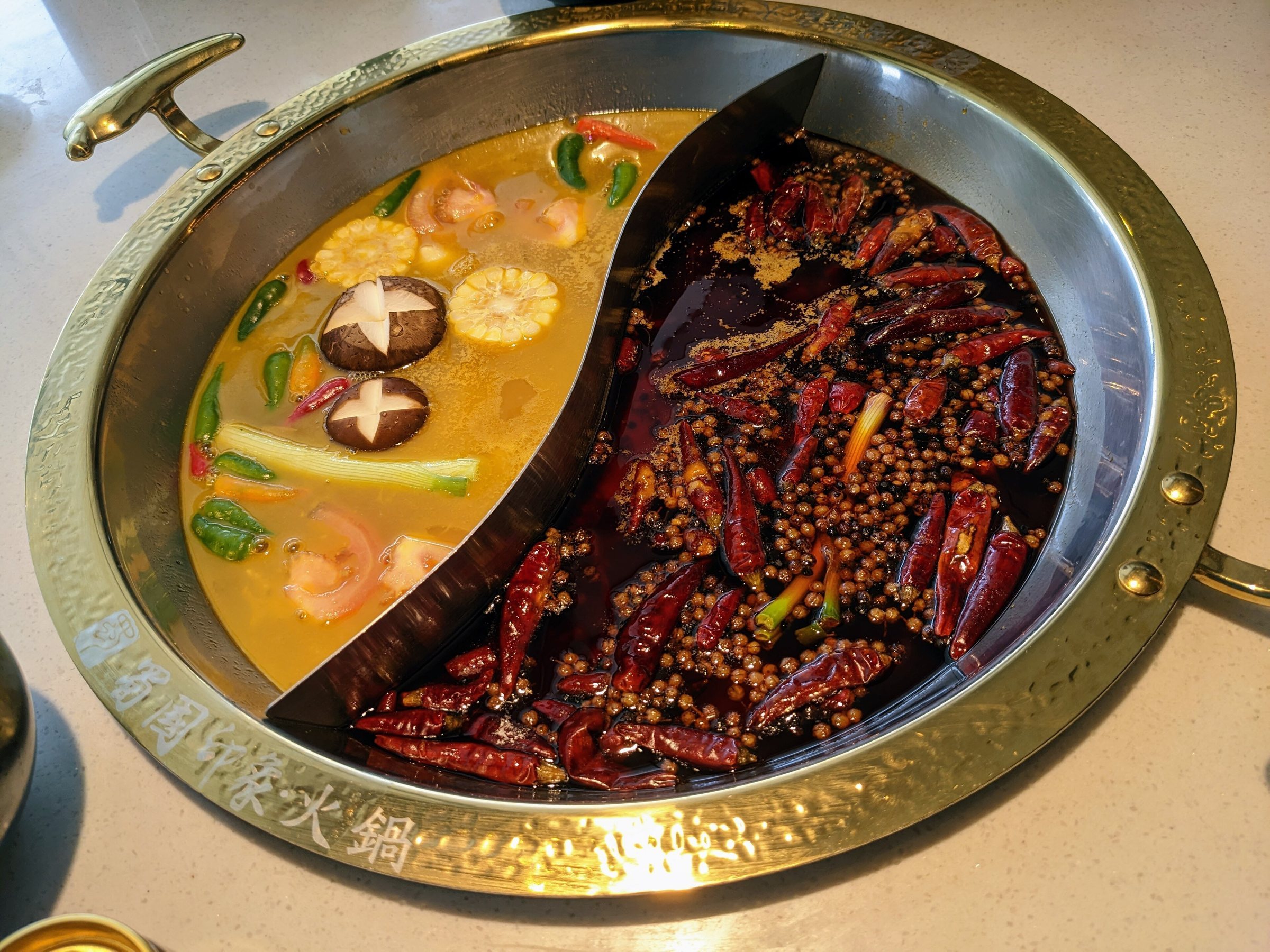
Sichuan cuisine is one of China's eight officially recognised great culinary traditions, and the one with the strongest global footprint. What makes it distinctive is not simply heat — many cuisines are hot — but a specific and complex flavour profile that Chinese cooking calls mala (麻辣): the combination of heat (from dried chillies) and numbness (from Sichuan peppercorns). The two components work on different neurological pathways and create a flavour experience that is genuinely unique.
The Science of Mala
Sichuan peppercorns (花椒, huājiāo) are not actually pepper at all — they are the dried husks of a small shrub in the citrus family. They contain hydroxy-alpha-sanshool, a compound that activates the same nerve fibres that respond to touch and vibration. The sensation on the tongue is a gentle tingling that slowly builds to a mild numbness — the "ma" (麻) component.
Dried red chillies — which came to China from the Americas via Portuguese traders in the 16th century — provide the heat ("la" component).
Together, they create the signature mala sensation: your mouth is simultaneously hot, numb, and tasting complex layers of flavour underneath. The numbness from the peppercorn actually mediates the heat from the chilli, allowing you to eat spicier food than you could without it. This is why Sichuan food is frequently described as "addictively spicy" by people who do not normally eat spicy food.
The Dishes You Must Eat
Mapo tofu (麻婆豆腐): Silken tofu in a sauce of doubanjiang (fermented broad bean and chilli paste), minced pork, Sichuan peppercorns, and broth. The original version is both spicier and more complex than most overseas versions. Order it at a restaurant that makes its own doubanjiang.
Kung pao chicken (宫保鸡丁): Diced chicken, dried chillies, and roasted peanuts in a sauce balancing sweetness, sourness, heat, and the specific fragrance of the chillies. The version served in Chengdu has nothing to do with the Westernised version you know.
Dan dan noodles (担担面): Thin wheat noodles topped with minced pork, preserved vegetables, sesame paste, chilli oil, and Sichuan peppercorn. Originally a street food sold from shoulder poles — "dan dan" refers to the carrying pole. The best versions in Chengdu are still prepared in small restaurants where the noodles are pulled to order.
Boiled fish in chilli broth (水煮鱼): Fillets of white fish poached in a broth with doubanjiang, dried chillies, Sichuan peppercorns, and garlic. The fish is tender; the broth is aggressively spiced; the combination is outstanding.
Rabbit heads (兔头): A Chengdu street food speciality with devoted local fans. Spiced rabbit heads, split and eaten with considerable technique. Worth trying once, even if you conclude that extracting rabbit brain from a skull is more effort than reward.
Chengdu's Teahouse Culture
Sichuan food culture is inseparable from teahouse culture. Chengdu has more teahouses per capita than any other Chinese city, and the teahouse (茶馆) serves a function closer to the British pub or the Viennese coffeehouse than to a Western tea room: a place for extended social sitting, gossip, card games, and the slow passage of an afternoon.
The traditional teahouses in Renmin Park and in the old districts around the Kuanzhai Alleyways (宽窄巷子) serve Sichuan-style gaiwan tea — a lidded bowl of jasmine, chrysanthemum, or green tea, refilled from a long-spouted bronze kettle by a professional tea-pourer with remarkable skill.
The Sichuan Opera evening performance — the highlight of which is bianlian (face-changing), where performers switch elaborate painted masks in less than a second — is best preceded by two hours in a teahouse watching the preparations and the audience arrive.
Where to Eat
Longchaoshou (龙抄手) near People's Park is the most famous dumplings in Chengdu: wonton soup with a pork-and-mushroom filling in a clear, peppercorn-perfumed broth. Queue for it.
Yu's Family Kitchen (喻家厨房) requires a reservation weeks in advance but represents the most sophisticated end of Chengdu home cooking — a private residence that serves three generations of family recipes to eight diners at a time.
Jinli Night Market adjacent to the Wuhou Shrine is the best place to graze through multiple street foods in one evening: skewers, rabbit, cold dishes, dumplings, icy sweet rice wine.
Explore Chengdu's food culture on our Chengdu tours — every itinerary includes an evening at the Sichuan Opera and a hot pot dinner on the last night.