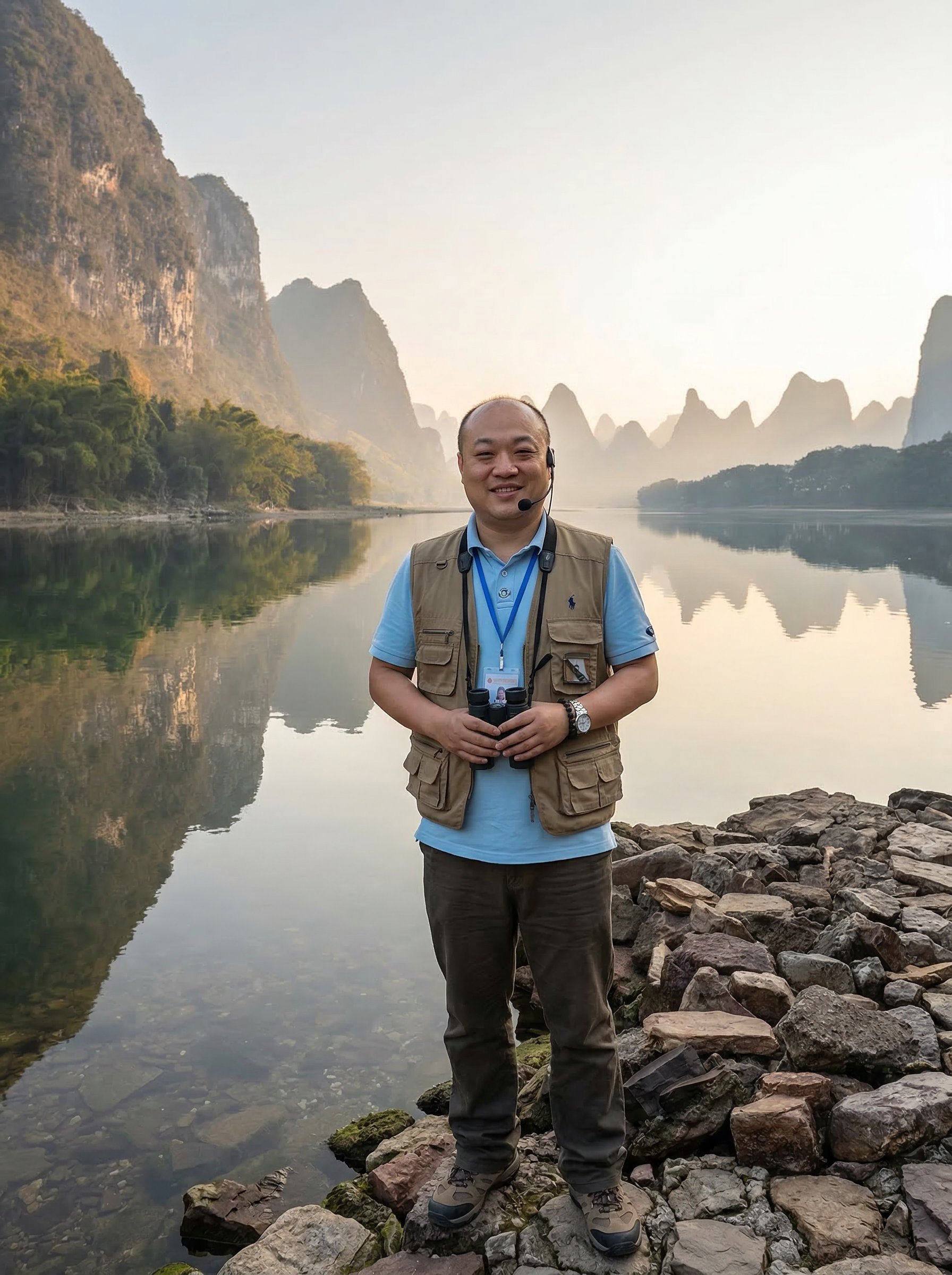
I'm Baker Gu — the panda base is worth your morning, but Chengdu has a full week of things that most visitors never reach. Here's what I include when I have three days in the city.
I'm Baker Gu, CTS's China travel specialist. Every client who asks me about Chengdu starts the same way: "Is it just the pandas?" I always give the same answer: the pandas are one morning. The city is several days. Here is what I include when I have three or more nights in Chengdu.
Morning 1: The Panda Base (Non-Negotiable)
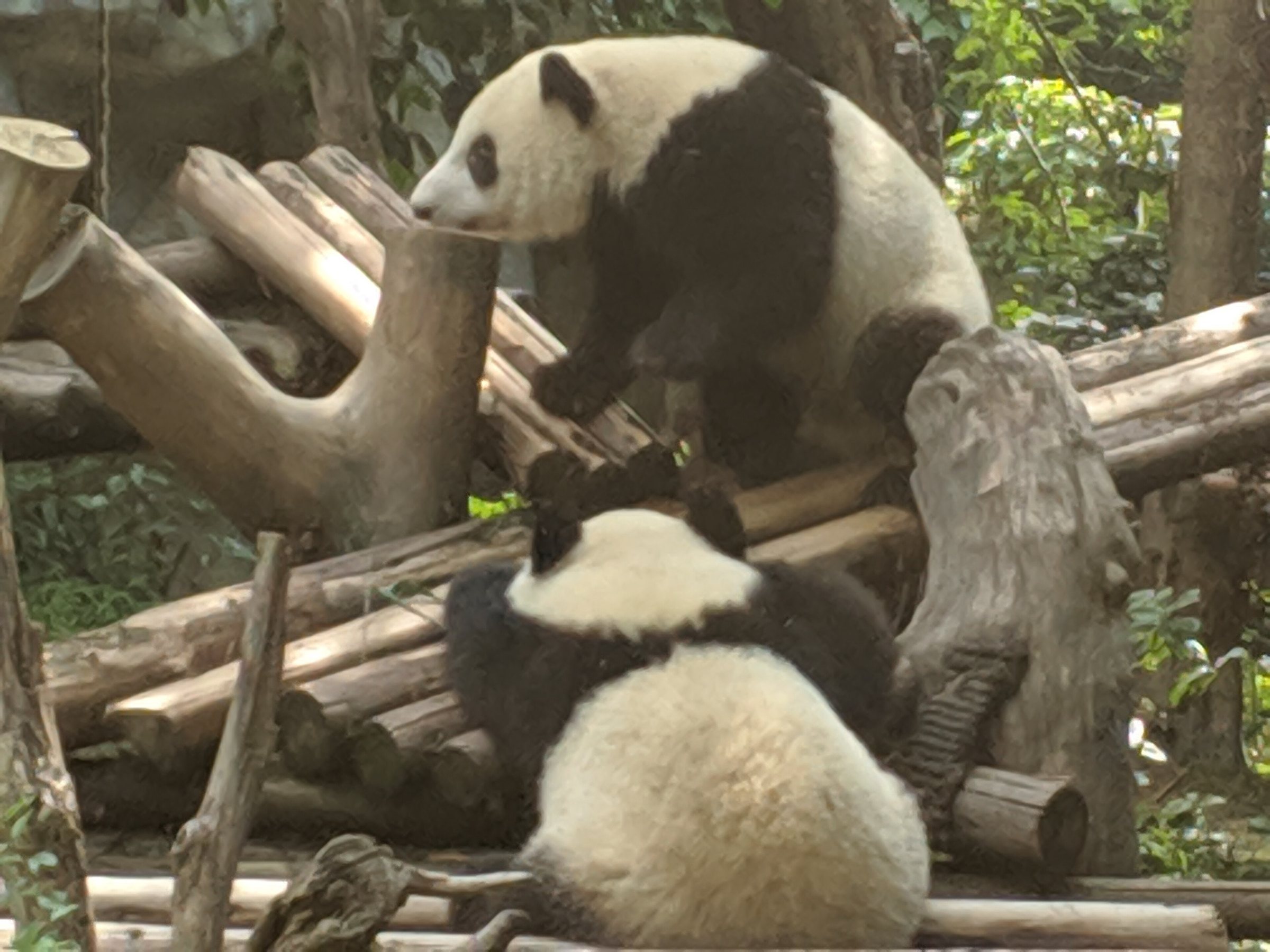
I won't pretend the Chengdu Panda Sanctuary isn't the reason most visitors put Chengdu on their list. It is, and it deserves to be. The Giant Panda Breeding Research Base houses approximately 150 giant pandas — 70% of the world's captive population — in naturalistic habitats across 666 hectares of bamboo forest.
The rule I give everyone: arrive at opening time, 7:30am. Giant pandas are most active before 10am. By noon they're asleep and won't move again until late afternoon. The difference between an 8am visit and an 11am visit is the difference between watching pandas eat, climb, and wrestle bamboo, versus watching them sleep in the exact position you found them.
The red pandas — a separate species, more raccoon than bear — are in the same facility. Most visitors call them the surprise highlight.
People's Park and the Teahouse Ritual
People's Park (人民公园, Rénmín Gōngyuán) is the single best place to understand why Chengdu is consistently ranked China's most liveable city. By 9am, the park's teahouse section is full — local residents, mostly retired, sitting in bamboo chairs with cups of jasmine tea that get refilled all day by circulating attendants.
There is no agenda here. People are playing mahjong, getting ear-cleaning (a traditional Chengdu service — a practitioner with a long thin tool, offered openly in the park), reading newspapers, and having slow conversations. It's genuinely relaxing to sit in. Take an hour.
The Heming Teahouse (鹤鸣茶社), inside the park, is the classic choice. Order a pot of jasmine and stay as long as you want. Cost is minimal.
Wenshu Temple
Wenshu Temple (文殊院, Wénshū Yuàn) is a functioning Tang Dynasty Buddhist monastery with approximately 100 monks in residence. The complex is a sequence of courtyards, prayer halls, and gardens, culminating in a vegetarian restaurant that is among the best-value meals on the Chengdu itinerary.
Morning is best — prayer ceremonies fill the main halls before 9am, and the incense smoke is thickest then. The temple's vegetarian dim sum is available from 8:30am and is excellent: steamed buns, dumplings, and soup, all without meat, served in the courtyard.
Kuanzhai Xiangzi (Wide and Narrow Alleys)
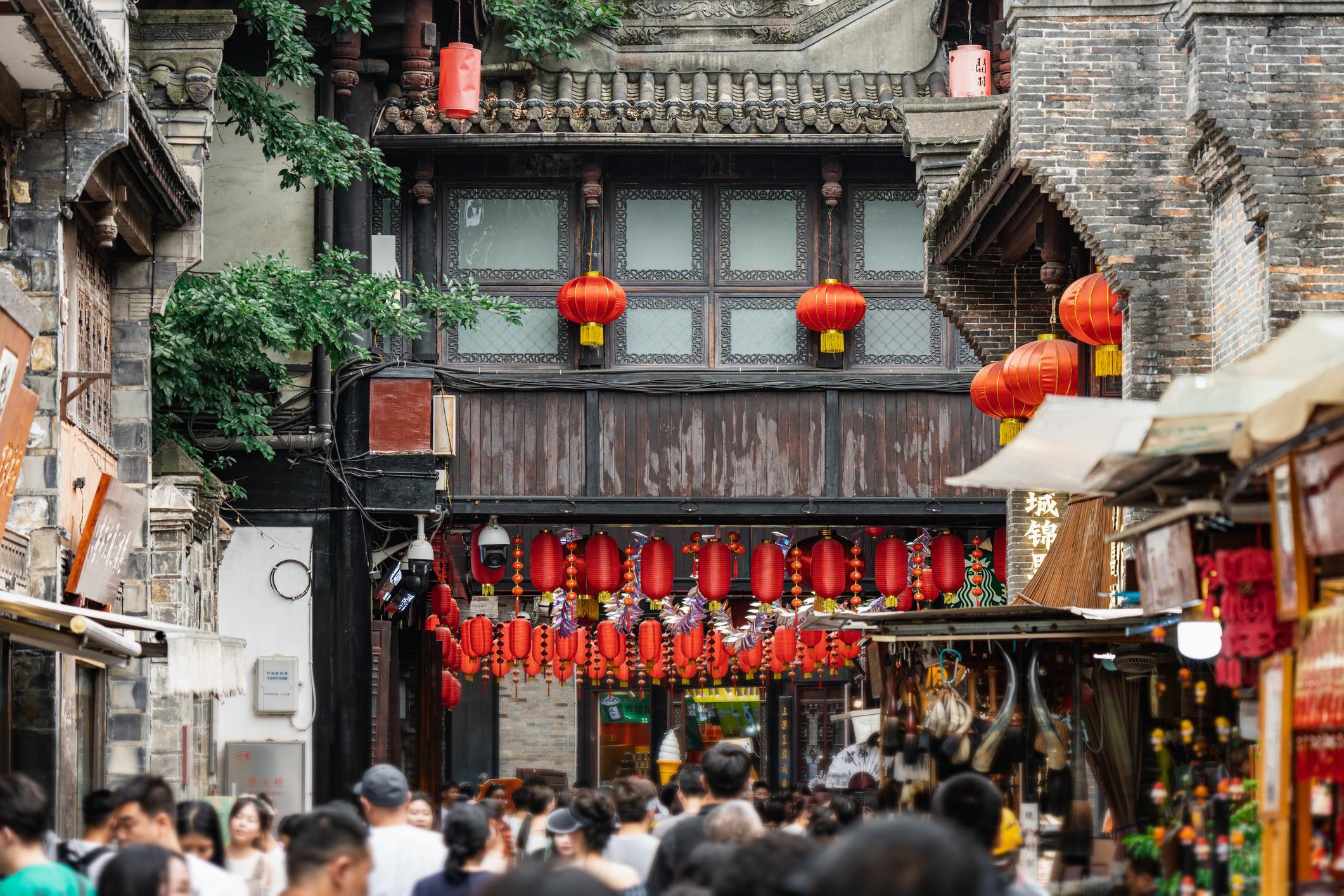
The Wide and Narrow Alleys (宽窄巷子, Kuānzhǎi Xiāngzi) are a restored Ming and Qing Dynasty neighbourhood: three parallel lanes of preserved courtyard architecture, now occupied by tea houses, craft shops, restaurants, and independent boutiques.
I know this kind of restored heritage street in China can feel artificial — and in some cities it does. Kuanzhai works better than most because the scale is right and the activity is genuine: local families use the lanes as a park, not just tourists. The evening atmosphere, when the lanterns are lit and the restaurants fill up, is worth lingering over.
Sichuan Opera: Face-Changing Performance
The face-changing technique (变脸, biànliǎn) involves masks that switch in fractions of a second — the mechanics are a state-protected trade secret and you will not catch the mechanism even on video. I include an evening performance on all Chengdu itineraries, usually at Shufengyayun Sichuan Opera House.
The show includes fire-breathing, shadow puppetry, and clapper opera before the face-changing sequences. The face-changing is the finale and it genuinely gets a reaction every time. Children love it. Adults claim they're going to figure out how it works and never do.
Leshan Giant Buddha (Day Trip)
The Leshan Giant Buddha is 120km from Chengdu — 35 minutes by high-speed rail. If you have three nights in Chengdu, one of them anchors a Leshan day trip. The Buddha is 71 metres tall, carved into a cliff face at a river confluence, built over 90 years in the 8th century. The stair descent to foot level is the most memorable physical experience of the Chengdu segment of any itinerary I build.
Three Days in Chengdu: How I Structure It
- Day 1 morning: Panda Base (arrive 7:30am, depart by noon)
- Day 1 afternoon/evening: People's Park teahouse, Wenshu Temple, Kuanzhai Xiangzi evening
- Day 2: Leshan Giant Buddha full day trip
- Day 3: Sichuan Opera evening, free morning for Jinli Ancient Street or independent exploration
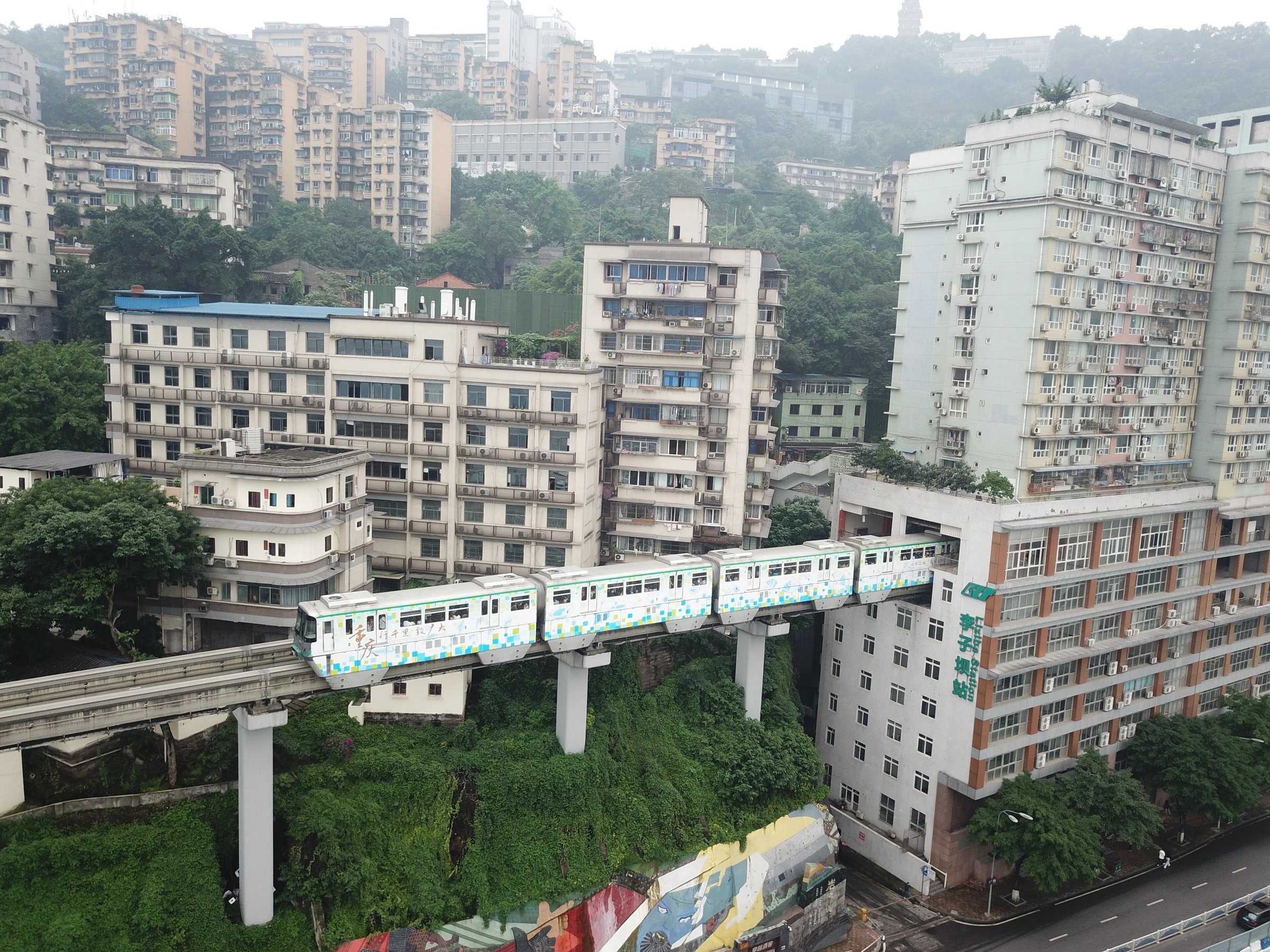
This is the structure I use for the Chengdu segment of the Fire & Fuzz tour, which arrives from Chongqing by bullet train and allocates 3 nights before the return flight from Chengdu. The contrast between Chongqing's dramatic mountain city energy and Chengdu's teahouse pace is itself one of the pleasures of the combination.
View the full Fire & Fuzz tour →