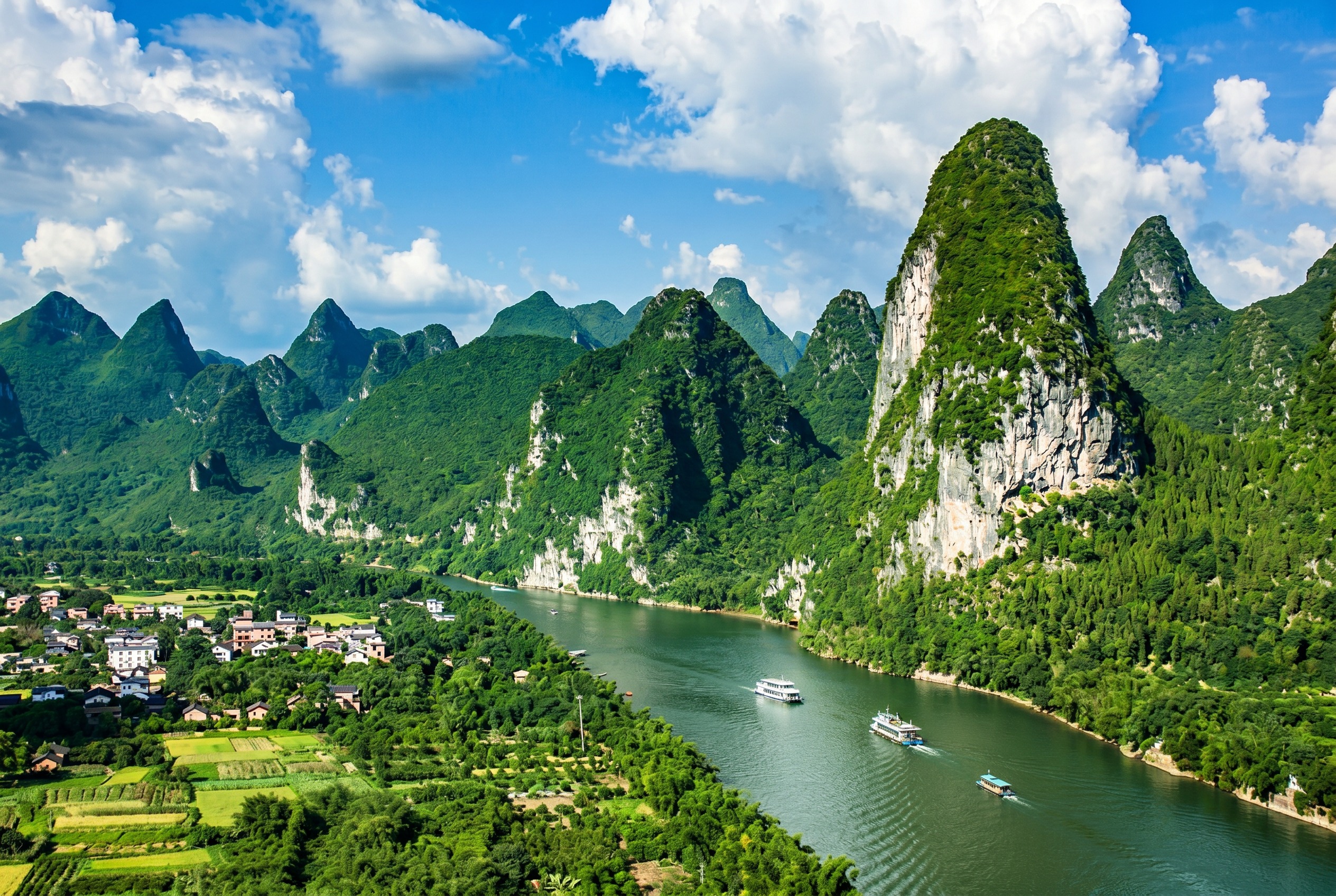
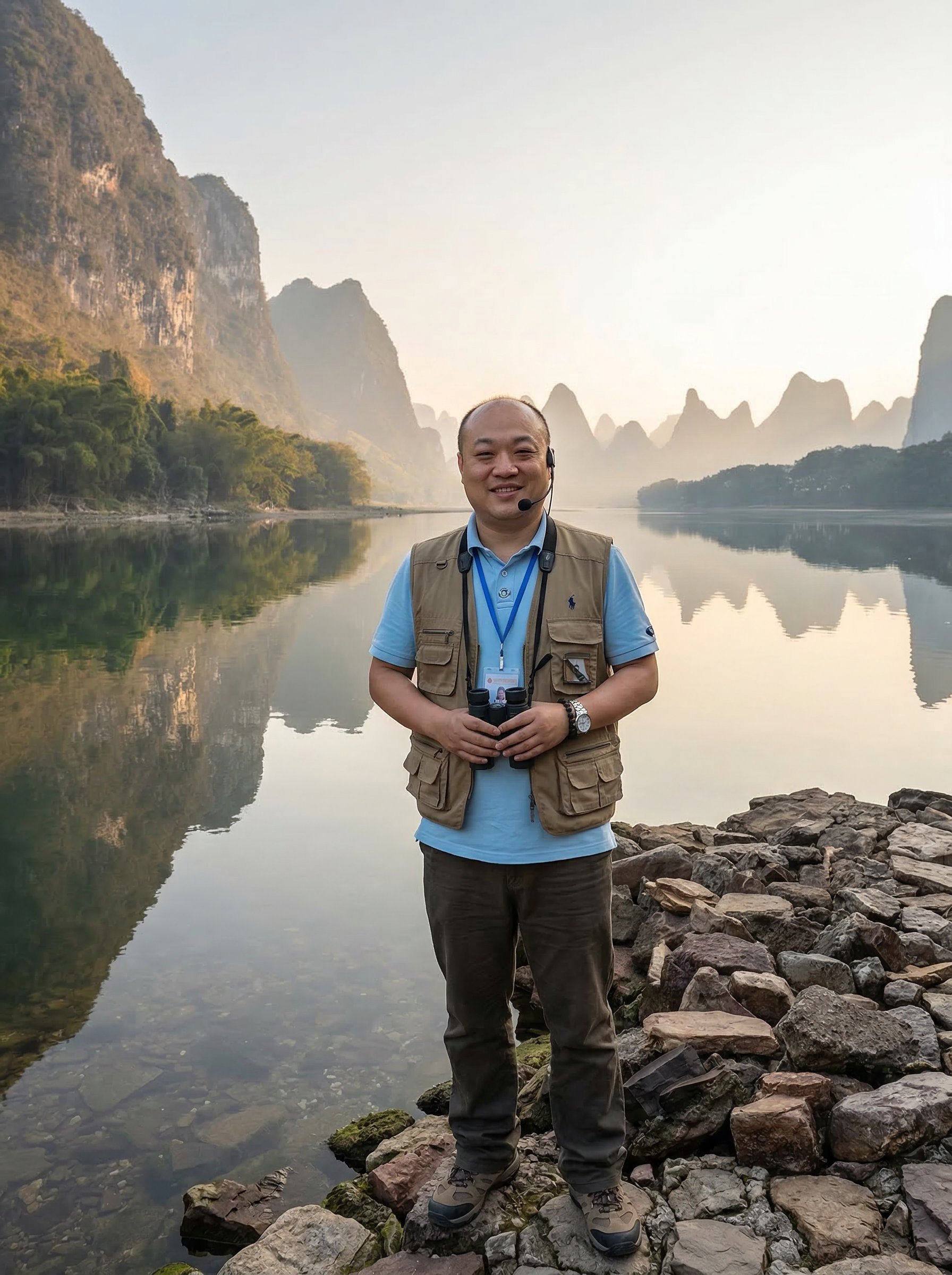
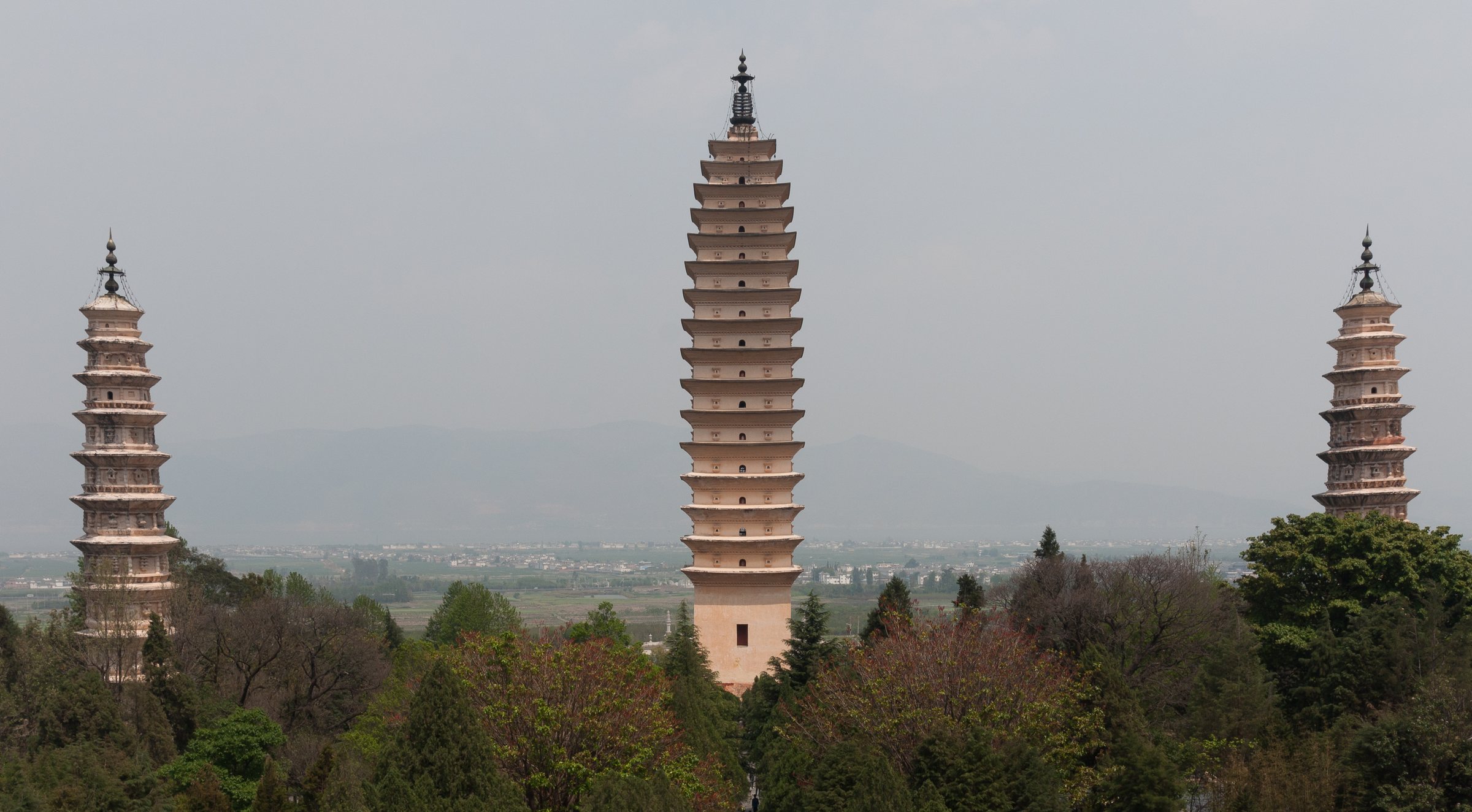
Chongqing is the departure point for Yangtze River cruises through the Three Gorges — but it's also a fascinating city in its own right. Baker Gu explains what makes this mountain metropolis worth two days before you board.
I'm Baker Gu, and Chongqing is the city I spend the most time explaining to New Zealand clients before their first visit. It is not on most people's China radar. It is not on the standard Beijing-Xi'an-Shanghai circuit. And yet it has a population larger than Australia's entire country, a topography unlike any other major city in China, and — via the Yangtze River — direct access to one of the world's great landscape experiences.
A City Built on Mountains
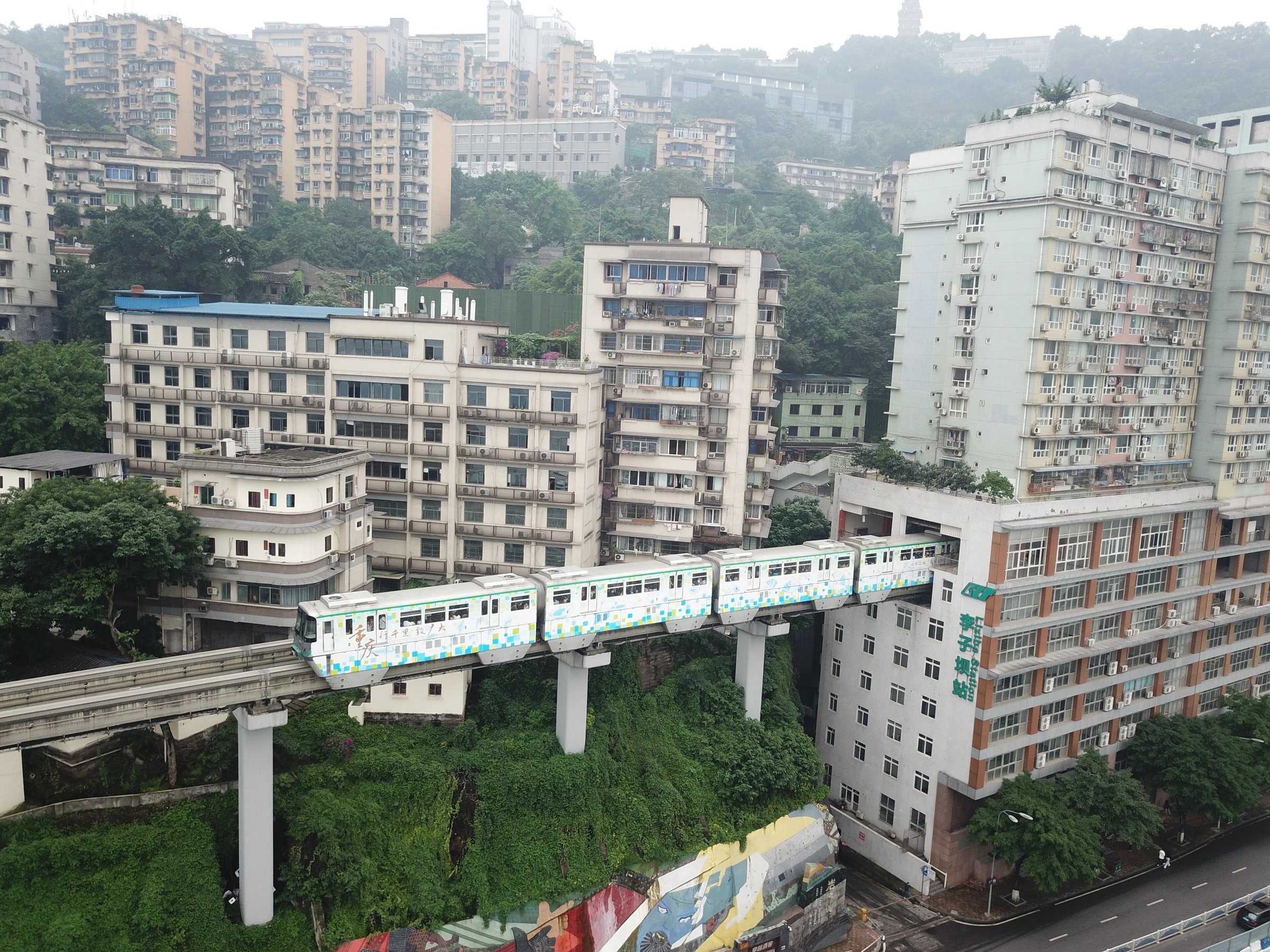
Chongqing (重庆) sits at the confluence of the Yangtze and Jialing rivers, on a peninsula of steep hills. Unlike Beijing's flat grid or Shanghai's flat delta, Chongqing has no flat ground to speak of. The city climbs up and down the hillsides in ways that defeat standard urban navigation logic. Escalators have been built into the hillside streets. Monorail lines pass directly through the middle of residential tower blocks. Bridges of extraordinary engineering span the river gorges.
The city grew during the Second World War as China's wartime capital — the Nationalist government relocated here after the Japanese advance, and Chongqing survived sustained bombing for six years. What you see today is mostly post-war construction, but the DNA of the city — dense, vertical, built around the rivers — is ancient.
Chongqing Before the Cruise
Most travellers who visit Chongqing do so because the Yangtze River cruise to Yichang begins here. This creates a tendency to treat Chongqing as a transit stop — a night before the boat.
I recommend two nights. The city repays exploration.
Hongyadong is the most dramatic of Chongqing's architectural curiosities: an 11-storey stilt-house complex built down the cliff face of the Jialing River, containing restaurants, shops, and viewing terraces. The view at night — the city lights on the water, the bridges, the stacked buildings — is genuinely impressive.
Ciqikou Ancient Town is a Ming Dynasty riverside neighbourhood that survived the city's redevelopment: narrow stone streets, traditional Chongqing architecture, tea houses, and street food. The flatbread ovens, the doubanjiang stalls, the silk embroidery workshops — this is the texture of old Chongqing.
The Stilwell Museum commemorates General Joseph Stilwell, the American commander who coordinated Allied support for Chongqing during the Second World War. The exhibits are well-curated and provide essential context for the city's wartime significance.
The Three Gorges: What the Cruise Shows You
The cruise from Chongqing passes through three gorges in sequence over two to three days.
Qutang Gorge is the shortest (8km) and most dramatic: sheer walls, narrow channel, the river compressed to 100 metres in places. The scale of the cliff faces — several hundred metres of vertical limestone — is most immediately impressive here.
Wu Gorge (44km) is the most atmospheric: deep, winding, cloud-covered. The peaks are named after a mythological creation — the 12 Goddess Peaks, named in a Tang Dynasty poem by Su Dongpo. The light changes constantly, filtered through cloud that rarely fully lifts.
Xiling Gorge (76km) is the longest and was historically the most dangerous for navigation, with rocks and rapids that sank boats for millennia. The Three Gorges Dam sits at the eastern end of Xiling. Passing through the dam's five-step lock system — a process that takes several hours — gives you the engineering at its most immediate scale.
The Dazu Rock Carvings
Before or after Chongqing, the Dazu Rock Carvings (大足石刻) are worth a half-day. A UNESCO World Heritage Site since 1999, Dazu contains over 50,000 Buddhist, Daoist, and Confucian carvings cut into cliffsides between the 7th and 13th centuries. The Baoding Mountain section (the largest) contains a 31-metre reclining Buddha and a series of multi-figure compositions of extraordinary sophistication. It is 90 minutes from Chongqing by high-speed rail.
Practical Details
- Cruise departures: Most cruises depart in the evening from the Chaotianmen cruise terminal near the confluence of the two rivers
- Recommended time in Chongqing: 2 nights pre-cruise or 1 night on arrival (the city is also a common end-point for the downstream cruise)
- Hot pot: Eat Chongqing hot pot on your first evening — the original, numbingly spicy version, not the Sichuan-lite version you get in other cities
Our Yangtze cruises depart from Chongqing. Contact us to discuss adding this to your China itinerary.