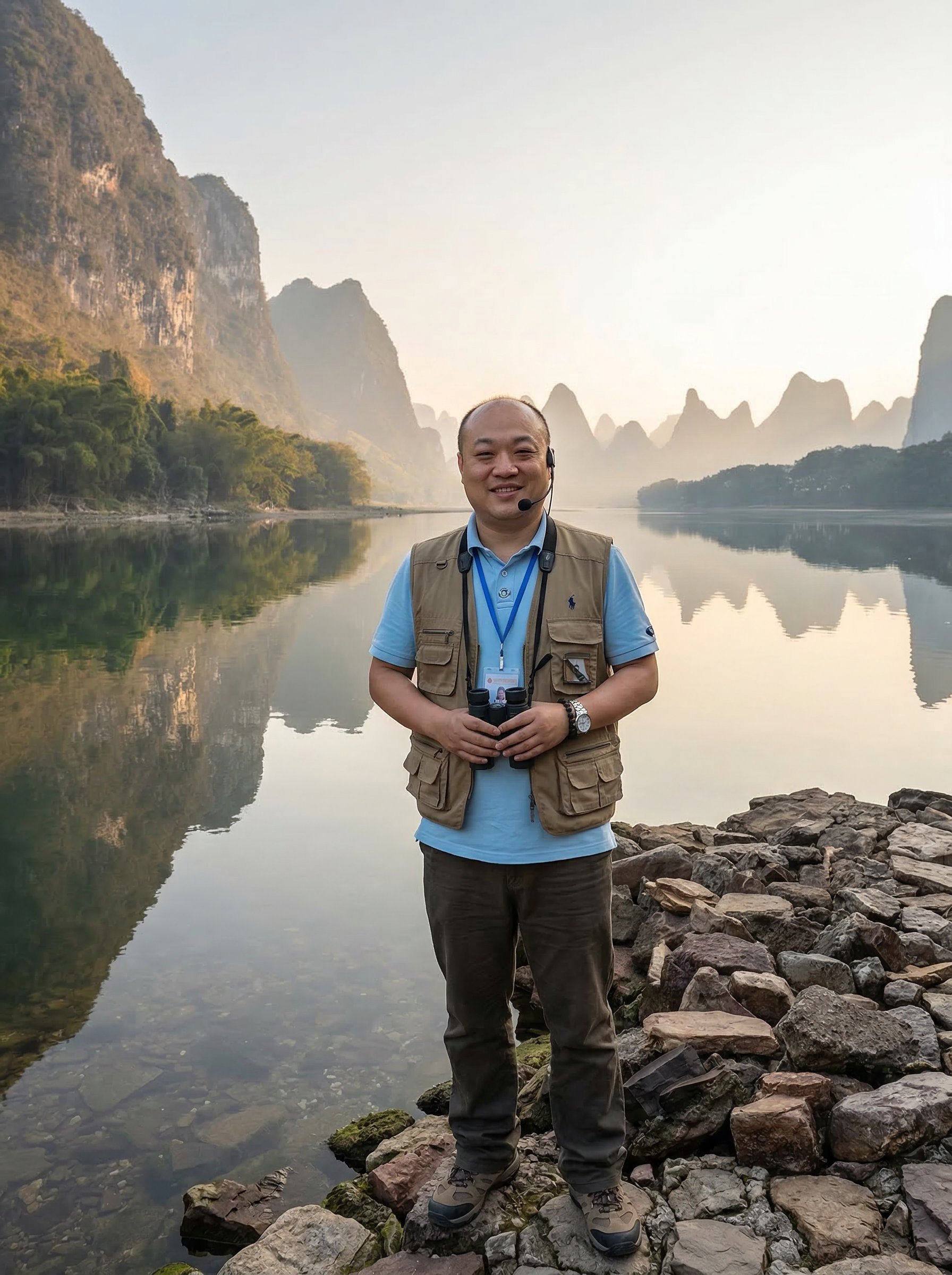
West Lake has been the subject of Chinese poetry for 1,000 years. Baker Gu explains why Hangzhou still deserves its UNESCO listing, the best ways to experience the lake, and what to do beyond the water.
I'm Baker Gu, and Hangzhou's West Lake is one of those landscapes that has been written about so often, in so many centuries of Chinese poetry, that arriving there feels like meeting someone you already know. The relationship between Hangzhou and the Chinese cultural imagination is deep — Su Dongpo, the great Song Dynasty poet, served as governor here and wrote about the lake so memorably that his images have been embedded in Chinese culture for 950 years.
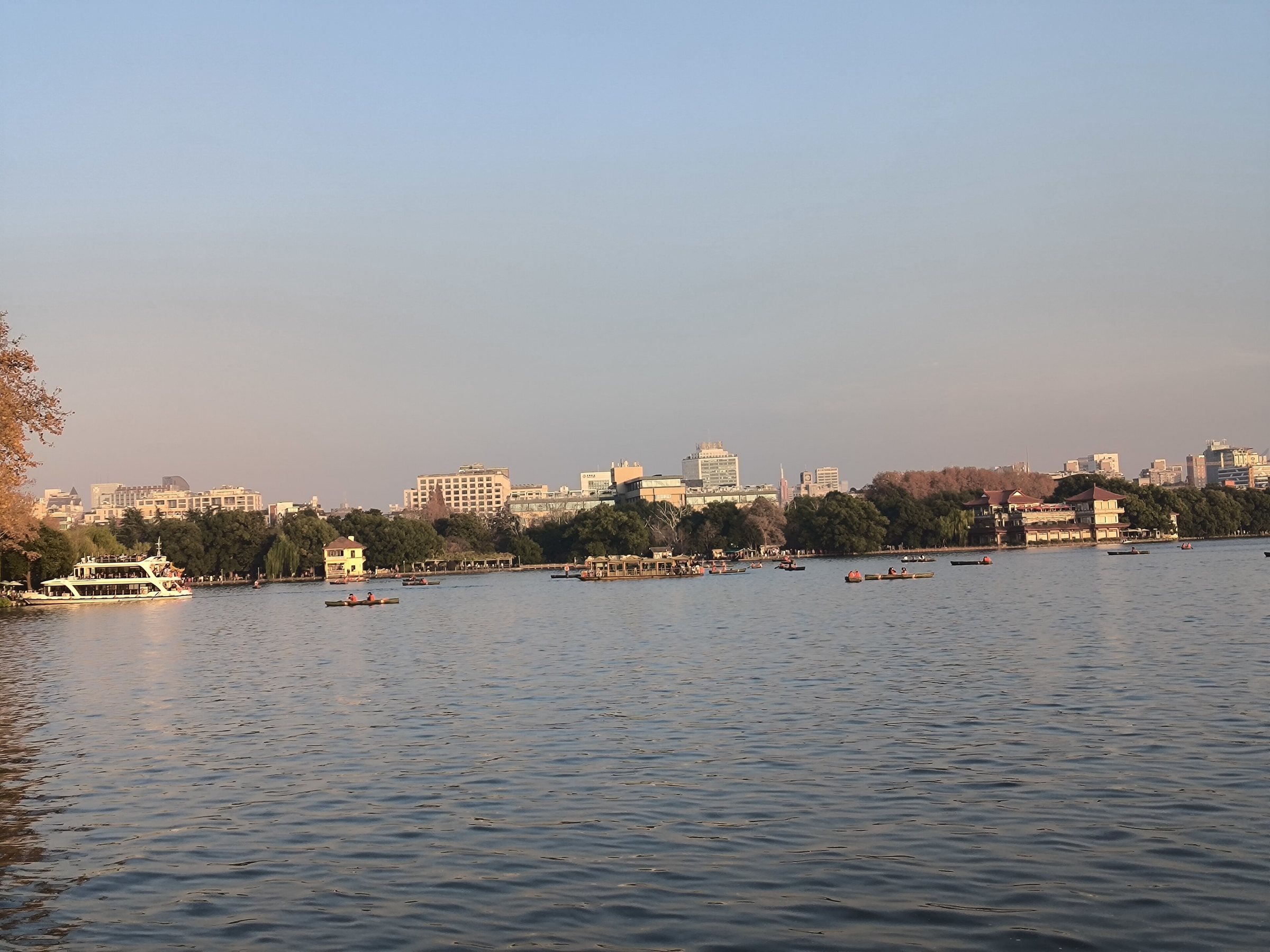
UNESCO listed West Lake in 2011 as a Cultural Landscape. That designation captures something important: the lake is not a natural wilderness preserved intact, but a landscape that has been shaped, managed, and aestheticised by human activity over ten centuries. The causeways, islands, gardens, and temples that structure the view are as much part of the lake as the water itself.
The Lake and Its Structure
West Lake is about 6.5 square kilometres, surrounded by hills on three sides and the city on the fourth. Two causeways — the Su Causeway (named after Su Dongpo) and the Bai Causeway (named after an earlier Tang Dynasty poet-governor, Bai Juyi) — cross the lake and divide it into sections. Three islands rise from the water.
The essential experience of West Lake involves these causeways. Walking or cycling the Su Causeway (2.8km) in the early morning, before the crowds arrive, with the willow trees trailing into the still water and mist still sitting on the hills, is one of the genuinely lovely experiences that China offers.
How to Experience the Lake
By boat: Small wooden boats with a single rower are available for hire at various points around the lake. A 30-minute tour of the central lake area costs CNY 45 per person. This gives you the view from the water — the pagodas framed against the hills, the lotus fields in summer, the reflections that the photographers spend so much effort chasing.
By bicycle: Bikes are available for hire at the parking lots near the major causeways. A circuit of the full lake perimeter is about 15km and takes 2–3 hours at a comfortable pace. This is the most satisfying way to see the lake, allowing you to stop at will.
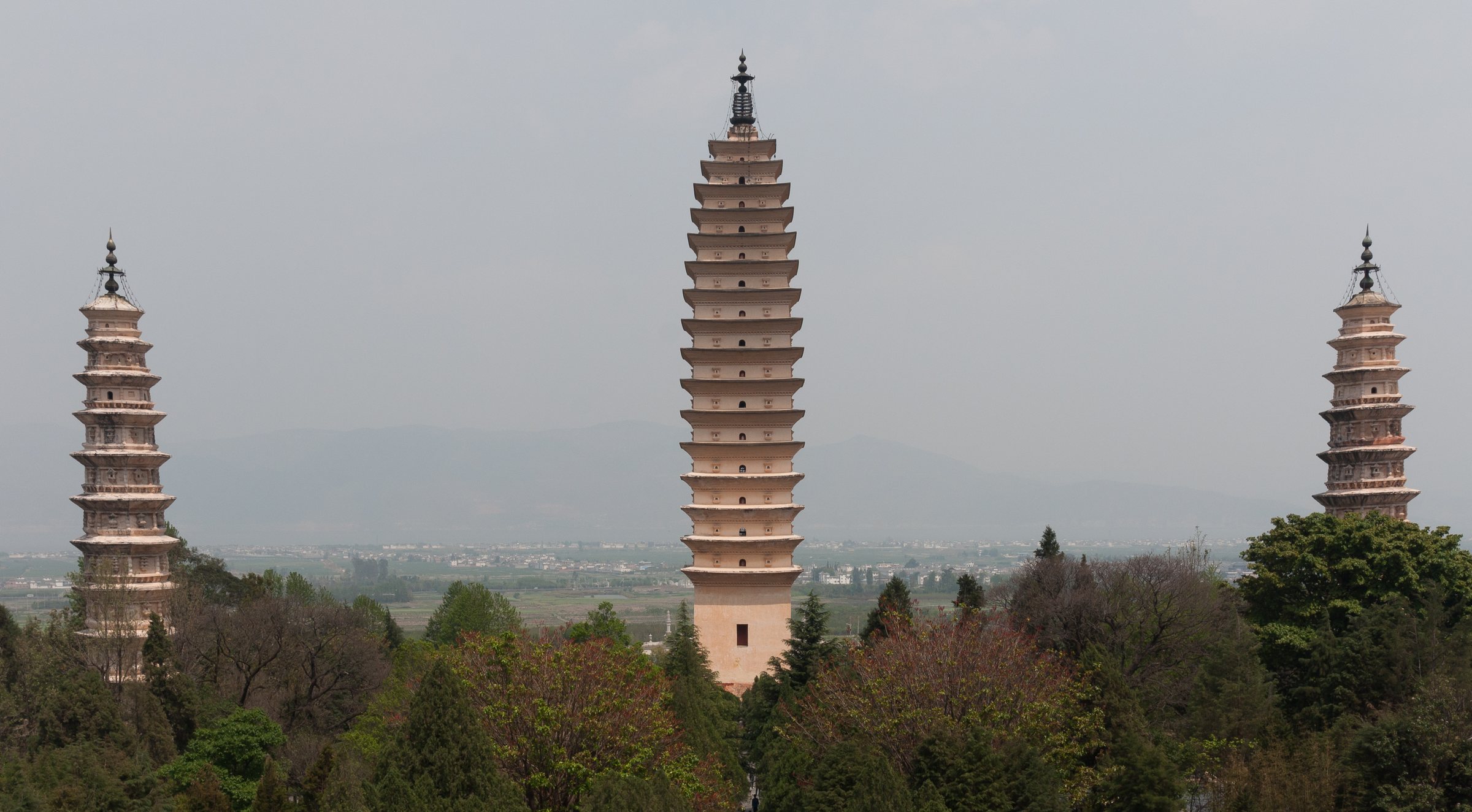
By electric boat: Larger tourist boats do loops of the lake with stops at Xiaoyingzhou Island (the island-within-an-island) and the Three Pools Mirroring the Moon — three stone pagodas that create a reflection effect at the mid-autumn moon festival. These boats run on a schedule; times are posted at the departure points.
On foot: The northern shore lakefront promenade, between the two causeway starts, is a pleasant 3km walk with good views toward the hills.
Beyond the Lake
The hills surrounding the lake contain temples, Buddhist statuary, tea plantations, and pagodas worth half a day of exploration.
Lingyin Temple is one of China's most important Buddhist temples, operating continuously since 326 AD. The main hall houses a 24.8-metre wooden sculpture of the Seated Sakyamuni — one of the largest in China. The pathway to the temple passes through a ravine (Feilai Feng) where Song and Yuan Dynasty Buddhist carvings have been cut directly into the limestone.
Longjing Village is the source of Longjing (Dragon Well) tea — the most famous of Chinese green teas. The village sits among terraced tea fields on the hills west of the lake. In April during harvest season, you can watch the leaves being hand-plucked and processed, and taste the fresh-pressed tea at the farmers' houses. Outside harvest season, the fields are still beautiful and the tea is excellent.
Practical Information
- Getting there: High-speed rail from Shanghai Hongqiao to Hangzhou takes 45 minutes (CNY 35–53). Metro line 1 connects Hangzhou station to the lake area.
- Best time: Spring (March–April) for the tea harvest and early flowers; autumn (October) for cool temperatures and autumn colour. Avoid summer weekends when the lake is very crowded.
- Accommodation: Staying overnight is worth it — West Lake in the early morning before tour groups arrive is a different experience from the midday chaos.
We include Hangzhou on our Shanghai & Surroundings Discovery tour. For the full regional context, read our Hangzhou travel guide.