The Palace Museum holds 980 buildings and 1.8 million artefacts. Baker Gu shares the insider route, the sections most visitors miss, and how to see it without the crowds crushing the experience.
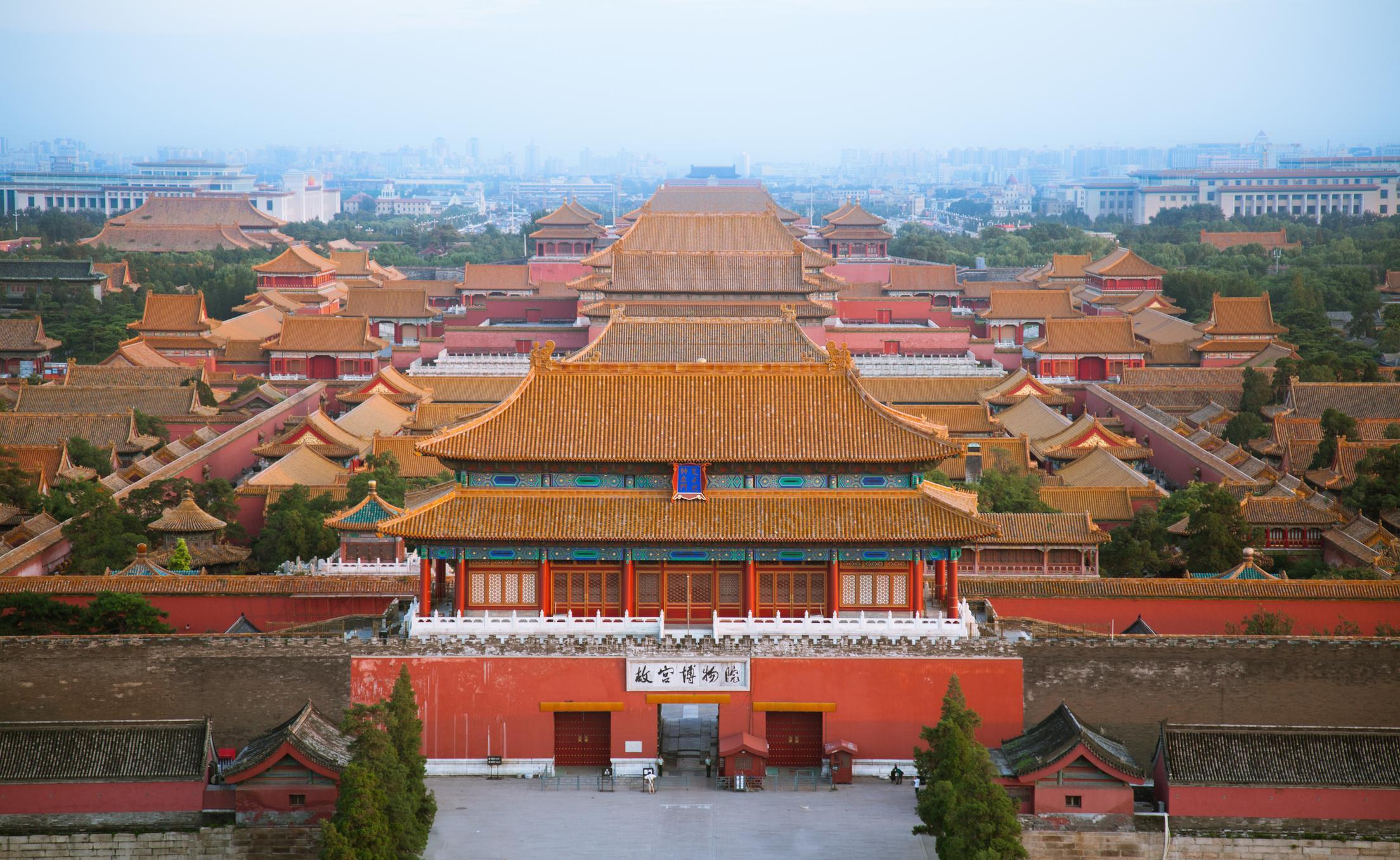
The Forbidden City — officially the Palace Museum — is one of the most visited sites on earth, and one of the easiest to do badly. Most visitors walk the central axis, take photos of the Hall of Supreme Harmony, and leave three hours later feeling vaguely overwhelmed without understanding what they saw.
I'm Baker Gu, and after hundreds of visits guiding clients from New Zealand and beyond, here is the approach that actually works.
What You're Looking At
The complex covers 72 hectares and contains 980 surviving buildings. From 1420 to 1912, this was the centre of Chinese imperial power — the residence of 24 emperors across two dynasties, and a place that the general population was forbidden to enter on pain of death. The name is literal.
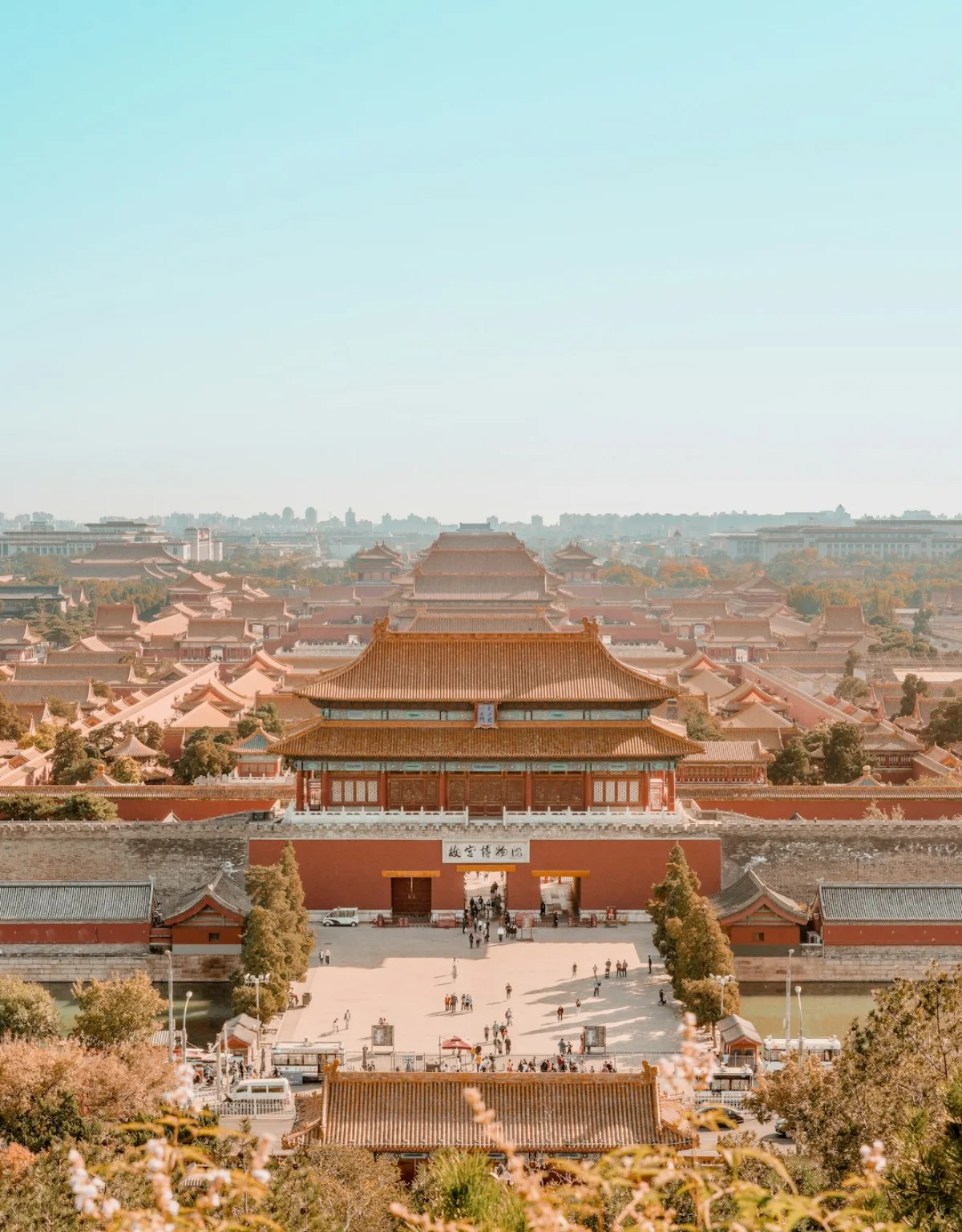
The buildings you see were largely rebuilt after fires during the Qing Dynasty, though the layout follows the original Ming design. The central axis — Meridian Gate → Hall of Supreme Harmony → Hall of Middle Harmony → Hall of Preserving Harmony → Imperial Garden — is the formal processional route. Most visitors walk it, photograph the main halls, and leave.
The side sections are where the real detail is.
Book Your Tickets in Advance
The Forbidden City has a daily cap of 80,000 visitors (reduced from the pre-pandemic 100,000) and tickets must be booked online at least one day in advance. Walk-up tickets are not available. Foreign travellers can book through the official Palace Museum website with a passport number.
On our tours, we handle all bookings and pre-purchase timed entry for the sections that require separate reservations (the Ningshou Palace area, the Clock and Watch Exhibition).
The Route Most Visitors Miss
The western section — the Six Western Palaces — is where the imperial concubines lived. It is quieter than the central axis, architecturally intact, and contains details that tell you more about life inside the Forbidden City than the grand processional halls ever can. The small courtyard gardens, the intimate scale of the living quarters, the exhibition of daily life objects — these sections humanise a place that can otherwise feel purely ceremonial.
The Treasure Gallery in the northeast corner holds the imperial collection of gold, jade, and ceremonial objects. The Clock and Watch Gallery (Fengxian Palace) is extraordinary — a room of European clocks brought to China by Jesuit missionaries in the 17th and 18th centuries, some of which still function and are demonstrated at specific times. Check the schedule when you arrive.
Timing and Crowds
The Forbidden City opens at 8:30am. Arrive at 8:15. The first hour is manageable; by 10am, the central axis is densely crowded.
If your schedule allows, enter from the Shenwu Gate (north) after visiting the Imperial Garden. This reverses the standard route and puts you moving against the majority of the visitor flow, which is thinner.
Avoid weekends and Chinese public holidays entirely. The experience during Golden Week (October 1–7) is genuinely unpleasant regardless of when you arrive.
What to Focus On
The Hall of Supreme Harmony is the largest wooden building in China and worth slowing down for. The golden throne inside is the actual Qing Dynasty throne. The roofline decorations — the animal figures descending from the ridge — number nine on this building, the imperial maximum.
The Imperial Garden at the north end of the complex is the antidote to the formal grandeur of the central axis. Ancient cypress trees, rockeries, pavilions, and a scale that encourages sitting rather than moving. Take time here.
The Meridian Gate on your way out — or in — is worth looking up at properly. The five arched gates correspond to rank: the emperor used the central gate, foreign dignitaries and the empress on her wedding day used the slightly smaller flanking gates, and officials used the outer gates.
Practical Details
- Opening hours: 8:30am–5pm (last entry 4:30pm); closes Mondays except public holidays
- Ticket price: CNY 60 (NZD 14) standard; additional CNY 10 for Treasury, CNY 10 for Clocks
- Time required: Minimum 3 hours; I recommend 4 hours for a thorough visit
- Audio guides: Available in English at the entrance; the official Palace Museum app (free) is excellent
- Wear comfortable shoes: The total walking distance is approximately 5–6km if you explore properly
Combining the Forbidden City with Tiananmen Square on the same morning, then the hutongs in the afternoon, is how we structure most first Beijing days. See our Beijing tours for full itineraries.