Suzhou's classical gardens are UNESCO World Heritage sites — miniature landscapes that took centuries to perfect. Here's how to visit without the crowds, which gardens to prioritise, and why they matter.
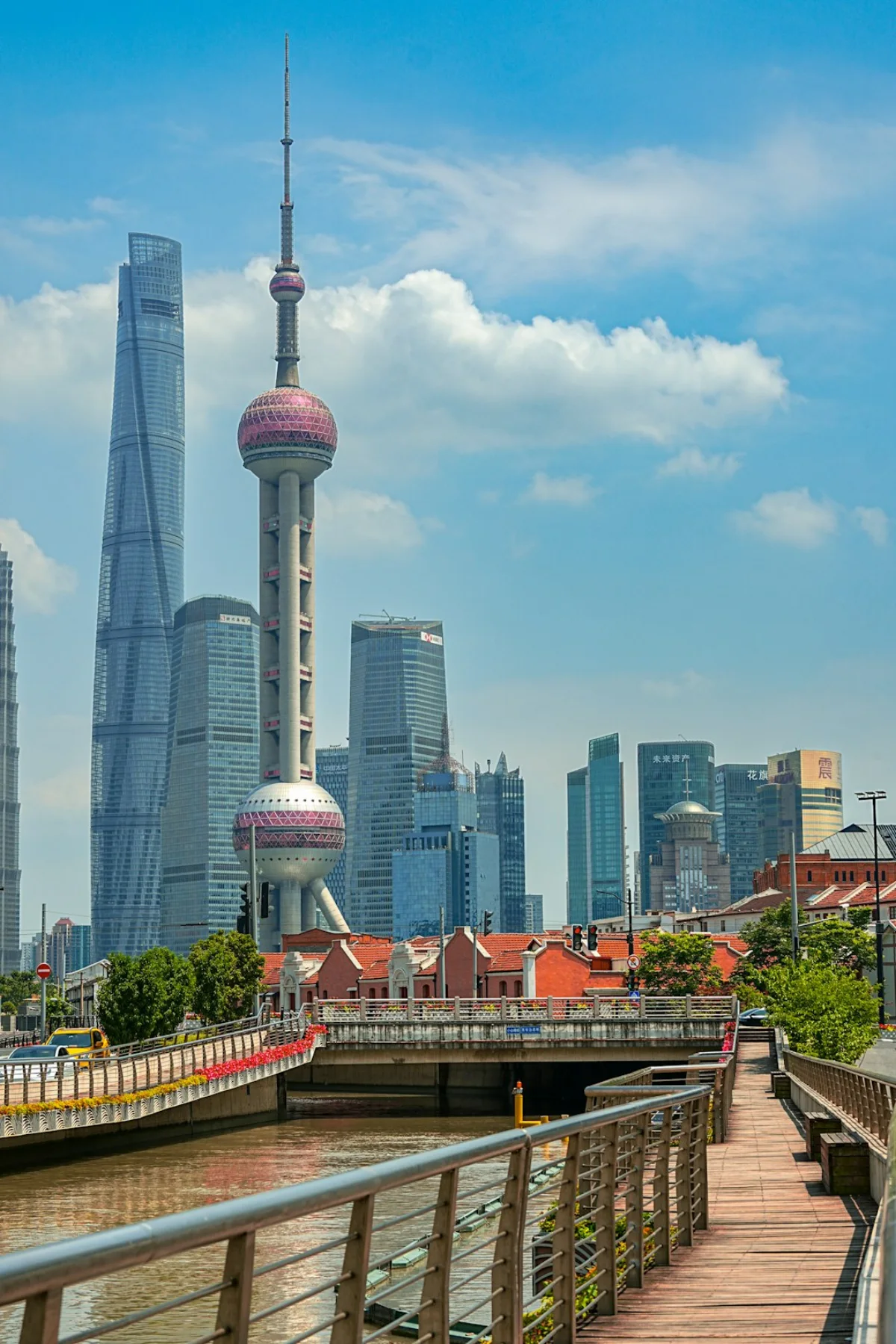
Suzhou, 30 minutes from Shanghai by high-speed rail, is one of China's oldest cities and the capital of classical garden design. The private gardens that the scholar-officials of the Song, Ming, and Qing dynasties built here — and that nine of them survive in sufficient condition to be listed as UNESCO World Heritage Sites — represent a tradition of landscape art that has no direct equivalent in Western culture.
Understanding what these gardens are for makes the difference between an interesting visit and a genuinely affecting one.
What the Gardens Are
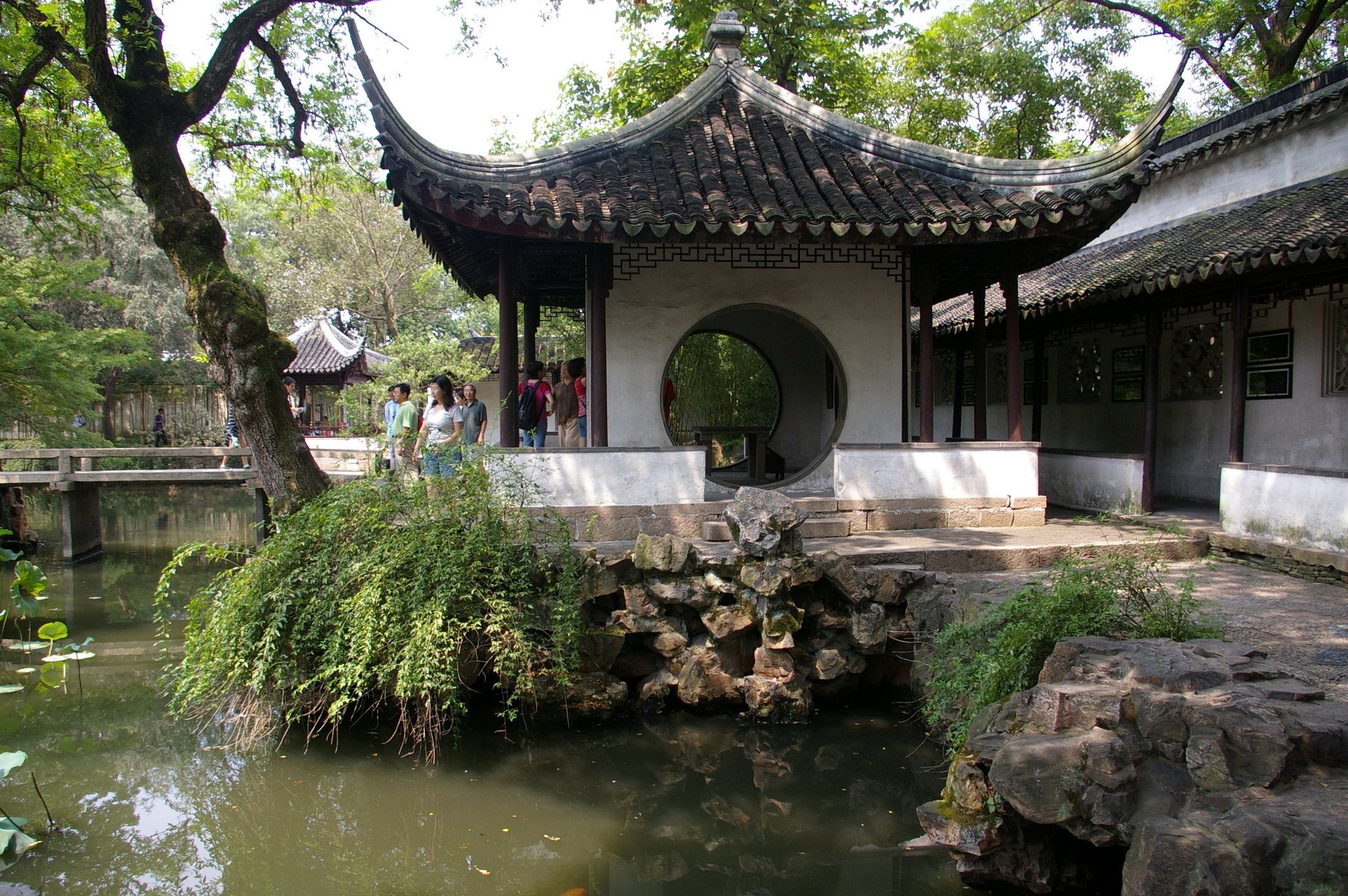
The classical Chinese garden is not a garden in the Western sense of cultivated plants in a formal or informal arrangement. It is a constructed landscape: a miniature world complete within its walls, containing mountains (represented by rockeries), water (ponds and channels), vegetation, architecture (pavilions, bridges, corridors), and empty space — all arranged to create the experience of being in a natural landscape while remaining within a city.
The gardens were built by scholar-officials — men who had succeeded in the imperial examination system and risen to positions of power, then (often) retired or been dismissed from office. In their gardens, they created a world they controlled completely: a landscape that embodied the Daoist and Confucian ideals of harmony, restraint, and the proper relationship between humanity and nature.
The garden was also a social and intellectual space. Scholars would gather in pavilions to compose poetry, paint, play music, and drink tea. The garden's elements — the rock formations, the lotus pond, the bamboo groves — were not passive scenery but subjects for contemplation and allusion.
Which Gardens to Visit
The Humble Administrator's Garden (拙政园, Zhuōzhèng Yuán) is the largest and most famous — 5.2 hectares, dating from 1513. It was built by a retired imperial inspector (the name is a self-deprecating reference to managing his garden as his official duty). The water areas are extensive, the pavilions well-spaced, and the internal views — framed by moon gates and corridor windows — are the classic Suzhou experience. Visit first, early.
The Lingering Garden (留园, Liú Yuán) is distinguished by its extraordinary rockery: a 6.5-metre scholar's rock that is the centrepiece of the central courtyard. The building complex is larger and more elaborate than the Administrator's Garden, with a remarkable suite of interconnected halls that demonstrate the relationship between architecture and garden in classical design.
The Master of the Nets Garden (网师园, Wǎngshī Yuán) is the most intimate — barely one-third of a hectare. Its scale allows you to understand the garden as a composition in a way that the larger gardens' size does not. The central pond, surrounded by pavilions at precise distances, is the most photographed view in Suzhou's gardens.
Practical Notes
Suzhou's garden crowds are genuinely problematic during Chinese public holidays and weekend peak hours (10am–2pm). If your schedule allows:
- Arrive at opening (8:30am) for the Humble Administrator's Garden
- Visit smaller gardens mid-afternoon when the tour groups are at lunch
- Consider a Monday or Tuesday visit (weekday crowds are significantly lighter)
The city of Suzhou itself is worth a half-day beyond the gardens: the old canal district (Pingjiang Road) is a preserved waterfront with traditional architecture, and the Silk Museum offers excellent exhibits on the industry that made Suzhou wealthy enough to build the gardens in the first place.
Day trip from Shanghai: High-speed rail from Shanghai Hongqiao or Shanghai Railway Station to Suzhou takes 25–35 minutes. Tickets cost CNY 26–41. Taxis from Suzhou station to the garden district take 10 minutes and cost CNY 15–20.
We include Suzhou on our Shanghai & Surroundings Discovery tour. Read our full Suzhou travel guide for more detail on the city.