West Lake is one of China's most celebrated landscapes — the subject of 1,000 years of poetry, painting, and pilgrimage. Here's what to see, when to go, and how to experience it properly.
West Lake (Xihu) is one of the most written-about places in Chinese history. For a thousand years, poets, painters, emperors, and ordinary travellers have come to Hangzhou specifically to look at it. It was inscribed as a UNESCO Cultural Landscape in 2011. Marco Polo visited in the 13th century and reportedly found no words adequate for the city it anchors.
That's a lot of expectation to meet. West Lake, to its credit, meets it.
What West Lake Is
The lake sits within and adjacent to Hangzhou's city centre — accessible on foot, bike, or boat. It covers approximately 6 square kilometres and is surrounded by hills on three sides, with the city spreading eastward from the fourth. Three causeways cross it (the Su Causeway and Bai Causeway are the most-walked), and three islands sit mid-lake, each with classical gardens and pavilions.
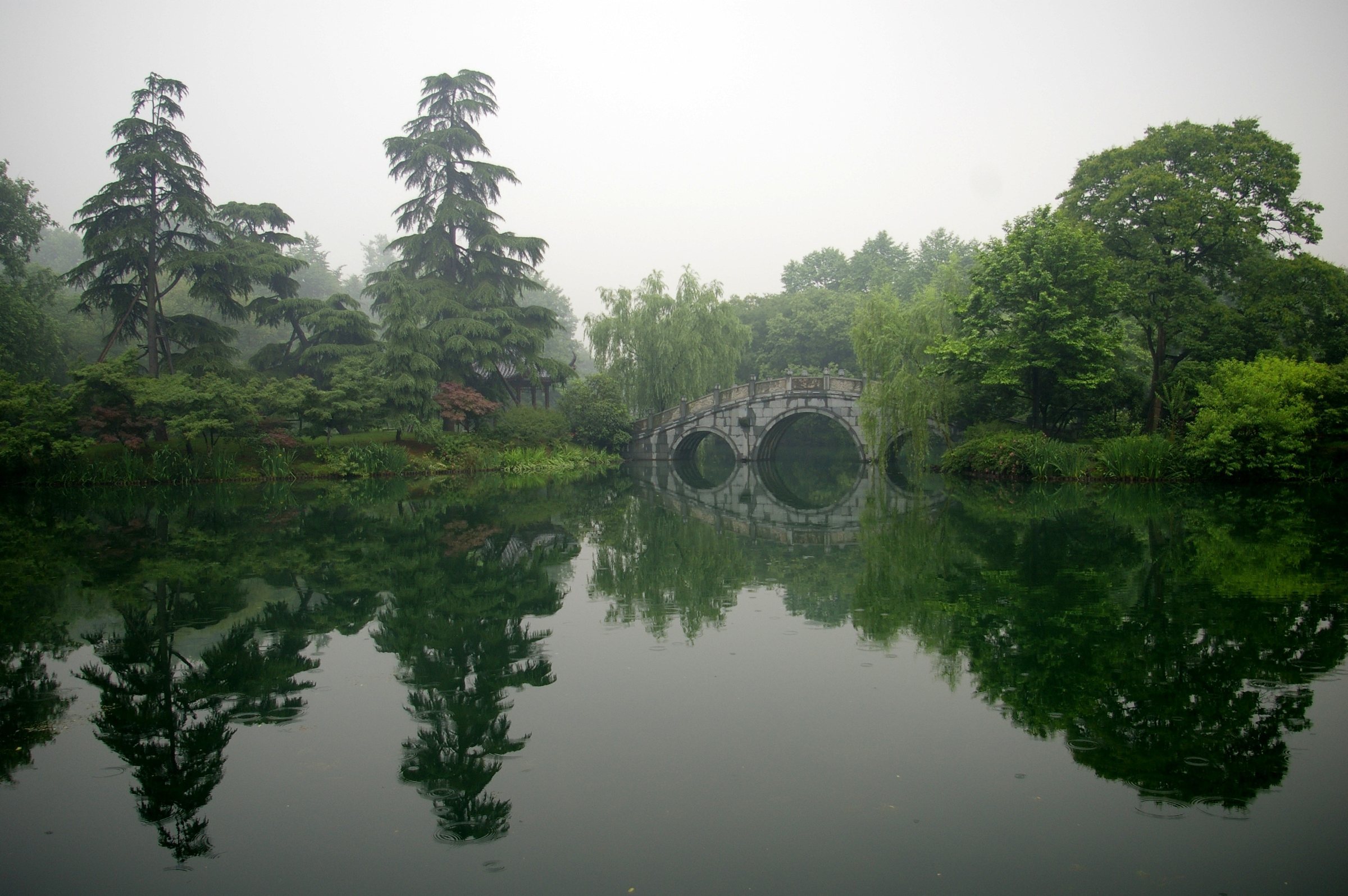
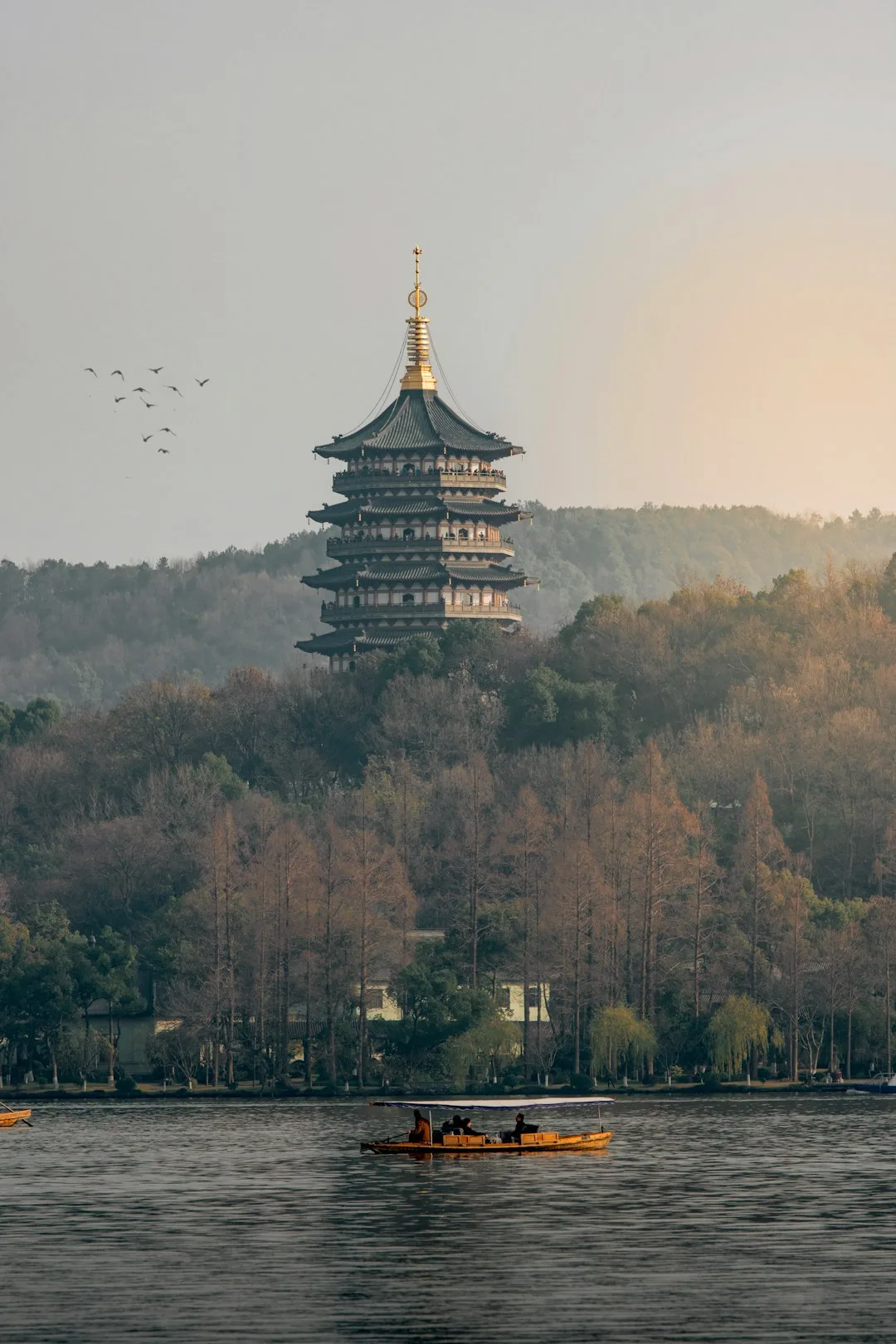
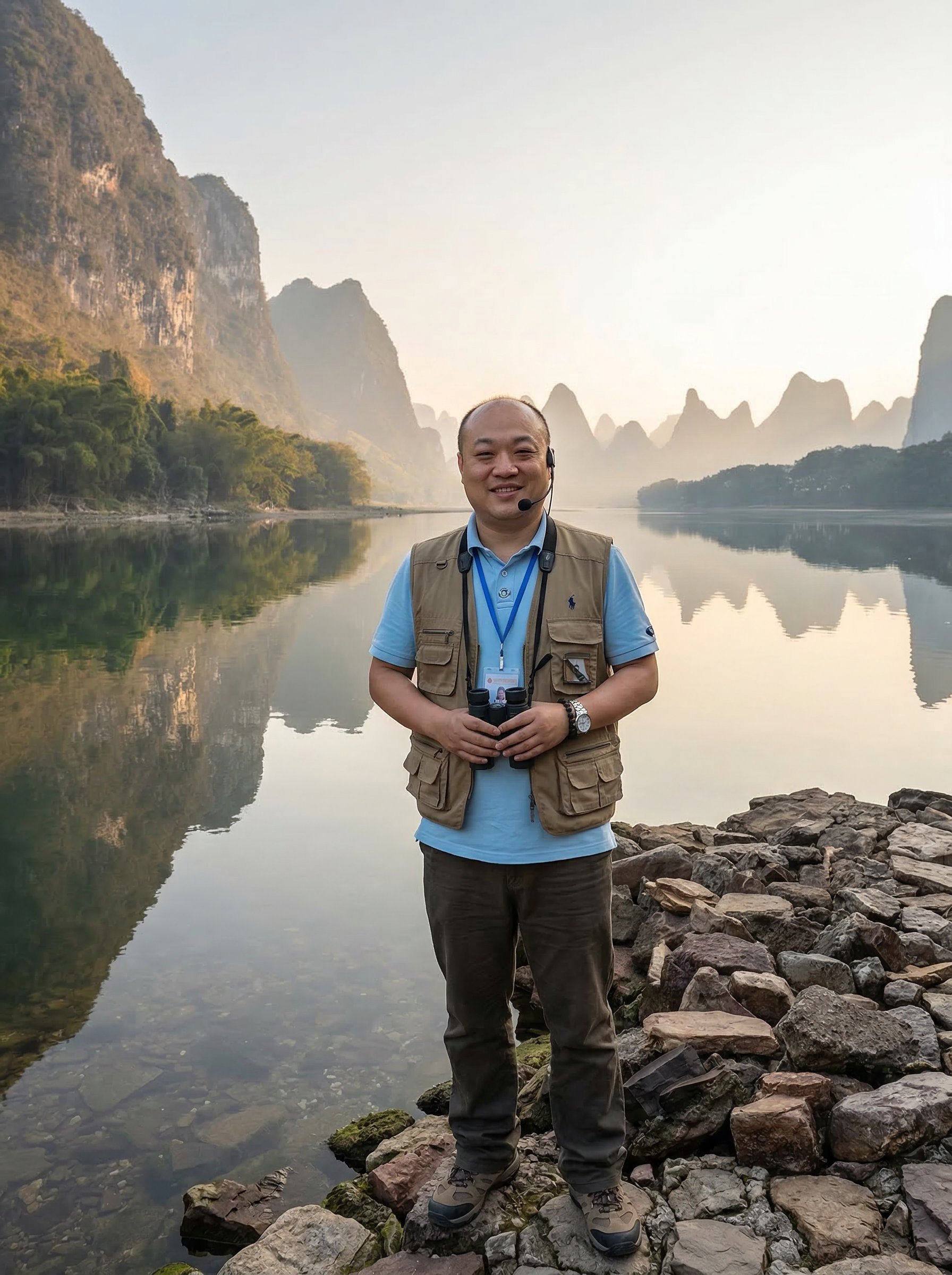
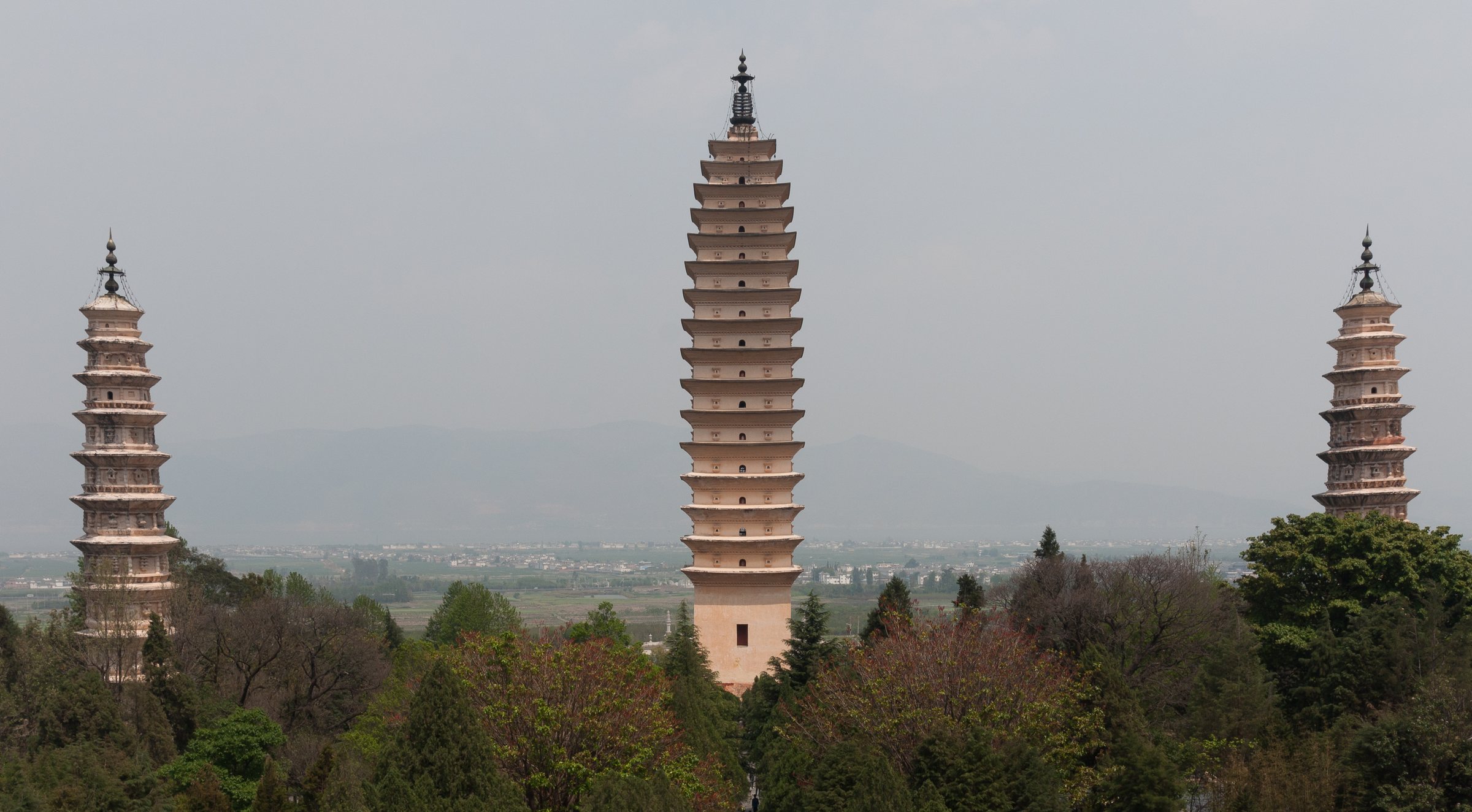
The scenery is refined rather than dramatic — this is not the Three Gorges or Zhangjiajie. It is the China of Song Dynasty paintings: mist on water, willows trailing, a pagoda in the middle distance, a small boat crossing the reflection of hills. The famous "Ten Views of West Lake" are a set of classical vantage points, each with a name — "Three Ponds Mirroring the Moon," "Watching Fish at Flower Harbour" — that tells you what you should be looking at and feeling when you stand there.
The Su Causeway at Dawn
The Su Causeway (named after the Song Dynasty poet Su Dongpo, who was once governor of Hangzhou) runs 2.8km along the western edge of the lake. Walking it at dawn — before the tourist crowd arrives, in the early light — is one of the finest short walks in China. Willows hang over the water. Locals do tai chi on the banks. The city is quiet enough that you can hear the birds.
This is not on most rushed itineraries. CTS Tours builds a morning walk into the Hangzhou days specifically for this reason.
Longjing Tea Plantations
The hills west of West Lake are the source of Longjing (Dragon Well) tea — China's most celebrated green tea, roasted by hand in a specific technique that gives it its characteristic flat-leaf appearance and chestnut aroma. The tea village of Longjing (a 20-minute drive from the lake) has working plantations open to visitors: you can watch the pan-firing process, sample the grades, and buy directly from producers rather than tourist shops.
October is late in the tea harvest season, but the plantations are still active and the landscape — terraced green hills above mist-filled valleys — is at its autumnal best.
Lingyin Temple
The Lingyin Temple complex, in the hills west of the city, is one of China's largest and wealthiest Buddhist monasteries — founded in 328 AD, repeatedly rebuilt after various destructions, its current structures mostly Qing Dynasty. The temple sits at the end of a valley lined with hundreds of Buddhist carvings cut into the cliff faces: the Feilai Feng grottos, spanning work from the 10th to 14th centuries.
The atmosphere in the early morning is genuine religious activity rather than tourist spectacle — monks chanting, incense burning, locals lighting offerings. The temple receives several million visitors per year, but the scale of the complex means it never feels completely overrun.
Combining Hangzhou with Suzhou and Shanghai
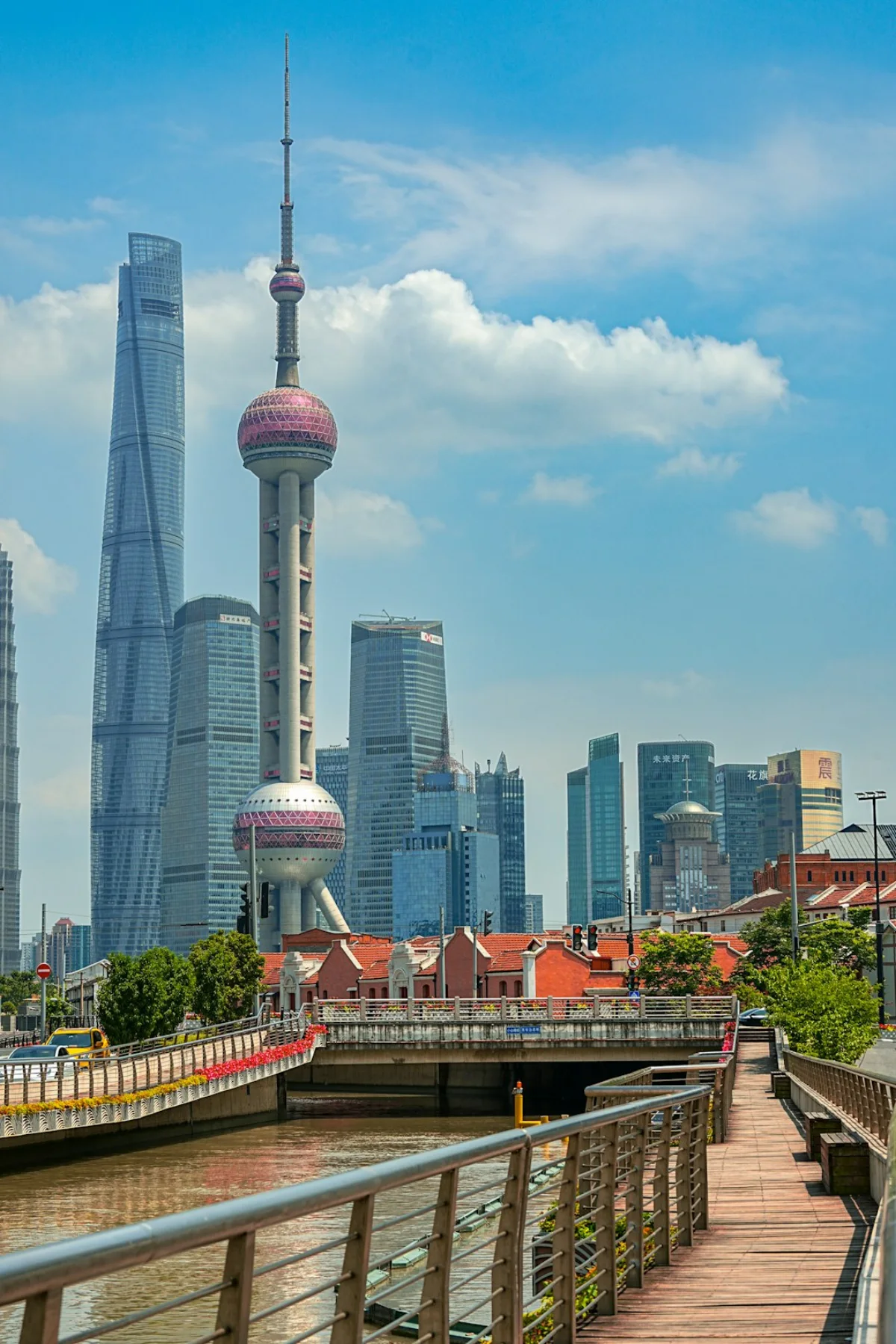
Hangzhou is best experienced as part of the Jiangnan triangle: Suzhou for the classical gardens and canals, Hangzhou for West Lake and tea culture, Shanghai for the modern city and the Bund. The three are connected by comfortable inter-city distances, and the contrast between them — ancient, romantic, modern — is itself one of the pleasures of the route.
CTS Tours' Shanghai & Surroundings tour allocates 2 nights in Hangzhou, which is the minimum needed to cover the lake, a tea plantation, and the Lingyin Temple without rushing. The tour is priced from NZD $2,699 per person from Auckland; see the tour page for the next departures.
View the full tour →