YouTube · Vince Travel
Zhangjiajie: see the whole destination before you plan
A practical English-language overview of Yuanjiajie, Tianzi Mountain, Golden Whip Stream, the Grand Canyon Glass Bridge and Tianmen Mountain.

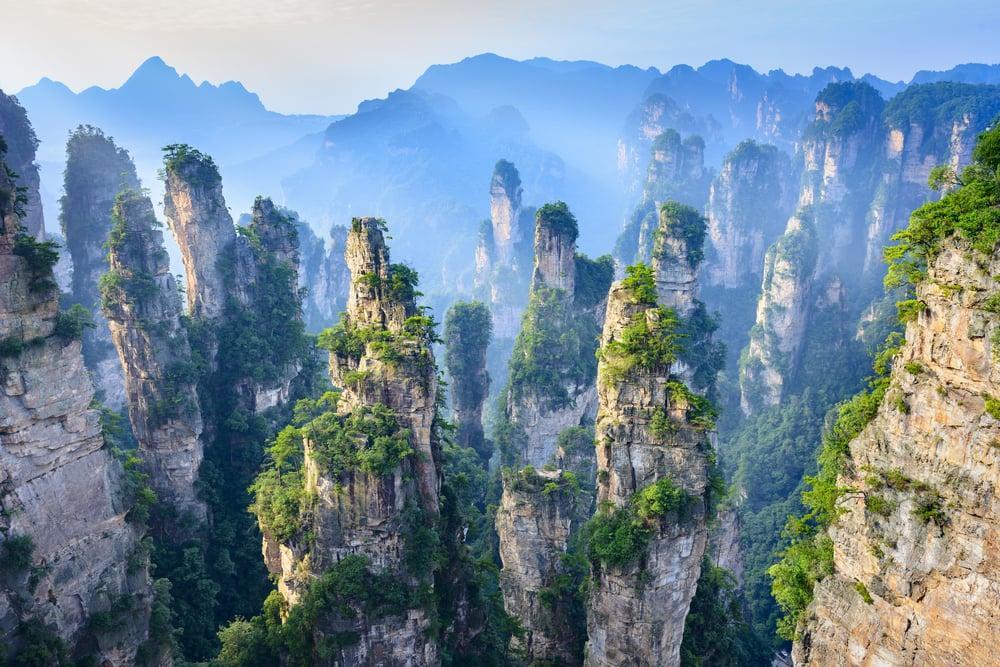
Wulingyuan peaks, Tianmen Mountain and the glass bridge — three distinct experiences
Zhangjiajie is the gateway to the quartz-sandstone pillar landscape of Wulingyuan in north-west Hunan. UNESCO records more than 3,000 narrow pillars and peaks across the protected area, many rising over 200 metres. Mist, forest and deep ravines give the landscape the floating quality travellers associate with Avatar.
The name “Zhangjiajie” is used for several attractions that are not in one park. Wulingyuan and Zhangjiajie National Forest Park contain the famous pillar viewpoints. Tianmen Mountain rises beside Zhangjiajie city and has the long cableway, cliff paths and Heaven's Gate arch. The Grand Canyon Glass Bridge is a separate attraction again. Treating them as three different days produces a far smoother itinerary.
For New Zealand travellers, three full sightseeing days is the practical minimum. Stay near Wulingyuan for the forest park, then move to Zhangjiajie city for Tianmen Mountain and onward rail or air connections. Weather can hide the peaks, so a well-paced plan keeps some flexibility rather than assigning every viewpoint to a fixed hour.
See it before you plan it
The scale is difficult to understand from a single photograph. These two films show the difference between the Avatar-style pillar landscape and Tianmen Mountain's high-altitude adventure route.
YouTube · Vince Travel
A practical English-language overview of Yuanjiajie, Tianzi Mountain, Golden Whip Stream, the Grand Canyon Glass Bridge and Tianmen Mountain.
YouTube · Amazing Places on Our Planet
A cinematic route from the city cableway through the cliff paths, glass skywalk, Tianmen Cave and the 99-bend mountain road.
Videos are hosted by their creators on YouTube. Playback loads only after you press play; routes and operating arrangements may have changed since filming.
Map first, itinerary second
The name Zhangjiajie covers several separate areas. Use the map as a planning diagram: sleep near Wulingyuan for the pillar landscape, then finish in Zhangjiajie city for Tianmen Mountain and your onward connection.
Orientation map
A planning diagram, not a road-navigation map. Tap any place in the list for its live map location.
Arrival and final-night base
The transport hub for high-speed rail, the airport and the lower Tianmen Mountain cableway station.
Start or finish here; allow transfer time between the station, airport and city hotel.
One full sightseeing day
Cableway, cliff paths, glass skywalks and Heaven's Gate; separate from the Avatar Mountains.
Access from Zhangjiajie city and choose the clearest available day.
Two-night sightseeing base
The core pillar landscape: Yuanjiajie, Tianzi Mountain, Yangjiajie and Golden Whip Stream.
About 30 km from central Zhangjiajie; stay near the park entrances for early starts.
Optional half or full day
The canyon-spanning glass bridge east of Wulingyuan; it is not inside the national forest park.
Add it after protecting two days for Wulingyuan, or include it in the CTS stopover route.
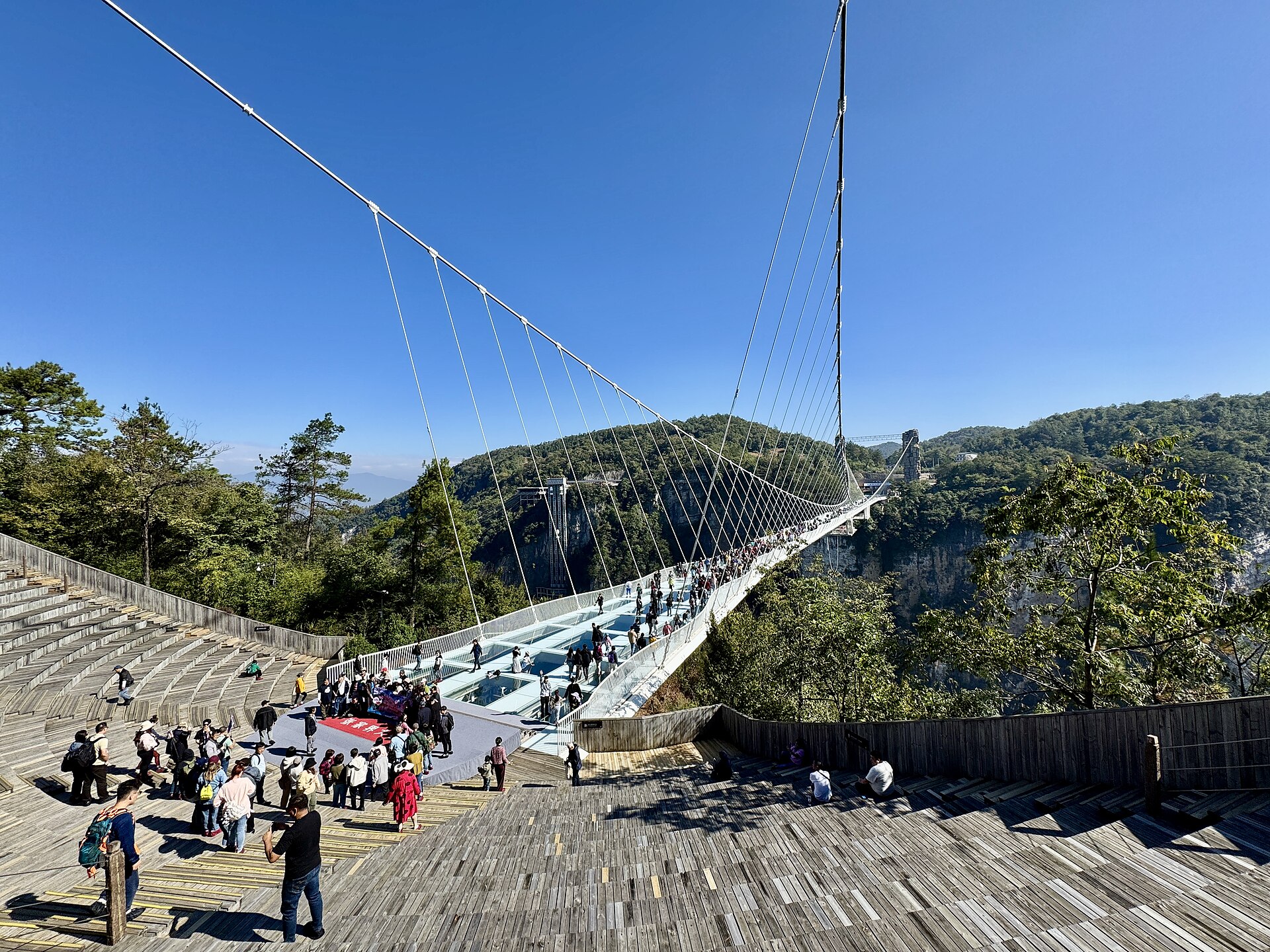 Photo: Codas / Wikimedia Commons, CC BY-SA 4.0.
The easy way to add Zhangjiajie
A compact guided route from Guangzhou that joins Tianmen Mountain, Yuanjiajie and the Grand Canyon Glass Bridge without asking first-time visitors to solve the transfers and timed entries themselves.
Zhangjiajie with CTS Tours
Expert-led tours. Small groups. 33+ years in China.
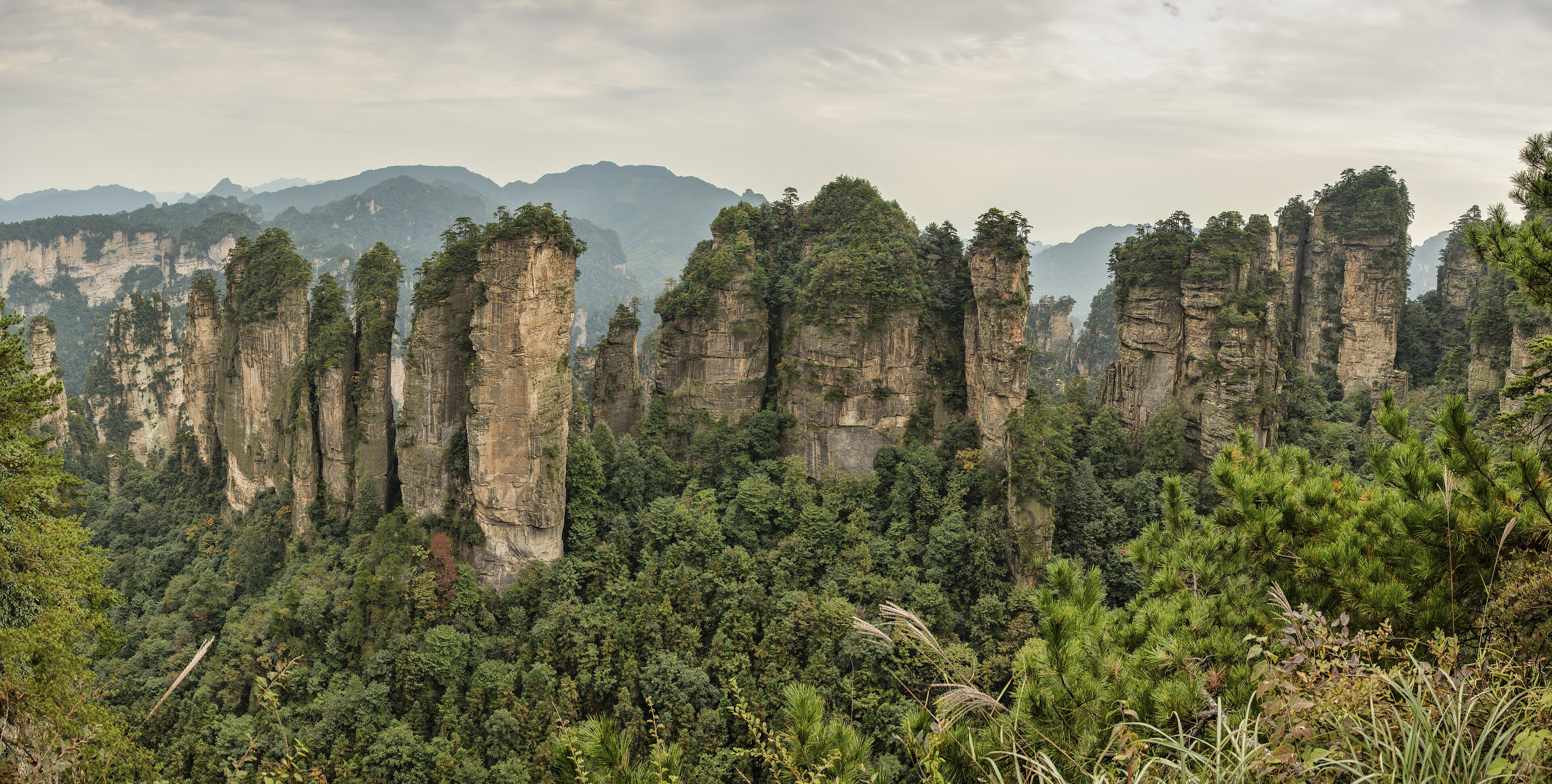
Most planning mistakes begin by treating every famous photograph as part of one attraction. Wulingyuan Scenic Area, around 30 kilometres from central Zhangjiajie, includes Zhangjiajie National Forest Park, Yuanjiajie, Tianzi Mountain, Yangjiajie and Suoxiyu. This is where you find the dense pillar forest and the viewpoints commonly marketed as the “Avatar Mountains.”
Tianmen Mountain is beside Zhangjiajie city. Its signature experiences are the cableway, cliff-edge paths, glass skywalks and the natural Heaven's Gate arch. Zhangjiajie Grand Canyon and its glass bridge lie east of Wulingyuan and require a separate booking. They cannot sensibly be squeezed into the same half-day without turning the visit into a transfer exercise.
A useful base strategy is two nights near Wulingyuan for the pillar landscape, followed by one night in Zhangjiajie city for Tianmen Mountain and the next rail or flight connection. This reduces backtracking and leaves room to adapt when cloud or queues change the day.
Read the UNESCO description of Wulingyuan →On the first day, concentrate on Yuanjiajie and the upper viewpoints. The Bailong Elevator provides a fast vertical link to the plateau, while shuttle routes connect the main overlooks. The landscape is more rewarding when you stop at fewer viewpoints for longer instead of racing through every named platform.
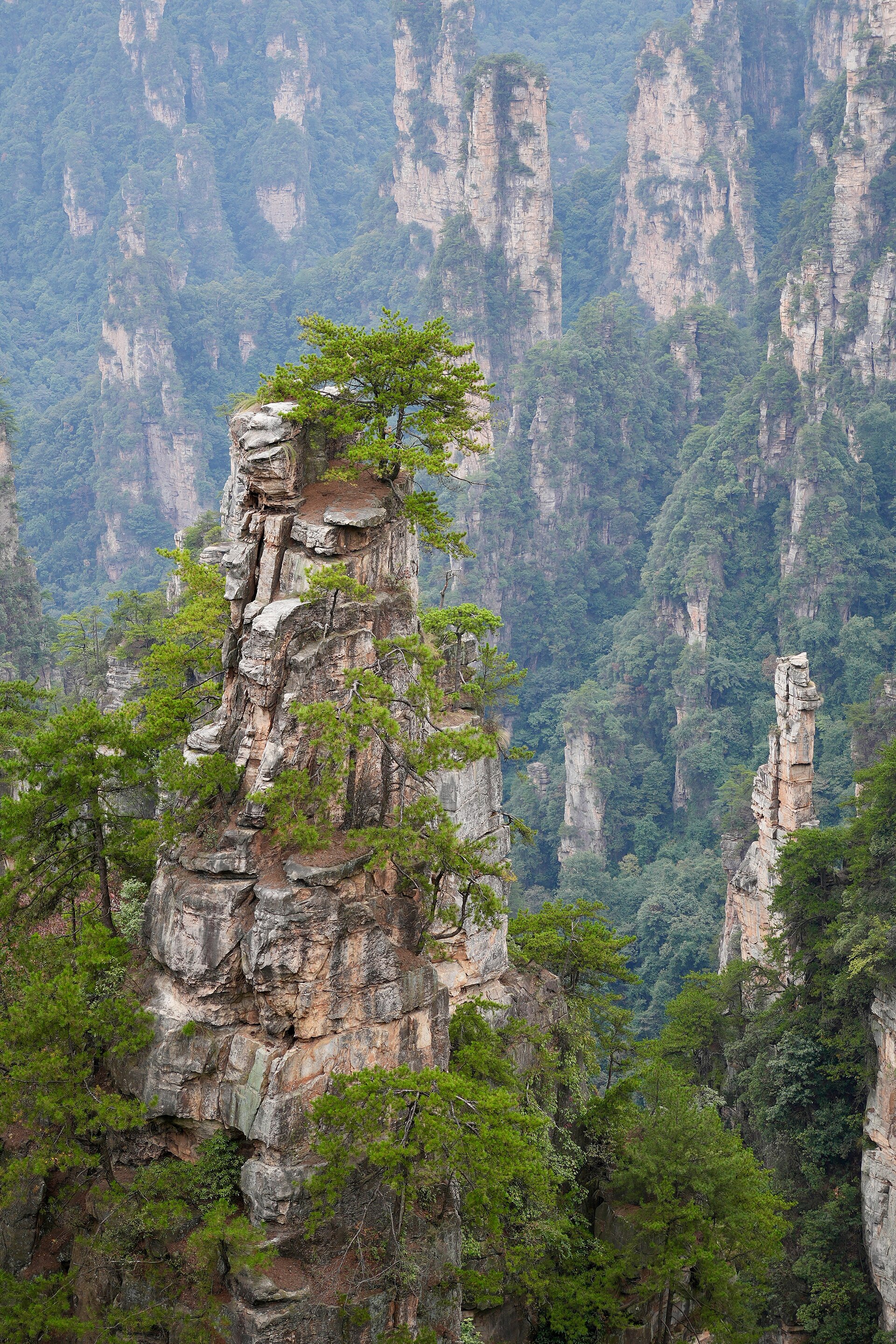
Use the second day for Tianzi Mountain, Yangjiajie or a lower-valley walk such as Golden Whip Stream, depending on weather and mobility. Upper routes deliver the wide pillar panoramas; valley trails add forest, water and a better sense of the height of the formations. Cableways and lifts reduce climbing, but the day still involves queues, slopes and repeated steps.
Mist is part of the landscape rather than automatically a bad forecast. Low cloud can create the floating-mountain effect, while heavy cloud may remove the view completely. Keep the clearest-looking morning for the highest viewpoints and avoid building onward transport around a tight park exit time.
Tianmen Mountain is a separate full-day outing from the forest park. The lower cableway station is in Zhangjiajie city, making this the logical final day before departure. Hunan's tourism authority lists the cableway at 7,455 metres with a vertical rise of 1,279 metres; the ride itself is part of the attraction, crossing the city edge, fields and the steep mountain road.
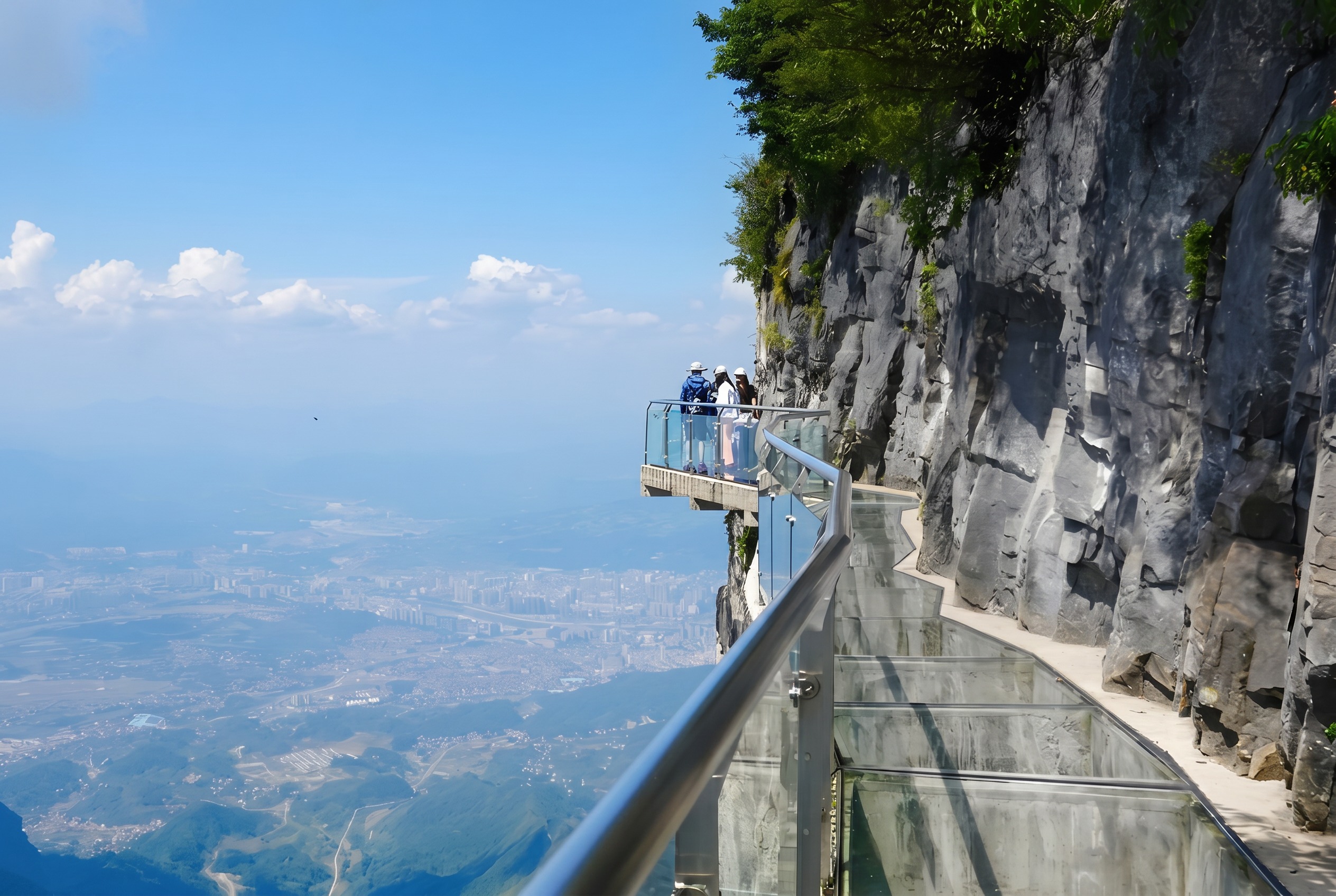
At the summit, visitors follow cliff paths around the plateau. Some sections have glass underfoot, but these are cliff-edge skywalks rather than the canyon-spanning Glass Bridge. The natural arch known as Tianmen Cave or Heaven's Gate sits below the summit and is approached by 999 steps or, depending on the operating route, escalators and shuttle transport.
Timed routes can change with weather, maintenance and crowd control. Book the correct route rather than relying on an old map, carry your passport, and allow most of the day. Travellers uncomfortable with exposed heights can still enjoy the cableway and conventional paths without making the glass sections the centre of the visit.
Explore the dedicated Tianmen Mountain guide →The 430-metre Grand Canyon Glass Bridge spans a canyon rather than following a cliff. It is the attraction seen in photographs of visitors standing over a broad transparent deck with the gorge below. That distinction matters because the bridge is not inside Zhangjiajie National Forest Park and is not on Tianmen Mountain.
Include the bridge when the experience itself is a priority, when younger travellers want an adrenaline element, or when you have a fourth day. Travellers with limited time often gain more from a second Wulingyuan morning, especially if the first day was cloudy. Entry is normally timed and may involve restrictions on bags and items carried onto the bridge, so current rules should be checked when tickets are arranged.
The bridge can be paired with the Grand Canyon walk, but it should not replace the pillar landscape. If the “Avatar Mountains” brought you to Zhangjiajie, protect two days for Wulingyuan first.
Day 1: enter Wulingyuan early and prioritise Yuanjiajie, the Bailong Elevator and a small number of upper viewpoints. Day 2: return for Tianzi Mountain, Yangjiajie or a valley walk chosen around visibility and fitness. Keep both evenings near Wulingyuan so the park gates are close the next morning.
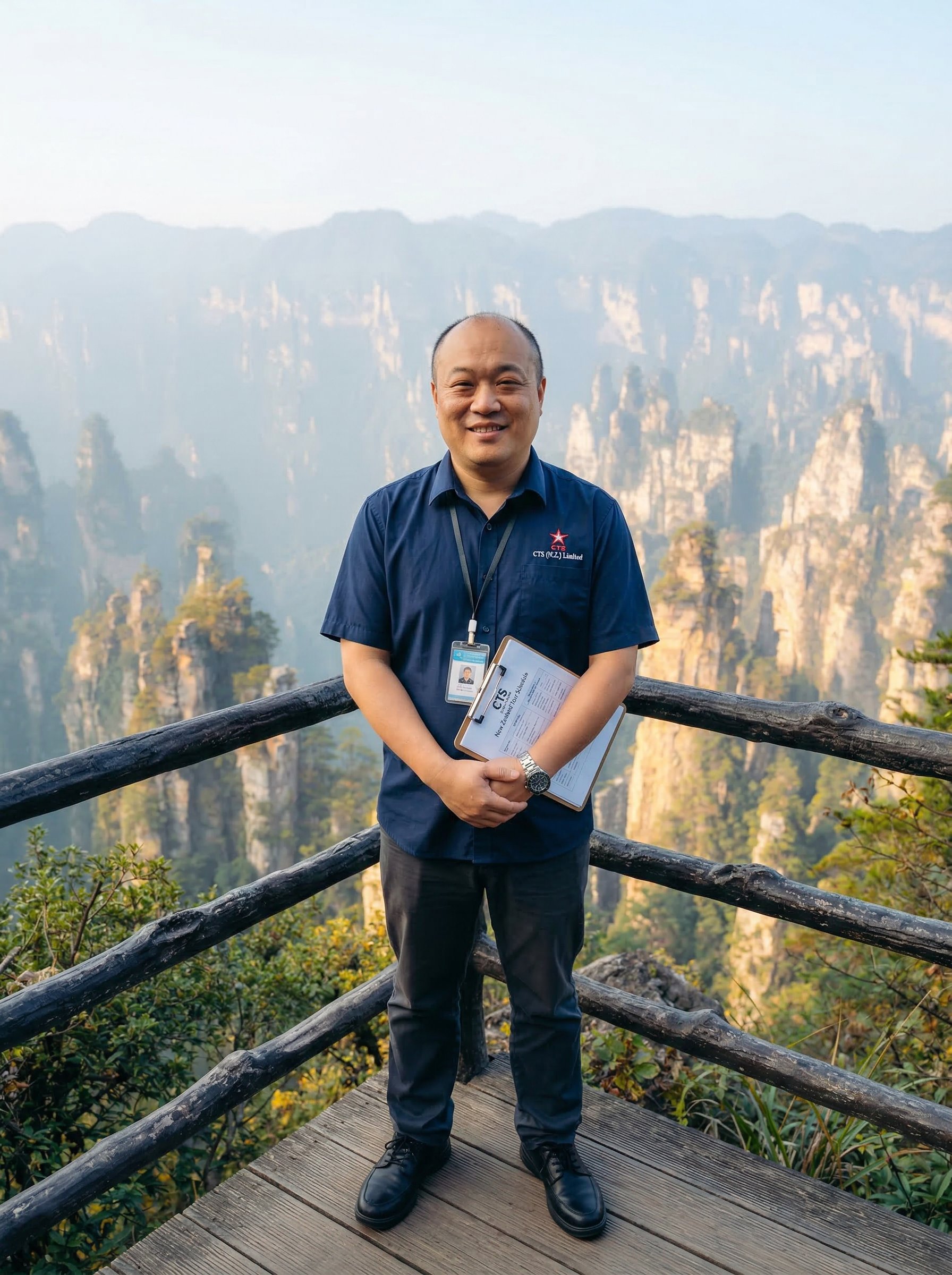
Day 3: move to Zhangjiajie city and visit Tianmen Mountain. Stay in the city if your train or flight leaves the following morning. Add a fourth day for the Grand Canyon Glass Bridge, a slower forest walk or a weather buffer.
From New Zealand, Zhangjiajie usually works best inside a broader China itinerary rather than as a stand-alone long-haul trip. Changsha is the natural Hunan gateway; Chongqing and Guilin create strong onward combinations. A CTS specialist can sequence the rail, domestic flight, hotels and timed attraction entries so the landscape remains the focus.
Ask CTS to build Zhangjiajie into your China itinerary →Zhangjiajie Hehua International Airport serves the city, while Zhangjiajie West railway station handles high-speed rail services. Schedules change, so compare the whole door-to-door journey rather than choosing a connection only by headline travel time.
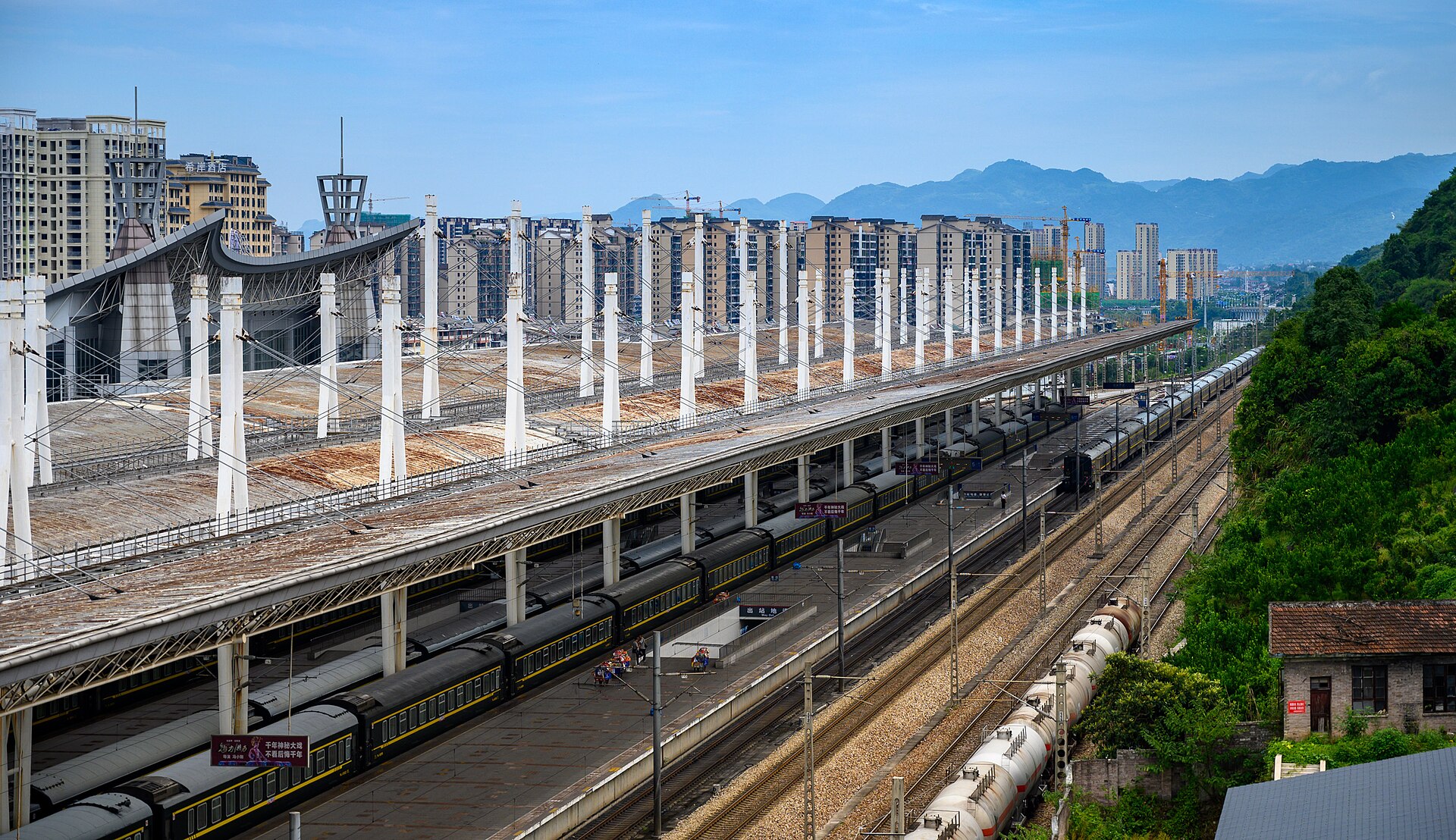
Wulingyuan town is the practical base for the main forest park entrances. Central Zhangjiajie is better for Tianmen Mountain, the airport and onward rail. Splitting the stay between the two areas prevents long daily transfers and gives the itinerary a natural finish in the city.
Independent travellers should use the official Railway 12306 platform or a reputable booking provider and keep passport names identical across transport and attraction reservations. Guided arrangements are especially useful here because park entrances, internal shuttles and cableway routes are easy to confuse before arrival.
Open the official Railway 12306 booking website →UNESCO-listed landscape containing more than 3,000 quartz-sandstone pillars and peaks, ravines, streams, caves and natural bridges.
Upper-plateau viewpoints associated with the Avatar landscape, reached by shuttle, hiking routes and the cliff-mounted elevator.
Broad views across the pillar forest with cableway access and walking links to upper scenic routes.
A lower-valley forest walk beneath the pillars, useful when cloud hides the upper viewpoints or travellers prefer gentler terrain.
Separate mountain beside Zhangjiajie city with a 7,455-metre cableway, cliff paths, glass skywalks and the Heaven’s Gate arch.
A separate canyon-spanning glass bridge east of Wulingyuan, best added for travellers who specifically want the height experience.
Zhangjiajie Hehua International Airport and Zhangjiajie West railway station serve the city. Stay near Wulingyuan for the main forest park, then use central Zhangjiajie for Tianmen Mountain and onward transport. Official park shuttles, cableways, lifts and walking routes connect scenic areas, but not every transfer is covered by one ticket.
The humid mountain climate creates fast changes in visibility. Summers are warm and wet; winter can bring cold paths, fog and occasional ice at elevation. Temperatures at viewpoints can feel noticeably cooler than in the city. Best time: April-May and September-November generally balance comfortable walking with good scenery. Avoid major Chinese public holidays where possible. Mist can be beautiful, but retain a weather buffer if clear panoramic views are essential.
Budget separately for Wulingyuan admission, optional lifts or cableways, Tianmen Mountain and the Grand Canyon Glass Bridge. Current prices and inclusions change; confirm them when timed tickets are booked. Splitting hotels between Wulingyuan and the city can reduce transfer costs and lost time.
Mandarin is standard and English is limited outside major hotels and organised tours. Save Chinese place names, hotel addresses and ticket confirmations offline; translation and payment apps are useful. Paths are managed but can be wet, steep and crowded. Wear shoes with grip, use handrails, carry water, and choose cableways or shorter valley routes when mobility or balance is limited. Follow weather closures and official queue controls.
Three full days is the practical minimum: two days for Wulingyuan and one for Tianmen Mountain. Add a fourth day for the Grand Canyon Glass Bridge, slower valley walks or protection against poor visibility.
No. The Grand Canyon Glass Bridge spans a canyon east of Wulingyuan. Tianmen Mountain has shorter glass-floor paths attached to the cliff. Wulingyuan, Tianmen Mountain and the Grand Canyon are separate scenic areas with separate tickets.
Stay in Wulingyuan for the two forest-park days so you can reach the entrances early. Move to central Zhangjiajie for Tianmen Mountain and an easier rail or airport departure. One hotel for the whole visit usually creates unnecessary transfers.
April-May and September-November generally offer comfortable walking conditions. Visibility can change in any season: light mist creates atmosphere, while heavy cloud can hide entire viewpoints. Avoid major Chinese public holidays if your dates are flexible.
You can reduce climbing with park shuttles, the Bailong Elevator and cableways, but most routes still involve slopes, steps and long periods on your feet. Travellers with limited mobility should plan fewer viewpoints, allow more time and choose valley walks or assisted routes.
Yes. Both combinations work well in a broader natural-China itinerary, but connection times and timetables change. Allow at least three sightseeing days in Zhangjiajie before continuing and compare rail and domestic-flight options for your exact dates.
Continue the story with practical routes, local food, transport and the wider history of Zhangjiajie.
I’m Baker Gu — how I plan Zhangjiajie so you see the Avatar peaks without wasting your legs on the wrong queue.
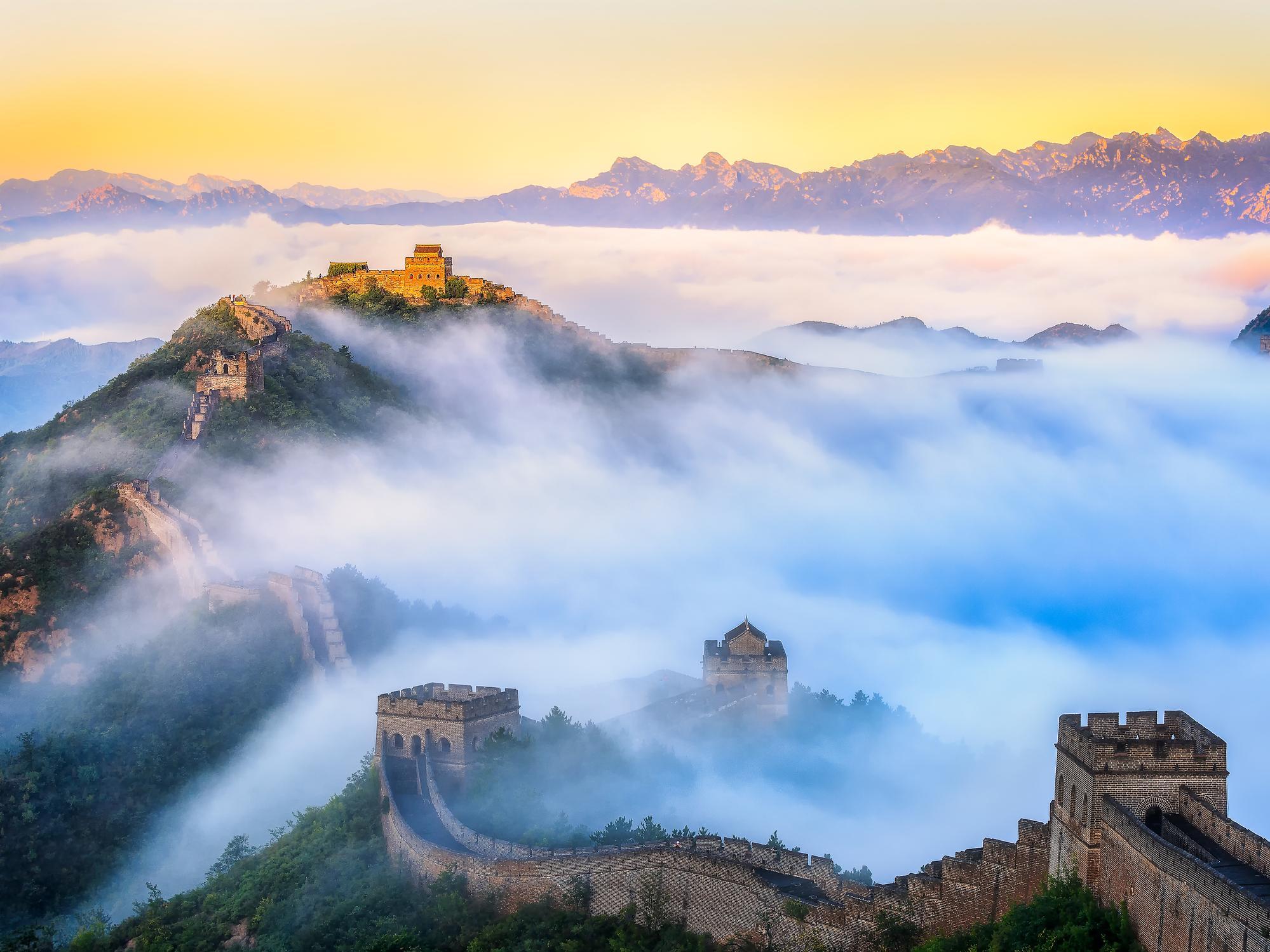
I’m Baker Gu — field notes for photographers: light, lenses, drone reality, and the side gates I ask guides to use so you’re not fighting busloads.
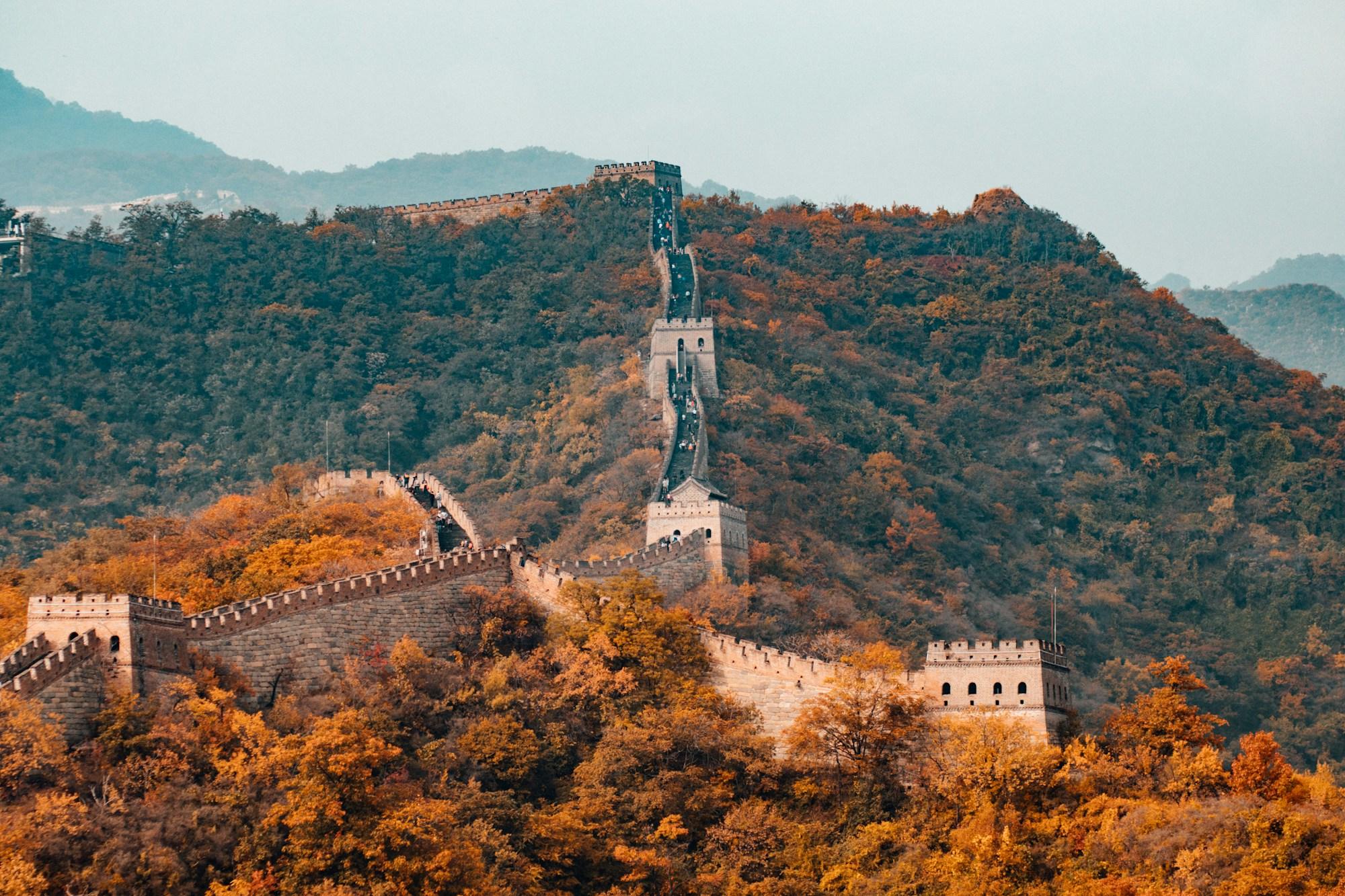
I’m Baker Gu — how I pick months for Kiwis: north vs south weather, Golden Week reality, and when I’d pay more to avoid a bad week.
Let our China specialists build your perfect itinerary. 33+ years of experience, small groups, authentic access.
CTS Tours offers Zhangjiajie packages covering the Avatar Mountains, glass bridge, and Tianmen Mountain. Small groups, NZD pricing.
Explore Zhangjiajie Tours →