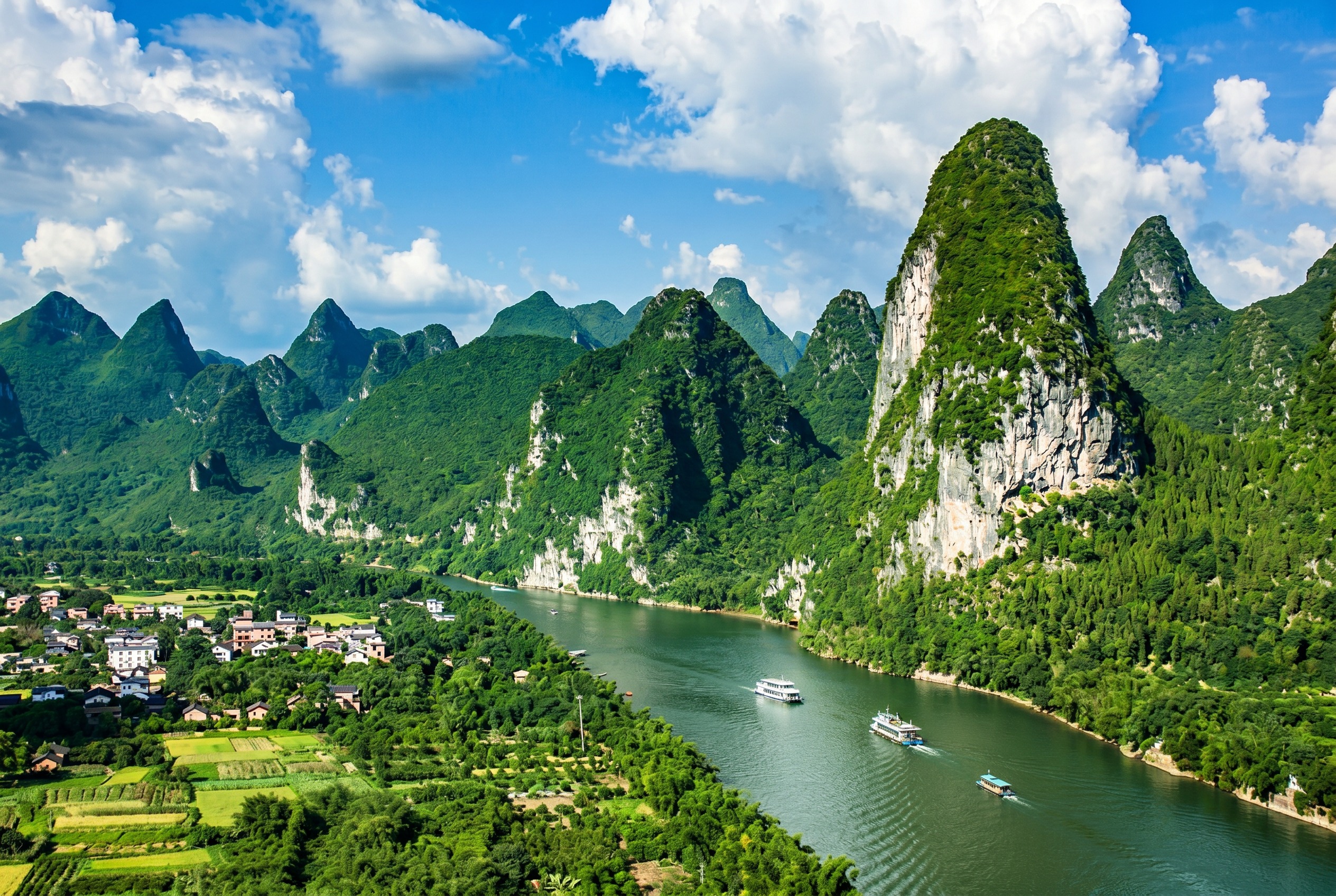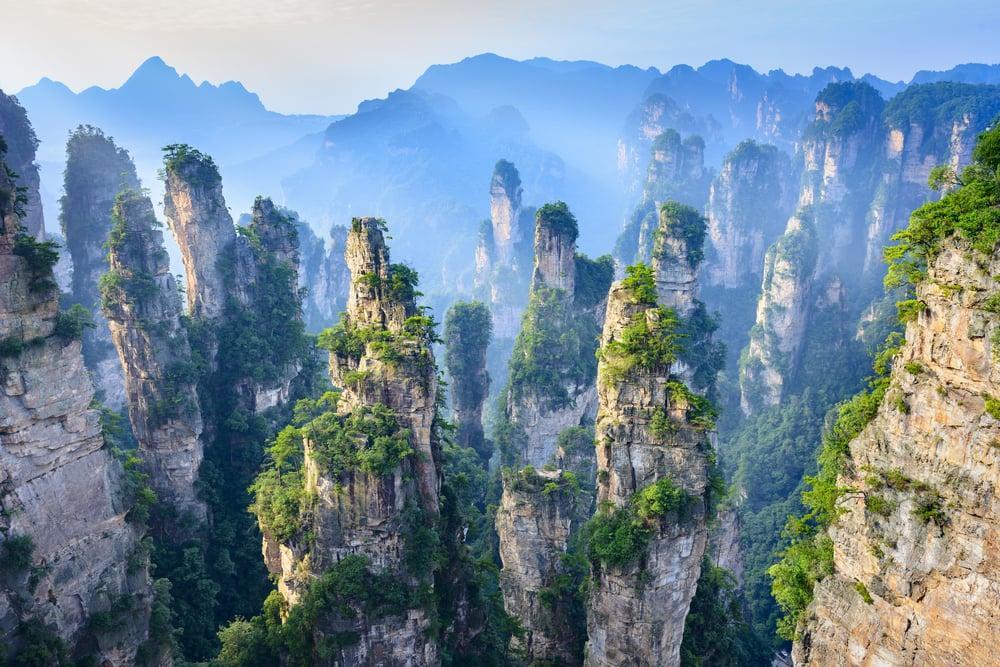
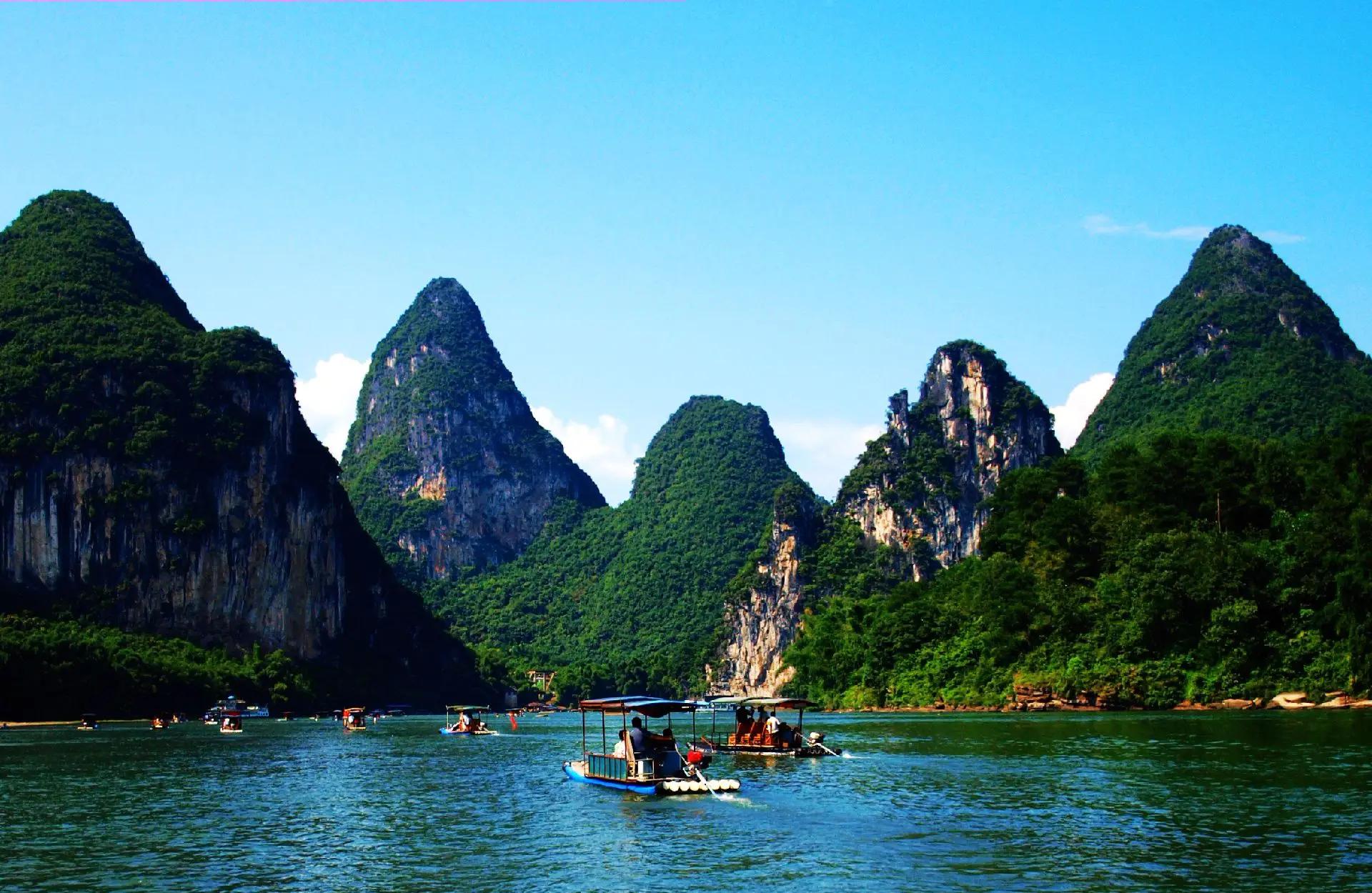
Guilin lies in Guangxi in southern China. Limestone peaks rise straight from the Li River. The scenery has inspired Chinese art for centuries.
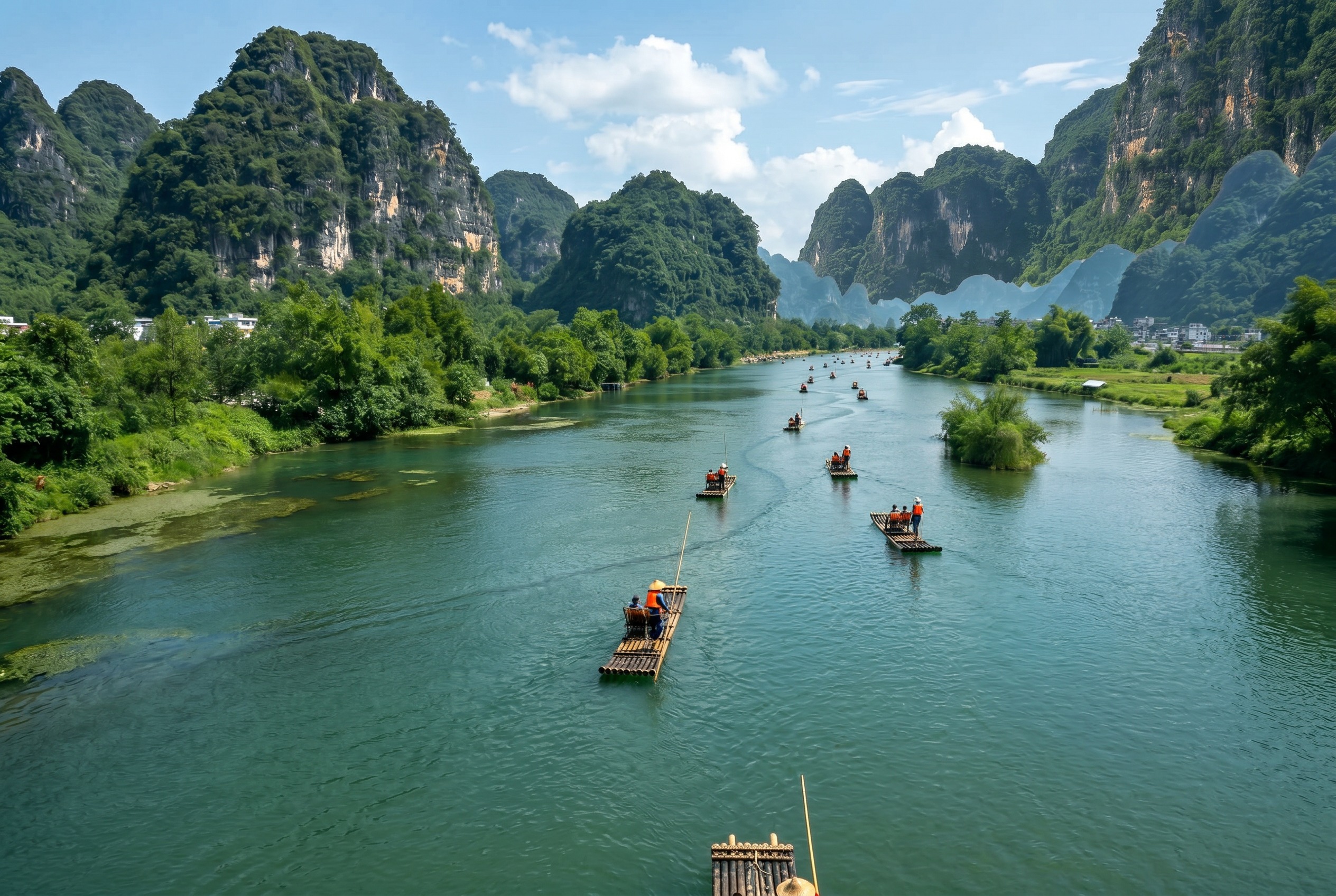
The Li River cruise to Yangshuo is the classic experience. You pass peaks, villages, and bamboo for about eighty-three kilometres.
Cormorant fishing shows still run for visitors. They nod to an older river culture.
Flights connect Guilin to Beijing, Shanghai, and Chengdu. You can add caves, cycling, or village walks.
For New Zealand travellers who want postcard China, Guilin and Yangshuo are hard to beat.
Guilin with CTS Tours
Expert-led tours. Small groups. 33+ years in China.
Li River Cruise: The Essential Journey
The Li River cruise represents China's most celebrated scenic journey. The 83-kilometre route from Guilin to Yangshuo passes through landscapes so distinctive that UNESCO recognised the area as World Heritage Site. The cruise's geological marvel stems from karst formation—limestone dissolution creating dramatic peaks, caves, and underground waterways. These mountains, named after their shapes (Elephant Hill, Camel Peak, Maiden Peak), inspired millennia of artistic representation.
Full-day cruises depart Guilin morning (8-9am), reaching Yangshuo evening (5-6pm), with stops for lunch and village visits. Shorter cruises (Guilin to Zhujiang or Yue-Tong sections) compress the experience into half-days. Private boat charters provide flexibility; bamboo rafting offers alternative perspectives. Optimal conditions occur during spring (April-May) and autumn (September-October) when water levels suit navigation and weather permits clear views.
The famous Liusanjie cormorant fishing demonstrations occur nightly in Yangshuo. Fishermen guide bamboo boats using trained cormorants with snares preventing them from swallowing larger fish; the birds disgorge catches into baskets. This millennium-old technique now serves primarily tourism, yet traditional knowledge and skills persist. Evening performances under moonlight create atmospheric experiences; understanding historical context deepens appreciation.
Yangshuo & Rural Village Life
Yangshuo, 83km downstream from Guilin, evolved from quiet riverside village to cosmopolitan traveller hub whilst maintaining village character. The West Street area attracts backpackers and tourists with cafes, language schools, and adventure tourism operators. Genuine village atmosphere persists in surrounding neighbourhoods: family-run restaurants, agricultural fields, and traditional architecture remain integral.
The area's appeal lies in balancing exploration accessibility with authentic rural experience. Bicycle rentals (¥10-20 daily) permit independent exploration of surrounding villages, farms, and scenic viewpoints. Dragon's Backbone Rice Terraces, 2-3 hours north, feature stunning agricultural sculptures carved into mountains across centuries. Photography enthusiasts find golden-hour light transforming terraced landscapes into abstract compositions.
Rock climbing and caving attract adventure tourists; limestone formations create sport climbing routes. Professional operators offer instruction; experienced climbers access challenging multi-pitch routes. The surrounding countryside accommodates homestays with local families, offering rural immersion and home-cooked meals. Many visitors base themselves in Yangshuo for 2-3 days, using it as hub for surrounding exploration.
Karst Caves & Geological Wonders
Reed Flute Cave (Ludi Yan), 5km from Guilin city, showcases stalactite and stalagmite formations sculpted across millennia. Modern illumination highlights crystal formations, underground rivers, and cavernous spaces. The 240-metre walkway navigates increasingly dramatic chambers; some formations resemble recognisable objects (elephants, lions, pagodas), engaging visitors' imagination. An hour suffices for complete exploration.
The Moon Hill Cave in Yangshuo features naturally circular opening resembling moon; pathways ascend through cave reaching the opening for valley views. The walking route combines cave exploration with rural landscape immersion. Luminous stalactites catch light creating otherworldly atmosphere. Local guides explain geological processes and cultural histories embedded in landscape.
Thousand Buddha Cave and other lesser-known formations offer quieter alternatives to heavily touristed attractions. Professional guides provide geological and historical context. Cave temperatures remain constant (15-18°C) regardless of outside weather; jackets recommended.
Local Culture & Minority Communities
Guangxi hosts multiple ethnic minorities: Zhuang (largest), Yao, Miao, and Dong peoples. Traditional clothing remains visible in rural areas; markets feature distinctive handicrafts and textiles. The Zhuang embroidery technique, passed through generations, features intricate patterns reflecting mythological and natural themes. Visitors can observe production or commission custom pieces.
Oil-paper umbrella production, practised in neighbouring Jiangxi Province yet connected to Guangxi cultural networks, showcases traditional craftsmanship. Artisans hand-paint waterproof paper using natural dyes and fine brushes; the resulting umbrellas function as both practical tools and artistic works. Markets offer examples; workshops permit observation of production.
Local festivals celebrate seasonal transitions and ethnic traditions. The Cormorant Fishing Festival (September), Dragon Boat Festival (lunar May), and regional celebration patterns reflect deep cultural continuity. Seasonal markets offer fresh produce, traditional foods, and handicrafts at minimal cost. Homestays facilitate cultural exchange, breaking down tourist-local barriers.
Top Attractions in Guilin
Li River Cruise
World-famous 83km scenic journey through karst mountains; UNESCO World Heritage landscape.
Yangshuo Village
Riverside village hub with accommodation, restaurants, adventure tourism, and rural exploration base.
Reed Flute Cave
Illuminated stalactite cave with underground river; modern walkway through geological formations.
Dragon's Backbone Rice Terraces
UNESCO landscape of centuries-old mountain terraces; photogenic agricultural artwork.
Cormorant Fishing Night Show
Traditional fishing technique demonstration with trained birds; evening performance with lantern atmosphere.
Moon Hill Cave
Natural rock formation with circular opening; cave exploration combined with panoramic views.
Elephant Hill (Xiangbi Shan)
Iconic landmark with elephant-shaped peak; scenic spot in Guilin city area.
Guilin Folk Customs Museum
Cultural heritage focusing on ethnic minorities and traditional craftsmanship.
Guilin Photo Gallery
Practical Information
Getting Around
Guilin Liangjiang International Airport connects to major cities (Beijing 3 hours, Shanghai 2.5 hours, Chengdu 2.5 hours). City has growing metro system; taxis/Didi ubiquitous. Li River cruises depart morning from city docks. Yangshuo accessible by direct minibus (1.5 hours, ¥20) or cruise completion. Bicycle rentals popular for local exploration.
Climate & Best Time
Subtropical; warm and humid most of year. Winters (December-February) cool (5-15°C), rarely cold. Summers (June-August) hot (25-35°C) and humid with frequent rain. Spring and autumn mild and pleasant. Best time: April to May (spring, water levels ideal, 15-25°C) and September to November (autumn, clear skies, 15-25°C). Avoid rainy season (May-June) when flooding possible; summer very hot and humid.
Budget
Street food and casual meals ¥20-50; mid-range ¥80-200; upscale ¥200-500+. Accommodation: budget ¥100-250, mid-range ¥400-900, luxury ¥1200+. Cruises and cave entries ¥60-500 depending on service level.
Language & Safety
Mandarin Chinese; Guangxi dialect spoken locally. English present in tourist-heavy Yangshuo; scarce elsewhere. Translation apps essential for independent travel. Generally safe; river cruises operate under regulation. Standard precautions on boats and in caves. Rural areas very safe. Water safety varies by conditions; follow guide instructions.
Frequently Asked Questions
Should I book the Li River cruise in advance?
Advance booking (via hotel or travel agent) guarantees spot and permits price negotiation. Walk-up bookings exist but higher prices and potential unavailability during peak seasons (Chinese New Year, summer holidays). Budget 2-3 days' advance notice minimum; spontaneous same-day bookings possible at higher cost.
How long does the Li River cruise take?
Full journey Guilin to Yangshuo requires 8-9 hours including lunch and stops. Shorter segments (half-day cruises) cover 30-40km in 4 hours. Private charters permit flexible timing and custom stops. Most visitors prefer full-day immersion for landscape appreciation.
Is Yangshuo safe for solo travellers?
Yangshuo is exceptionally safe and extremely backpacker-friendly with extensive tourism infrastructure. Solo female travellers, families, and various traveller types thrive here. Numerous hostels and language schools facilitate meeting other travellers. The village atmosphere and tourist prevalence create low-risk environment.
Can I do multiple activities in Yangshuo?
Yes; most visitors base themselves 2-3 days and undertake multiple excursions: Li River segments, cave visits, rice terrace treks, rock climbing, cycling tours. This permits both adventure activities and relaxation. A week in Yangshuo permits deeper exploration of surrounding region.
Is cormorant fishing authentic or just tourist performance?
The modern practice is tourist-oriented; traditional fishing was sustainable livelihood. However, families maintaining the tradition preserve genuine knowledge and cultural heritage. Evening performances remain impressive demonstrations of human-animal partnership and traditional technique. Understanding historical context enriches appreciation.
Recommended Reading
Continue the story with practical routes, local food, transport and the wider history of Guilin.
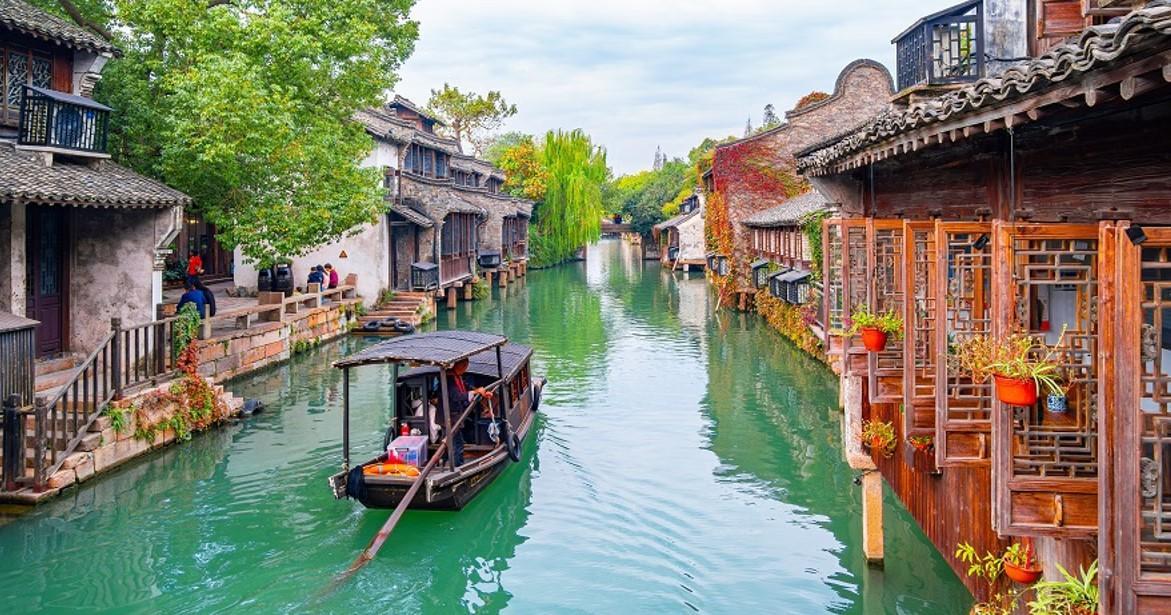
Suzhou & Wuxi: China's Ancient Water Towns Guide
The Jiangnan water towns — canal cities, classical gardens, silk culture, and West Lake — are a different China from Beijing and Xi'an. Here's what makes them special and how to experience them from New Zealand.
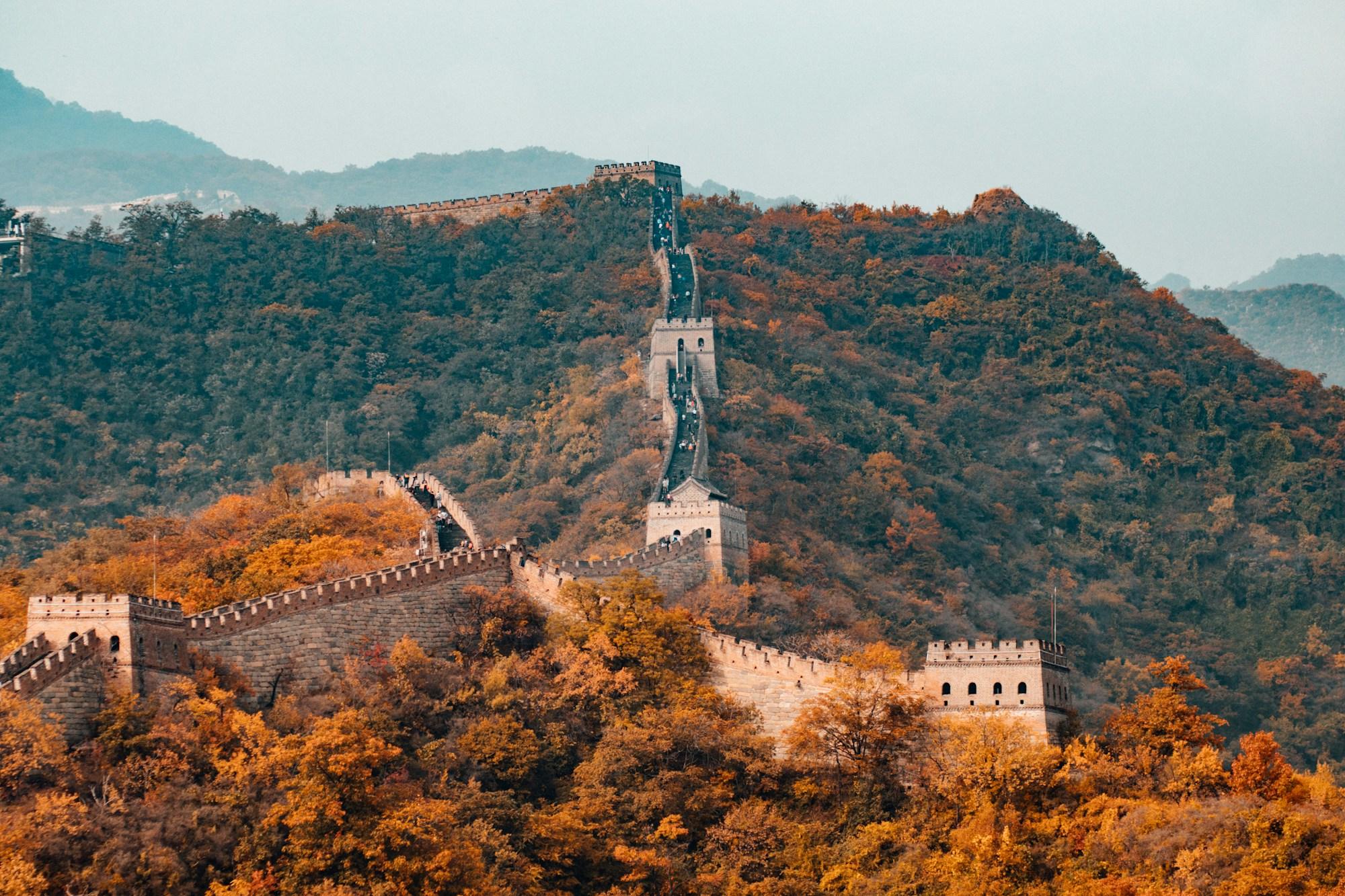
Best Time to Visit China: Seasonal Weather & Crowds
I’m Baker Gu — how I pick months for Kiwis: north vs south weather, Golden Week reality, and when I’d pay more to avoid a bad week.
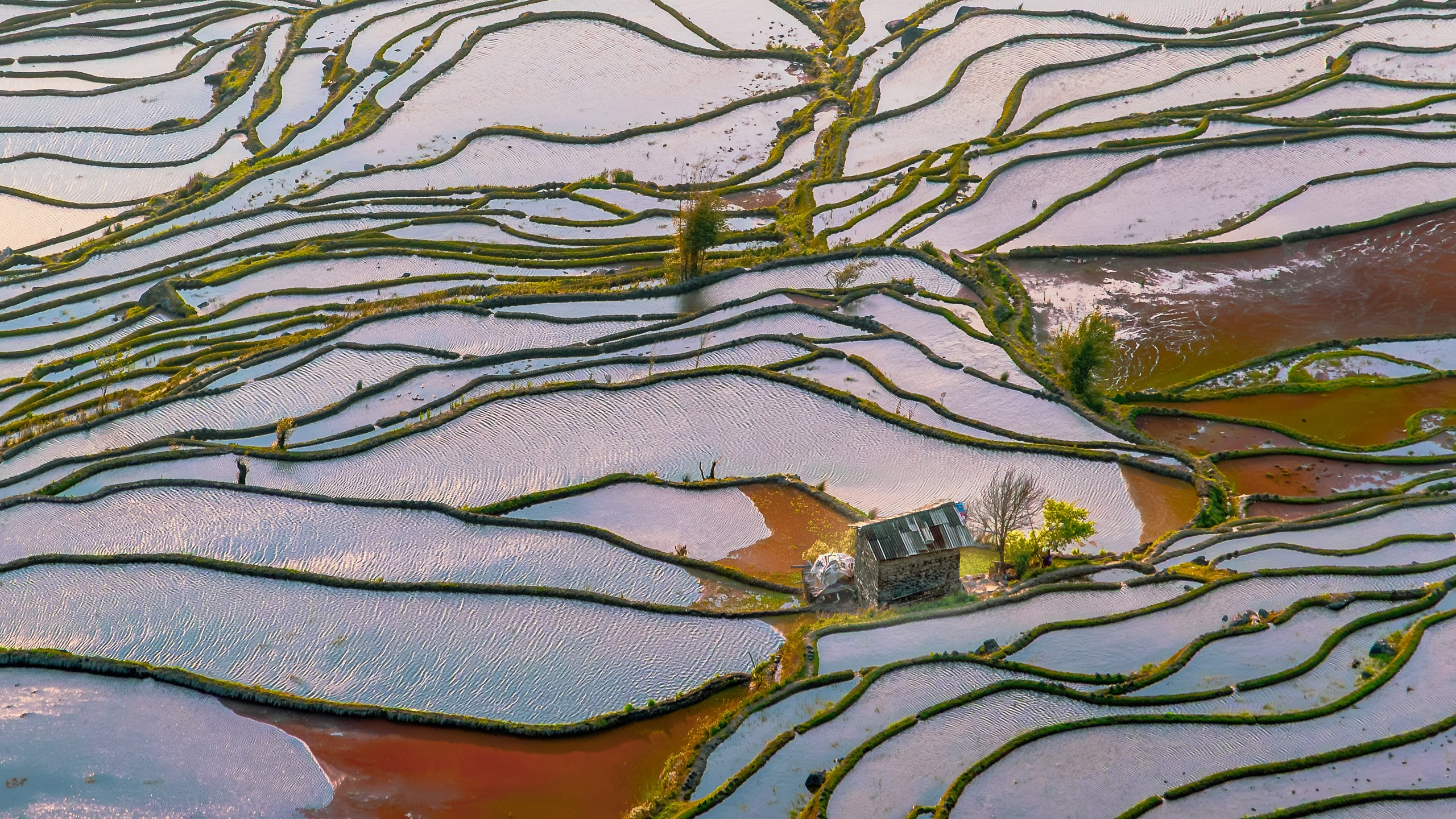
What to Pack for China: Complete Packing List by Season
I’m Baker Gu — the packing list I give Kiwi clients before they fly: layers, adapters, meds, culture-smart bits, and how I keep bags light for long China legs.