Chengdu is the capital of Sichuan Province. Roughly sixteen million people live here. Locals are known for teahouses, slow meals, and spicy food.
The Giant Panda Breeding Research Base is the top draw. You can see pandas in large outdoor enclosures and learn how breeding helps the species.
Temples, old lanes, and new art districts round out the city. Teahouses are social hubs for chess, mahjong, and jasmine tea.
High-speed trains run to Beijing, Shanghai, and Guilin. Leshan Giant Buddha and Mount Emei are popular day trips.
If you want food, culture, and pandas in one place, Chengdu is a strong choice for New Zealand visitors.
Chengdu with CTS Tours
Expert-led tours. Small groups. 33+ years in China.
Giant Pandas & Conservation
The Giant Panda Base, established 1987, operates as both research institution and tourism attraction. Housing approximately 150 pandas (70% of the world's captive population), the base spans 666 hectares of naturalistic habitat. Visitors walk bamboo-shaded pathways observing pandas at various life stages in semi-wild conditions. The facility prioritises animal welfare; research focuses on breeding programmes, habitat restoration, and reintroduction to wild populations.
Early morning visits (7-8am) offer optimal panda viewing; animals are most active and cooler temperatures prevent lethargy. Different enclosures house pandas by age: cubs in nursery areas (most photogenic), juveniles in intermediate habitats, and adults in expansive territories. The museum complex explains conservation science, showing how Sichuan's bamboo forests (panda primary food) are being protected. Educational programmes detail habitat challenges and reintroduction successes.
Photography is exceptional during morning hours. Most visitors spend 3-4 hours at the base, combining panda observation with museum exhibits and walking meditation gardens. The base provides shuttle buses; independent entrance requires taxis from city. Tour operators typically include base visits as part of Chengdu itineraries, often combining with other attractions for efficiency.
Chengdu Panda Sanctuary: complete visitor guide →Buddhist Temples & Spiritual Heritage
Wenshu Temple (Chengdu), dating to Tang Dynasty, remains a functioning Buddhist monastery hosting approximately 100 monks. The temple's layout follows classical design principles: series of interconnected courtyards leading to increasingly sacred inner sanctums. The monastery's Buddhist library contains thousands of sutras and manuscripts. Visitors observe monks in prayer halls and meditation chambers; tea ceremonies serve visitors in traditional courtyards.
Qingyang Palace (Chengdu Taoist complex), dedicated to Daoism's highest deity, represents one of China's most important Taoist temples. Built during Tang Dynasty, reconstructed multiple times, the palace features eight trigrams layout reflecting Taoist cosmology. The octagonal tower, accessible by internal stairs, offers city views. Fortune-telling, calligraphy services, and traditional crafts persist within temple grounds, maintaining living religious practice.
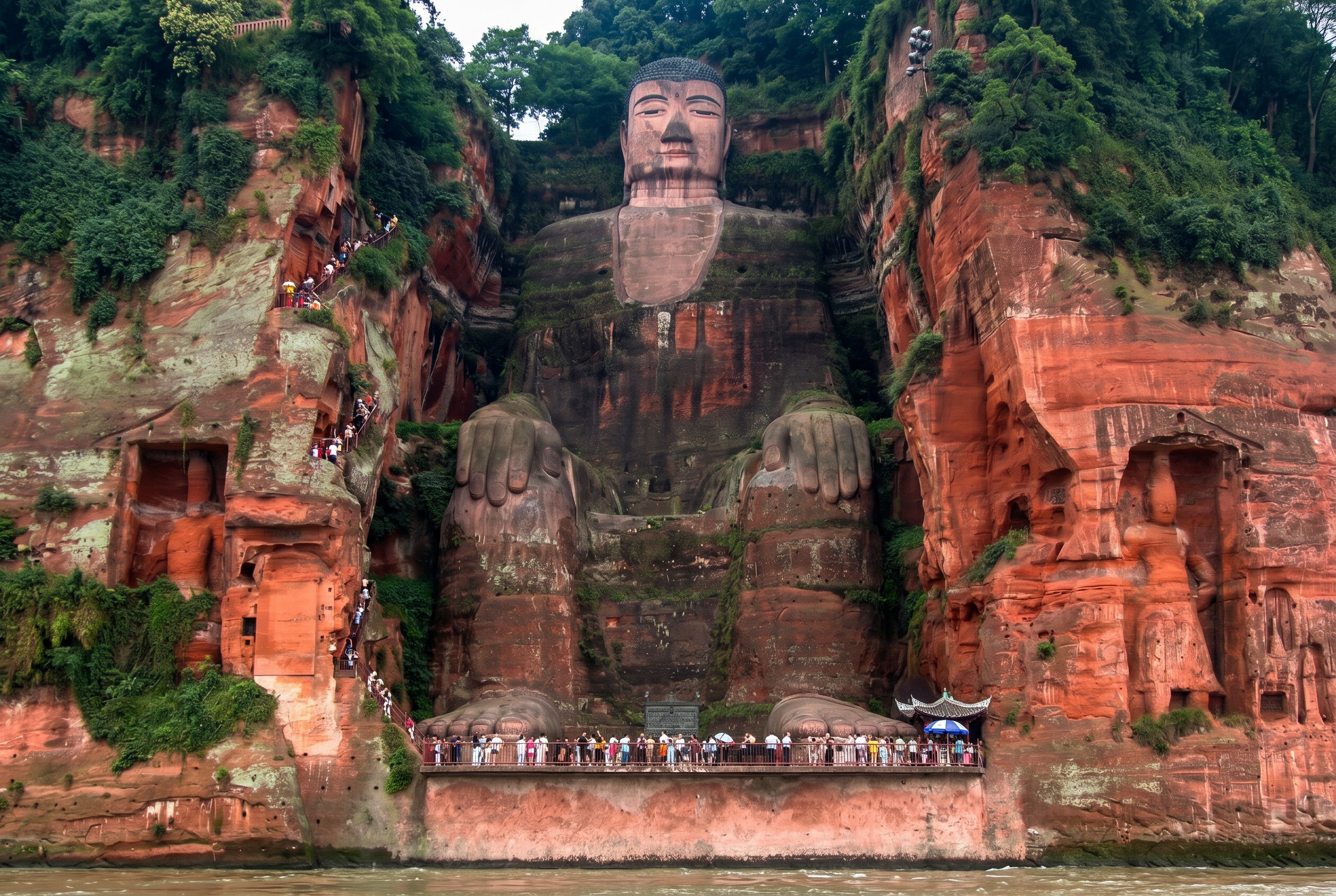
Bamboo-shaded Leshan Great Buddha, located 160km away, features the world's largest stone Buddha (71 metres). Carved into riverside cliff over 90 years (8th century), this monumental sculpture represents one of humanity's most ambitious artistic achievements. Visitors descend 217 steps to observe the feet; boat tours provide full-figure perspective. The surrounding temples, museums, and scenic areas justify full-day excursion.
Sichuan Cuisine & Culinary Traditions
Sichuan cuisine distinguishes itself through numbing sensation from Sichuan peppercorns (huajiao) combined with chilli heat. This distinctive sensory profile—called "ma la" (numbing-spicy)—permeates nearly all local dishes. Mapo Tofu, soft tofu in spiced broth, represents signature dish. Chongqing Chicken (la zi ji, spicy chicken) features wok-cooked chicken pieces with dried chillis and Sichuan peppercorns creating crispy, intensely flavoured result.
Street food culture thrives in Chengdu's night markets. Hot pot (huoguo) represents communal dining experience where diners cook raw ingredients in table-side broth; dipping sauce (typically sesame-oil based) moderates heat. Dumplings (jiaozi), wontons (huntun), and noodle specialities fill casual restaurants. The Chen Mapo Tofu restaurant, operating since 1862, preserves original recipes and techniques.
Tea culture interwoven with Chengdu's lifestyle. Teahouses (chaguan) scatter throughout neighbourhoods; locals spend entire afternoons socialising, gaming, and sipping jasmine tea. Modern cafes coexist with century-old establishments, yet traditional patterns persist. Cooking classes teaching hot pot, mapo tofu, or dumpling-making offer hands-on culinary engagement.
Contemporary Arts & Urban Renewal
Chengdu's contemporary arts scene flourished post-2000 with government initiatives supporting creative industries. The OCT Loft creative park, housed in renovated industrial spaces, concentrates galleries, studios, design workshops, and cafes. The Chengdu Contemporary Museum showcases modern and contemporary Chinese art. Artist communities in formerly industrial zones (Hehuachi area) reveal emerging cultural dynamism.
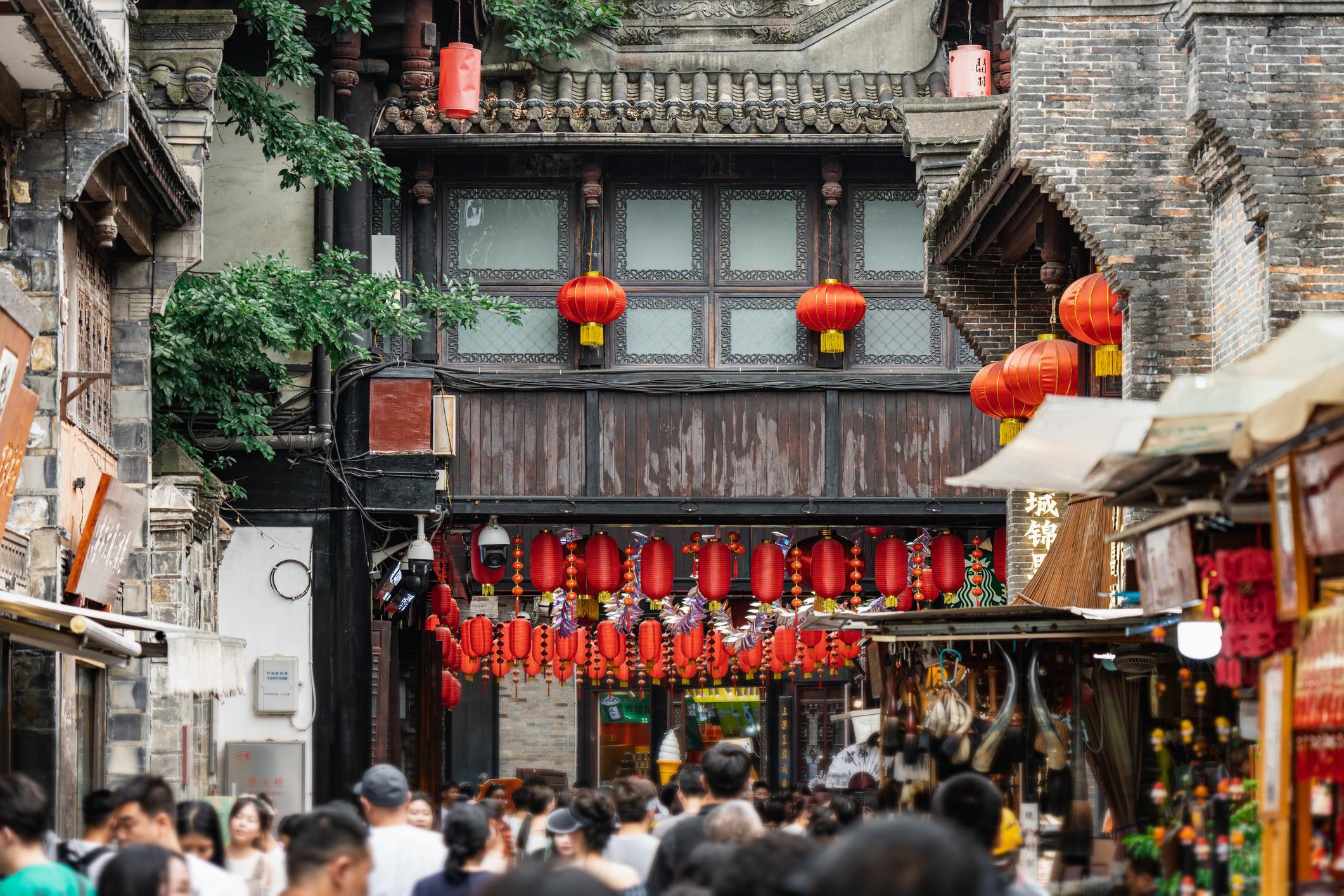
Kuanzhai Xiangzi (Wide and Narrow Alleys), restored historic alleyway complex, preserves Ming and Qing architecture whilst supporting artisan workshops, boutique shops, and teahouses. The neighbourhood exemplifies sensitive urban renewal—preserving architectural heritage whilst integrating contemporary functions. Evening explorations reveal atmospheric lighting and social ambience.
The Chengdu Design Week (annual, September-October) showcases contemporary design. Live music venues, independent film screenings, and theatrical performances occur throughout the city. The Chengdu base appeals equally to cultural tourists seeking deeper engagement than panda-focused visits alone.
Top Attractions in Chengdu
Giant Panda Base
World's largest captive panda population in naturalistic habitats; research facility and conservation centre.
Wenshu Temple
Functioning Buddhist monastery with monks, sutra library, meditation halls, and traditional tea ceremonies.
Qingyang Palace
Taoist temple with octagonal tower, cosmological architecture, and fortune-telling services.
Leshan Great Buddha
World's largest stone Buddha (71m) carved into riverside cliff; Buddhist temples and scenic area.
Kuanzhai Xiangzi Historic Alleyways
Restored Ming-Qing neighbourhood with artisan workshops, boutiques, galleries, and traditional teahouses.
Du Fu Thatched Cottage
Poet's historic residence and museum featuring classical gardens and literary collections.
Chengdu Contemporary Museum
Modern and contemporary Chinese art with rotating international exhibitions.
Night Food Markets
Street food concentration featuring Sichuan specialities, hot pot, dumplings, and local delicacies.
Chengdu Photo Gallery
Practical Information
Getting Around
Modern metro system (5 lines expanding); taxis and Didi ride-sharing ubiquitous. Chengdu Shuangliu Airport (16km) offers shuttle buses (¥25), metro line 10 (¥5, 30 minutes). High-speed trains to Beijing (12 hours), Shanghai (14 hours), Guilin (9 hours), Xi'an (5 hours). Local buses and trolleys serve city comprehensively.
Climate & Best Time
Mild year-round compared to northern China. Winters (December-February) 5-15°C, rarely freezing. Summers (June-August) 25-35°C, humid. Cloud cover frequent; sunny days less common. Spring and autumn mild and pleasant. Best time: March to May (spring, 15-25°C, flowers blooming) and September to November (autumn, 15-25°C, clear skies). December-February cool and cloudy; July-August hot and humid.
Budget
Street food ¥10-25; mid-range ¥40-120; upscale ¥150-400. Hotels: budget ¥120-280, mid-range ¥400-900, luxury ¥1200+. Attractions ¥12-90 individually.
Language & Safety
Mandarin Chinese; Sichuan dialect spoken locally. English less common than coastal cities but present in tourist areas. Translation apps helpful. Safe for tourists; neighbourhood feel compared to mega-cities. Standard urban precautions apply. Spicy food may challenge some palates; indicate heat preference.
Frequently Asked Questions
When is the best time to see pandas at the Base?
Early morning (7-8am opening) guarantees active pandas before heat causes lethargy. Cloudy mornings are better than sunny (reduces heat). Arrive 15 minutes before opening to secure early entry. Avoid peak tourist season (Chinese New Year, summer holidays) for smaller crowds.
How do I reach Leshan Buddha from Chengdu?
Located 160km south (2.5-3 hours). Hire car (¥400-600), join organised tour (¥200-300 including transport/guide), or take bus from city centre (¥30-50, 3-4 hours). Most tours combine Leshan with Mount Emei for full-day or overnight excursions.
Is Sichuan food too spicy for Western palates?
Numbing sensation differs from pure heat; many find it interesting rather than painful. Request "not spicy" (bu la) when ordering. Mild versions of dishes exist. Teahouses and tourist restaurants offer non-spicy options. Culinary adventure is rewarding for those seeking authentic flavours.
Can I hold or touch pandas?
The base permits photography but not touching for animal welfare and safety reasons. Close approach is possible in designated areas. The breeding base prioritises animal wellbeing over tourist interaction. Educational component emphasises respect for wildlife.
How long should I spend in Chengdu?
Two days minimum: one day panda base, one day temples or cultural exploration. Three days permits day trip to Leshan Buddha. Four+ days allows deeper cultural immersion, arts district exploration, and relaxed teahouse experiences. Most luxury tours allocate 2-3 days.
Recommended Reading
Continue the story with practical routes, local food, transport and the wider history of Chengdu.
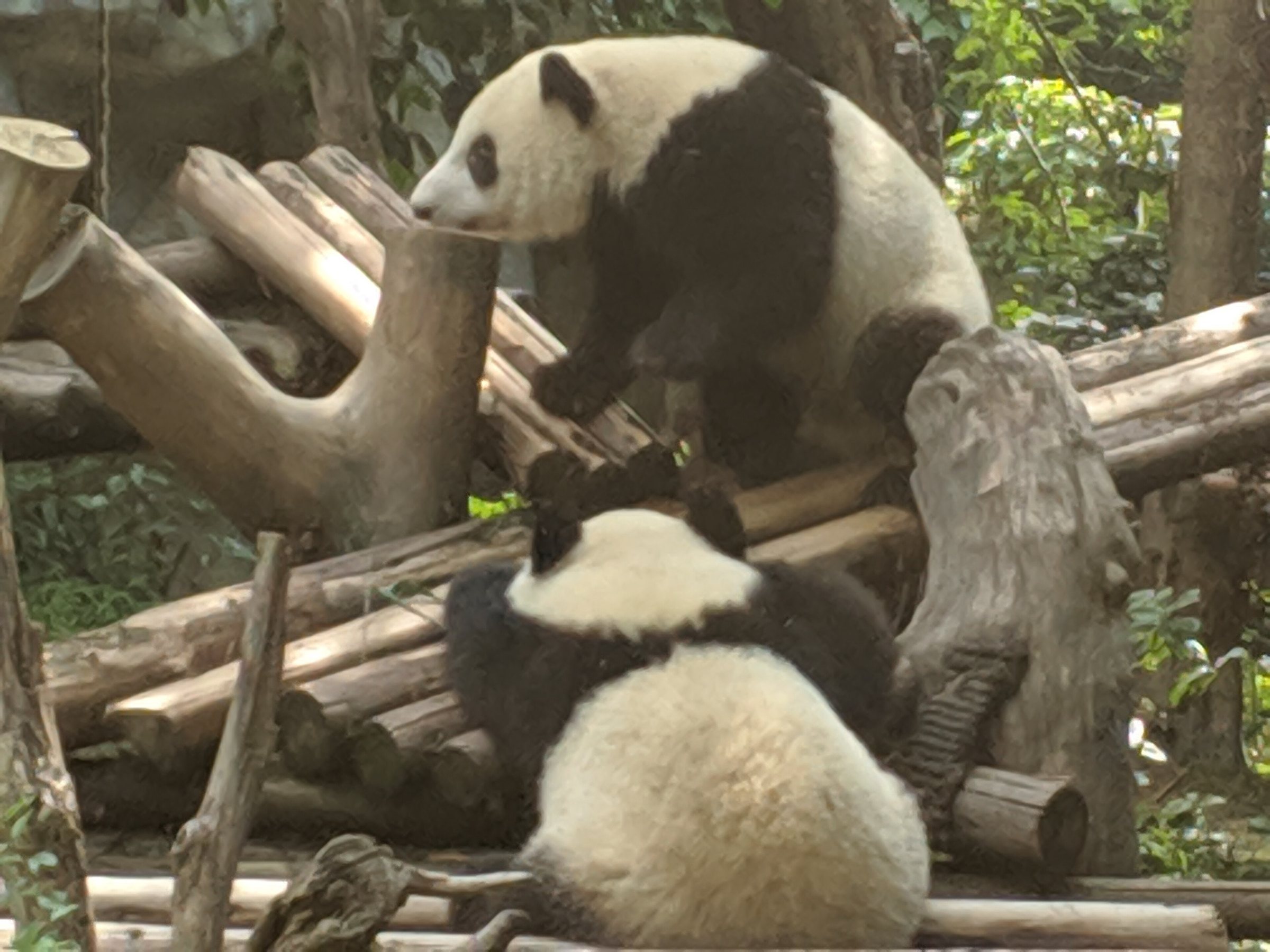
Giant Pandas in Chengdu: A Complete Guide
I’m Baker Gu — how I plan panda time in Chengdu, what I book for morning light, and the Signature experiences I add when clients ask for more than a quick look.
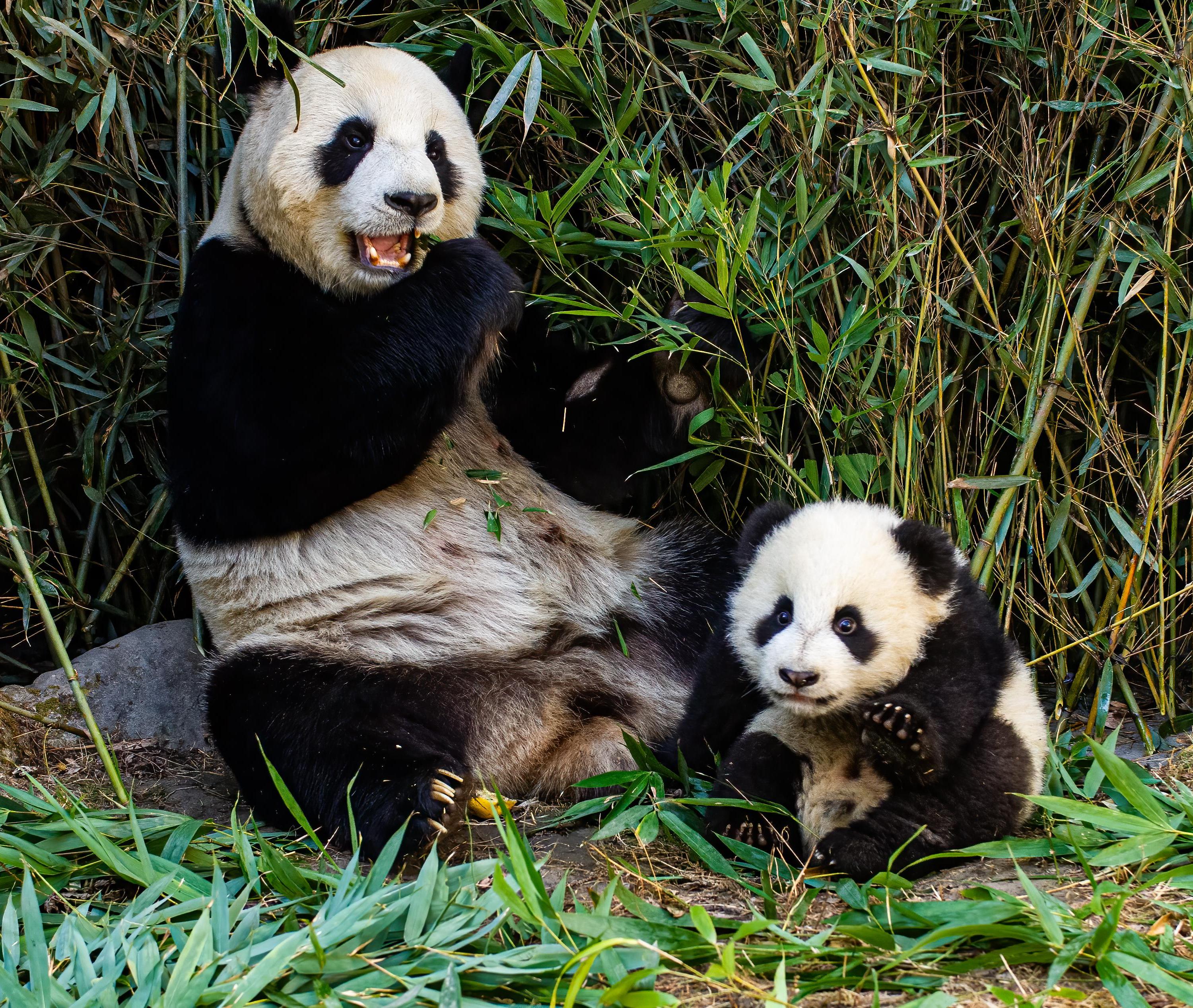
Visiting Giant Pandas in Chengdu: A Guide for New Zealand Travellers
The Chengdu Research Base of Giant Panda Breeding is the best place in the world to see giant pandas up close. Here's what to expect, the best time to visit, and how to book from New Zealand.
Chongqing vs Chengdu: Which to Visit in 2026?
Hotpot capital vs panda capital — which Sichuan-region city is right for your China trip from New Zealand? A practical comparison covering food, pace, day trips, and how long to spend in each, written for Kiwi travellers by CTS Tours NZ.