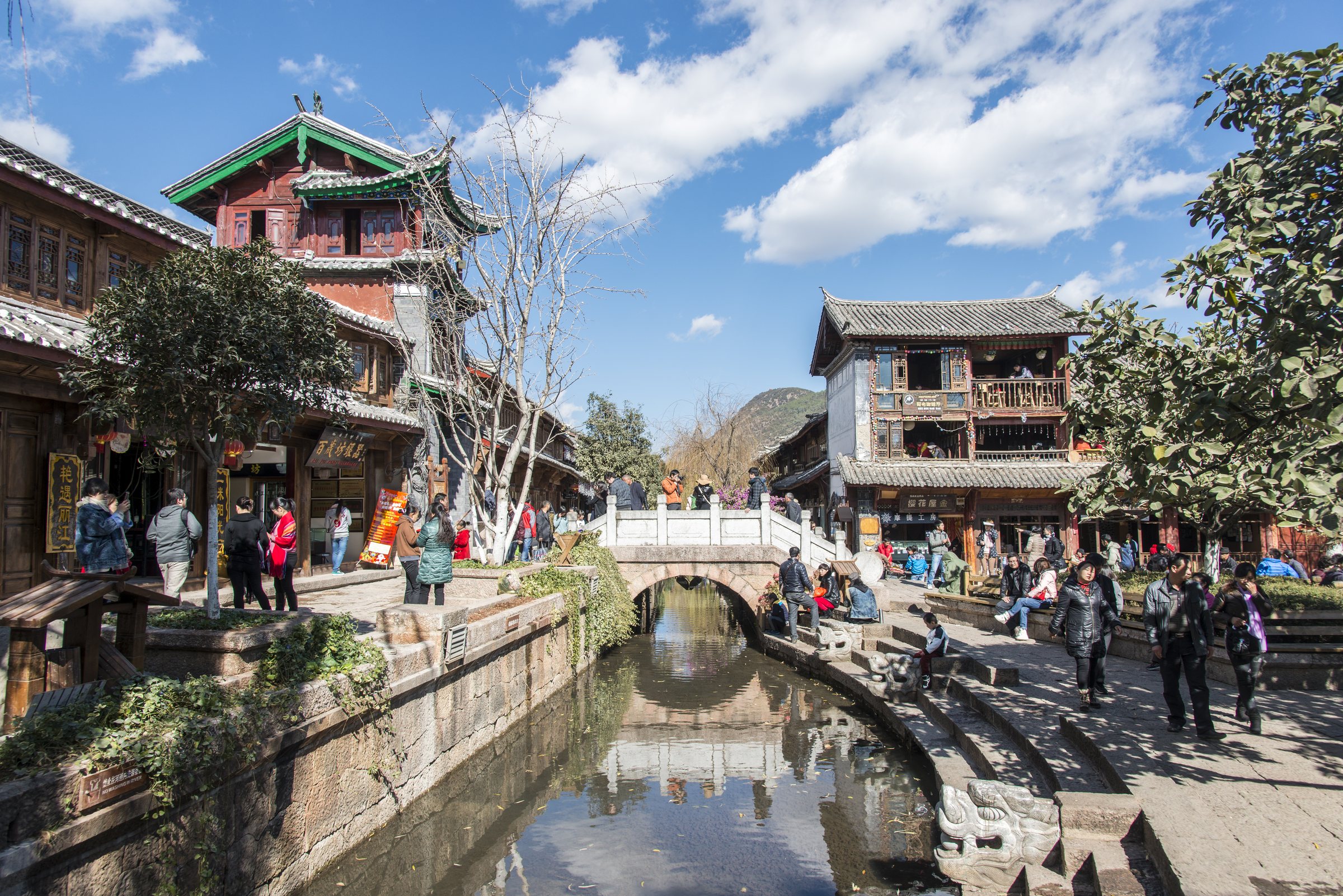
Lijiang sits on the Jinsha River at about 2,400 metres above sea level. The Naxi people have lived here for generations.
The Old Town is a UNESCO site. Narrow lanes, wooden houses, and small canals define the streetscape.
Naxi culture includes Dongba script, old music traditions, and hearty mountain food.
You can day-trip to Jade Dragon Snow Mountain and nearby villages. Hotels and cafés cater to international guests.
Many visitors stay longer than planned. The pace is relaxed, and the mountain air is clear in dry season.
Lijiang with CTS Tours
Expert-led tours. Small groups. 33+ years in China.
Naxi Culture & Living Heritage
The Naxi people, numbering approximately 340,000, developed unique cultural traditions over centuries. Their written language—Dongba script—represents one of the world's oldest surviving pictographic writing systems still in use. Dongba religion, combining elements of Tibetan Buddhism, Taoism, and indigenous shamanism, shaped cultural practices and artistic expression. The Naxi music tradition (Dongjing opera, literally "Daoist music") performed by elderly musicians preserves centuries-old compositions using traditional instruments.
Visiting a Naxi family home offers cultural immersion. Homestays permit participation in daily life: preparing traditional meals, learning about local customs, understanding household economies. Women traditionally dominated textile production; observing weaving practices reveals technical skill and artistic vision. Naxi cuisine emphasises local agriculture: mountain vegetables, preserved foods, and specialised dishes unavailable elsewhere.
The Naxi language, spoken by most residents, differs significantly from Mandarin. Learning basic phrases enhances interactions. Translation apps permit communication; locals appreciate language learning efforts. Museums—particularly the Naxi Dongba Archaeology Museum—preserve cultural knowledge through artefacts, manuscripts, and research presentations.
Jade Dragon Snow Mountain
Jade Dragon Snow Mountain (Yulong Snow Mountain), elevation 5,596 metres, dominates the landscape north of Lijiang. The peak—visible from town on clear days—holds spiritual significance in Naxi cosmology. The mountain's sacred status restricted climbing historically; contemporary access remains limited to cable car sections and lower hiking routes respecting cultural beliefs.
The Glacier Cable Car ascends to 4,680 metres, permitting glacier viewing. The 15-minute cable car ride offers spectacular panoramic vistas as elevation increases. The glacier, receding due to climate change, remains impressive despite reduced mass. The high altitude creates physiological challenges; visitors should rest before and after cable car rides. Clear weather essential for views; morning visits increase clarity probability.
Lower cable cars access 3,000-3,200 metre zones featuring mountain meadows and forest hiking. The Spruce Meadow offers moderate walking routes through alpine vegetation. Guides provide interpretation of alpine ecology and Naxi sacred mountain traditions.
Naxi Music Performances & Arts
Elderly Naxi musicians perform traditional Dongjing opera most evenings in concert halls throughout Old Town. These performances—typically 60-90 minutes—feature 15-20 musicians playing traditional instruments. The compositions, passed through generations without written notation, represent living musical heritage. Audience members sit close to performers, creating intimate concert experience.
Modern art initiatives coexist with traditional practices. Contemporary galleries display Naxi and international artists' works. Calligraphy studios teach Dongba script (pictographic writing) to interested visitors. Photography exhibitions document historical Lijiang and contemporary Naxi life. The arts scene blends traditional knowledge preservation with contemporary creative expression.
Top Attractions in Lijiang
Lijiang Old Town
UNESCO World Heritage walled town with Naxi architecture, water channels, and cultural heritage.
Jade Dragon Snow Mountain
Sacred 5,596m peak with cable cars to glacier; Naxi spiritual significance.
Naxi Music Concerts
Elderly Naxi musicians performing traditional Dongjing opera; living heritage performances.
Mu Residence
Historic Naxi merchant mansion with elaborate gardens; architectural masterpiece.
Black Dragon Pool
Scenic garden with Jade Dragon reflection; temple and walkways.
Lijiang Photo Gallery
Practical Information
Getting Around
Lijiang Sanyi Airport (28km) serves regional and national flights. Airport shuttle (¥20) or taxi (¥60-80) to town. High-speed trains to Kunming (10 hours); express buses to surrounding towns. Within Lijiang, walking Old Town primary; taxis for longer distances.
Climate & Best Time
Mountain elevation (2,400m) creates mild climate. Winters (December-February) cool (5-15°C), occasionally freezing. Summers (June-August) warm (15-25°C). Spring and autumn mild. Rainy season May-October. Best time: April-May (spring, flowers, mild) and September-November (autumn, clear skies, harvest). December-February cool but clear; July-August warm and rainy.
Budget
Budget meals ¥20-50; mid-range ¥60-150; upscale ¥150-300+. Accommodation: budget ¥80-180, mid-range ¥250-500, luxury ¥700+. Attractions ¥30-105 individually.
Language & Safety
Mandarin and Naxi spoken; English present in tourist areas, hotels. Translation apps helpful. Safe town with low crime; relaxed atmosphere. Altitude may affect some visitors; allow acclimatisation day. Mountain activities require reasonable fitness.
Frequently Asked Questions
How many days should I spend in Lijiang?
Minimum 2 days explores Old Town and basic cultural sites. Three days permits Jade Dragon Mountain visit plus cultural immersion. Four+ days allows deeper exploration, villages, and relaxed pace.
Is the Jade Dragon cable car safe at high altitude?
Cable cars are safe; altitude effects are primary concern. Breathlessness, headaches, fatigue common above 4,000m. Rest before and after cable car; descend if symptoms severe. Medical facilities available in Lijiang.
Can I experience Naxi culture authentically?
Homestays offer genuine cultural immersion. Performances are commercial yet performed by knowledgeable practitioners. Museums and guides provide context. Respectful engagement valued by community; language learning efforts appreciated.
What are the best Naxi souvenirs?
Dongba art (pictographic paintings), traditional textiles, silverwork, tea. Purchase from artisans directly or established shops. Avoid mass-produced tourist items; seek authentic craftsmanship.
Recommended Reading
Continue the story with practical routes, local food, transport and the wider history of yunnan.
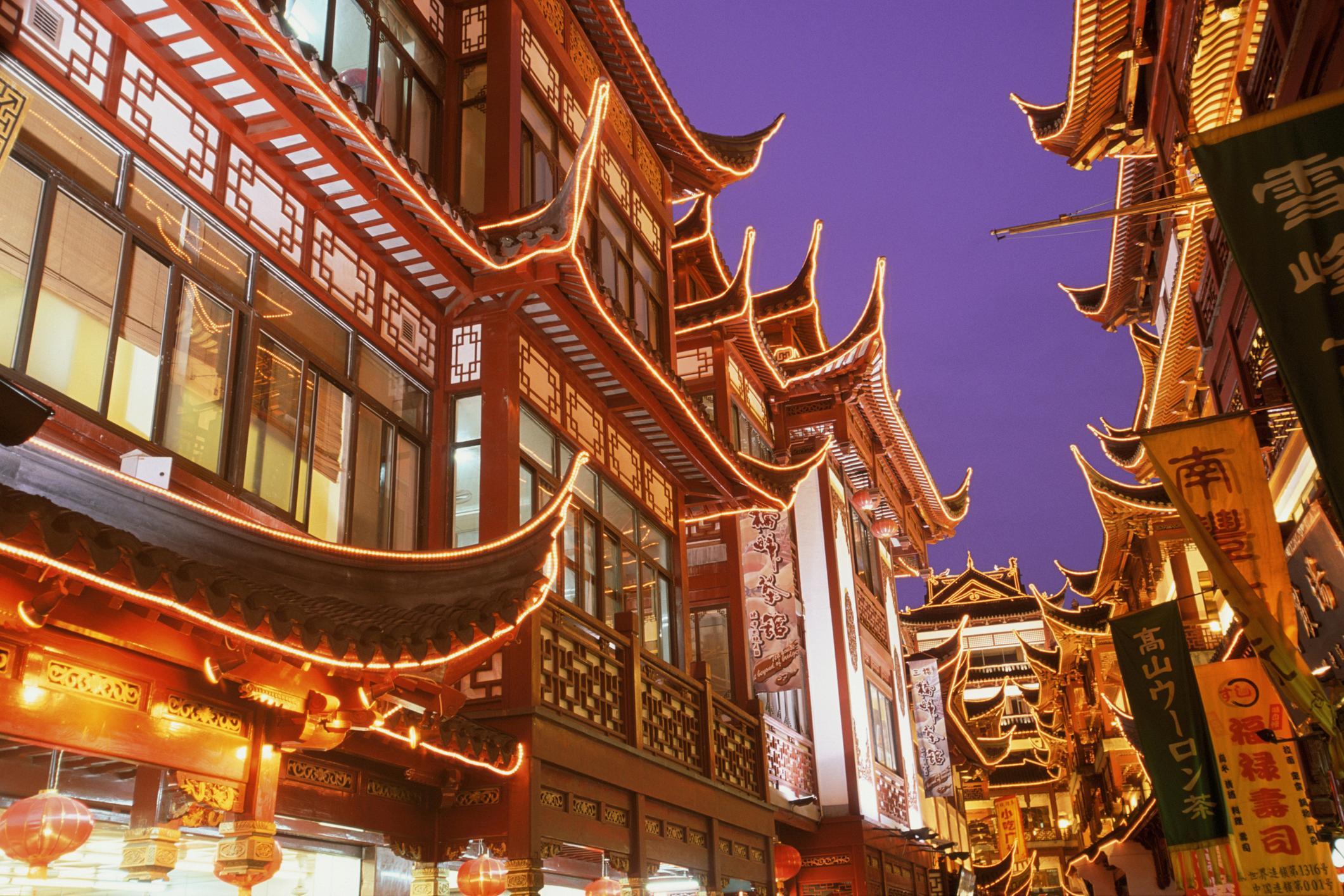
Chinese Tea Culture: A Journey Through the Leaf
I’m Baker Gu — tea is how I slow clients down in China; here’s how I read the six great teas and where I take you on tour.
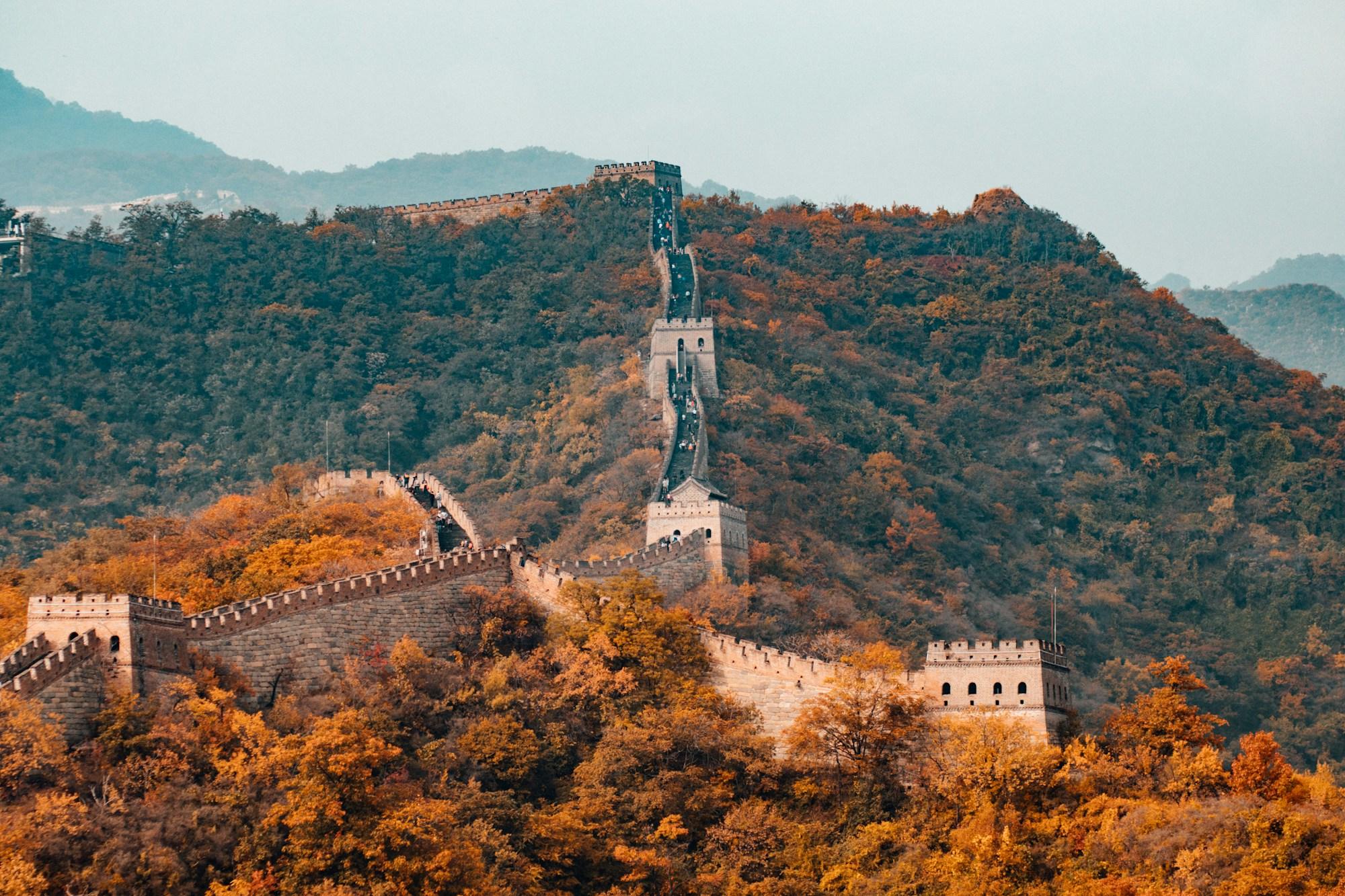
Best Time to Visit China: Seasonal Weather & Crowds
I’m Baker Gu — how I pick months for Kiwis: north vs south weather, Golden Week reality, and when I’d pay more to avoid a bad week.
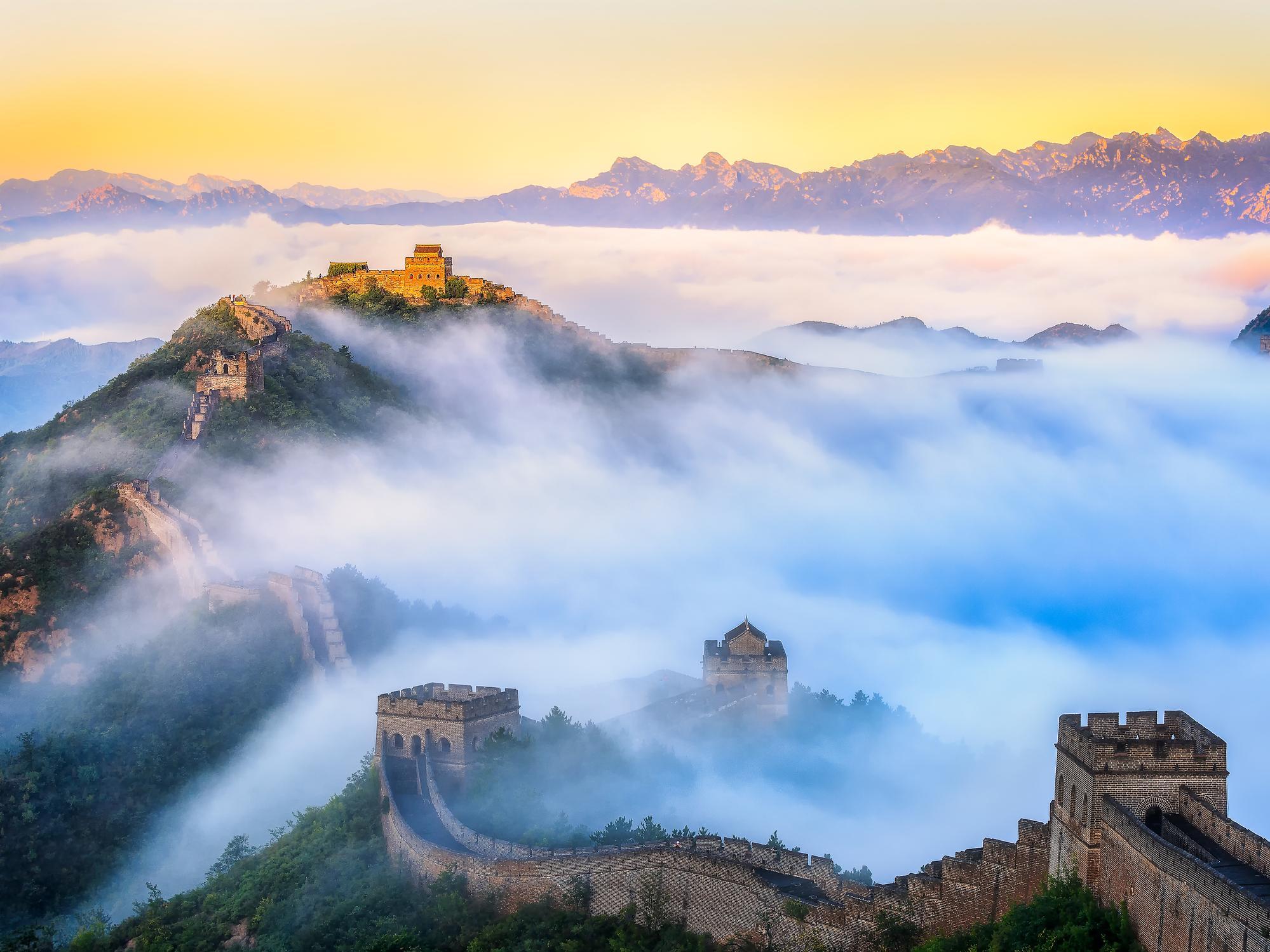
Photography Guide to China: Best Locations & Hidden Gems
I’m Baker Gu — field notes for photographers: light, lenses, drone reality, and the side gates I ask guides to use so you’re not fighting busloads.