Yunnan is in southwest China. Twenty-five ethnic groups are officially recognised here. Landscapes range from steamy valleys to snowy peaks.
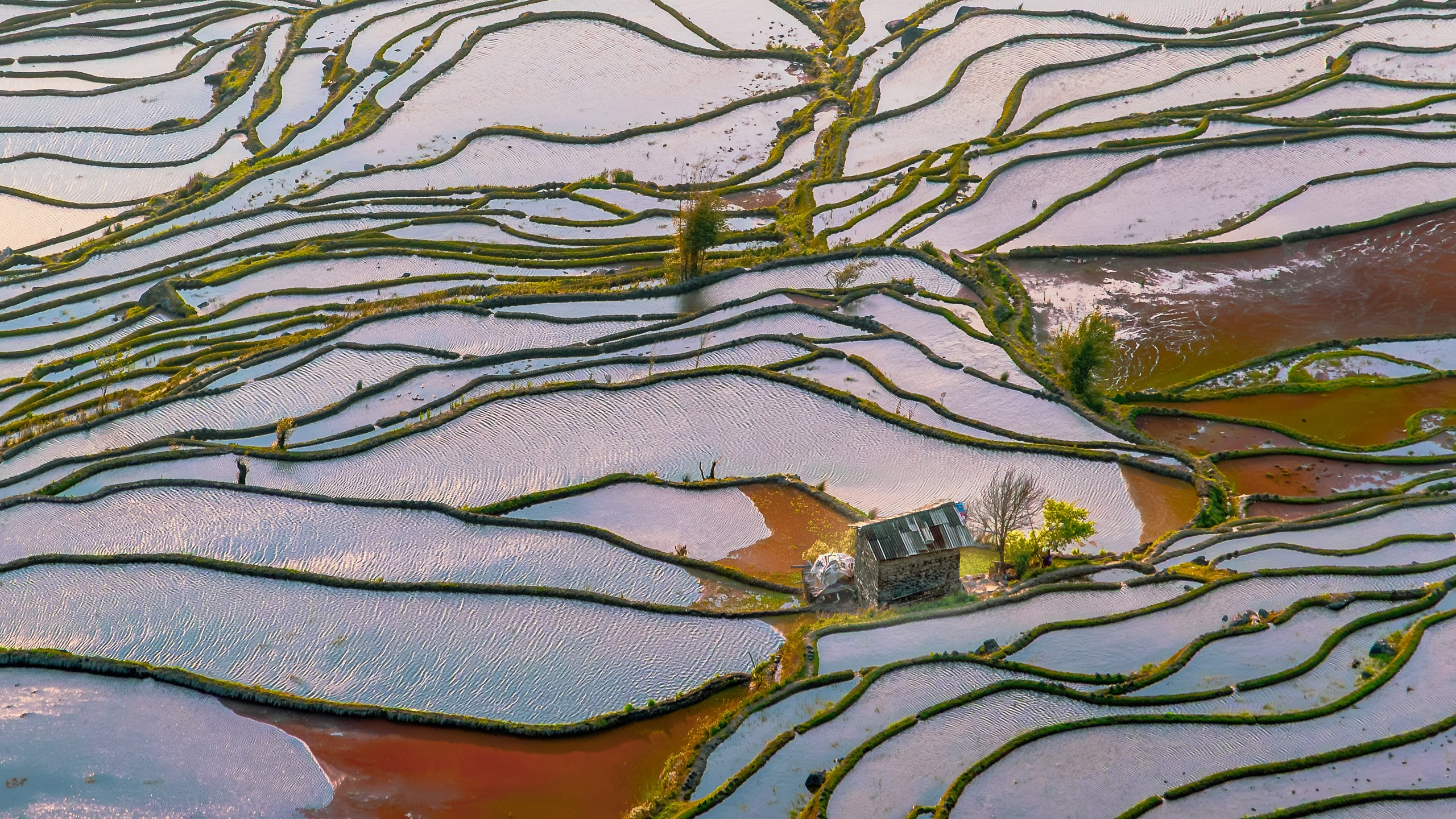
The province name means "South of the Clouds." Rice terraces, stone forests, and old towns sit within a few hours of each other.
Kunming is the capital. Locals call it the "City of Eternal Spring" for its mild weather.
Dali, Lijiang, and Shangri-La are the best-known stops. Each has its own culture, food, and pace.
You can fly into Kunming and join trains or coaches between towns. One week covers highlights; two weeks allow villages and treks.
For New Zealand travellers, Yunnan suits slow travel, photography, and food-focused trips.
Yunnan with CTS Tours
Expert-led tours. Small groups. 33+ years in China.
Stone Forest & Geological Wonders
The Stone Forest (Shilin), located 80km southeast of Kunming, comprises labyrinthine limestone formations creating an underground landscape above ground. The karst peaks—some reaching 40 metres—create narrow passages, natural arches, and dramatic shadows. UNESCO recognised the area as World Heritage site, acknowledging both geological and cultural significance. Archaeological evidence suggests human habitation spanning millennia.
The scenic area permits multiple exploration routes of varying difficulty. Guided tours (¥80-120) provide geological context and navigate the maze-like landscape efficiently. Independent exploration permits flexibility but requires careful navigation. Paths are well-marked; most visitors spend 3-4 hours traversing main features. The Yi ethnic minority's presence (Yi people historically inhabited surrounding areas) adds cultural layer to geological spectacle.
Sani cultural performances occur nightly, demonstrating Yi tradition song, dance, and costume. The performances commercialise culture somewhat, yet practitioners maintain authentic knowledge and pride in heritage. Torch-lit evening walks through the stone forest create atmospheric experiences distinct from daytime visits.
Dali & Ancient South Silk Road
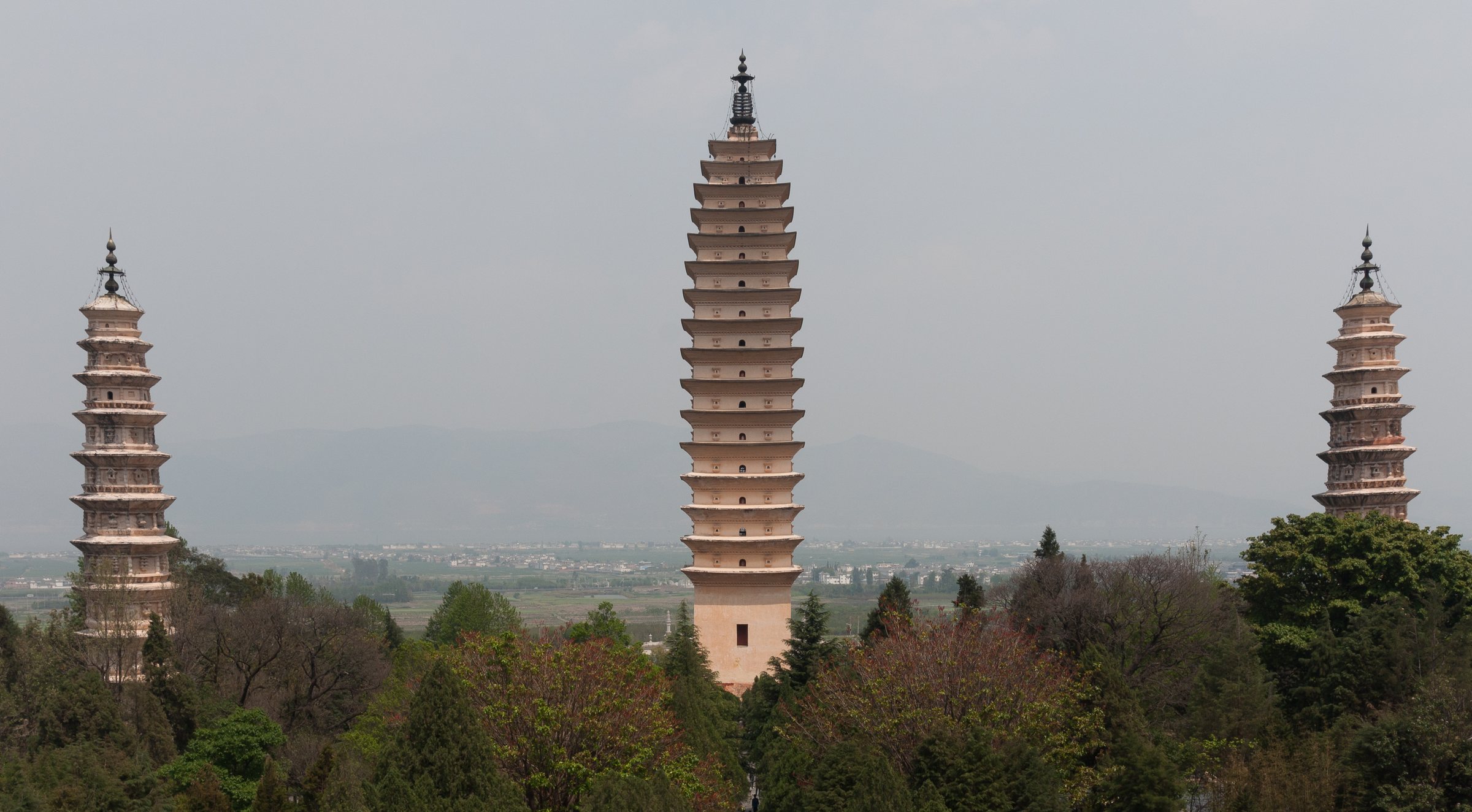
Dali, ancient capital of the Nanzhao Kingdom (738-1095 AD), retains archaeological and architectural significance. The walled Old Town preserves Ming and Qing architecture, with cobblestone streets, whitewashed buildings, and ornate wooden gates reflecting Bai ethnic architectural traditions. The Three Pagodas, original dating to Tang Dynasty, dominated Dali's skyline for centuries; recent restoration preserves architectural heritage.
The town functions as cultural crossroads on the ancient South Silk Road. Historically, merchants, pilgrims, and adventurers traversed Dali en route between Tibet, Burma, India, and coastal China. Modern Dali witnesses tourism flowing in similar patterns—backpackers, academics, and spiritual seekers congregate in Old Town cafes discussing travels and discoveries. This contemporary pilgrimage energy echoes historical commercial dynamism.
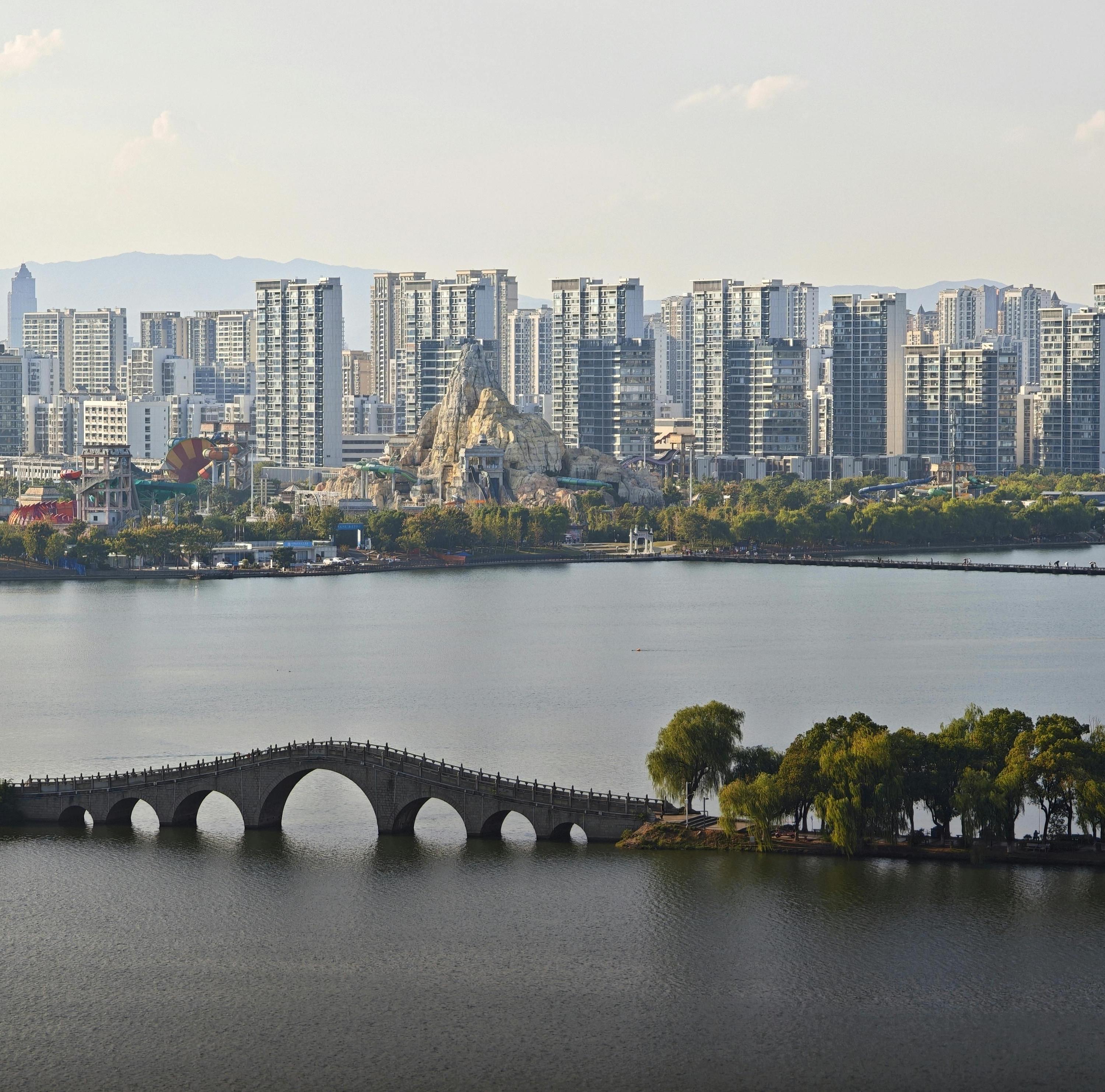
Erhai Lake, adjacent to Dali, provides water recreation, scenic walks, and small island temples. Cycling around the lake (full circuit 130km; section cycling popular) offers rural landscape immersion. Fishermen's villages on lake periphery maintain traditional net-casting techniques. Evening light across the lake creates photogenic conditions; sunrise over mountains equally dramatic.
Lijiang & Naxi Heritage
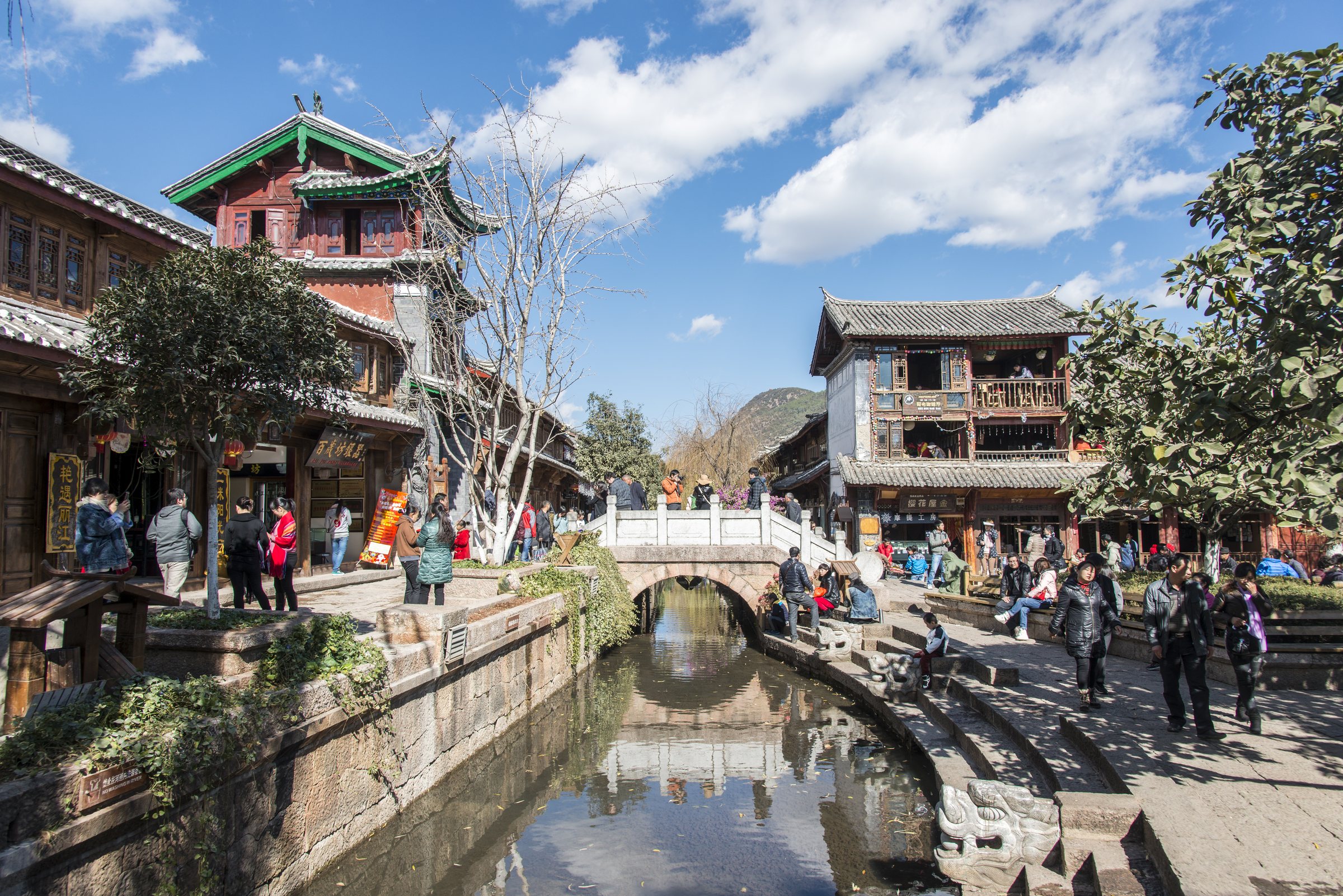
Lijiang, ancient town on the north bank of the Jinsha River (Yangtze upper course), preserves Naxi ethnic cultural heritage. The Old Town (UNESCO World Heritage site) features distinctive architecture: no walls (unusual for Chinese towns), wooden structures with intricate carvings, water channels integrated throughout. The Naxi people, unique ethnic group inhabiting this region, developed their own written language (Dongba script), music, and cultural traditions.
The town's layout reflects feng shui principles and practical water management (channels provide firefighting capability, as demonstrated by 1996 fire that destroyed much of neighbouring Dukezong Town but spared Lijiang). Walking the narrow lanes reveals courtyard gardens, shops selling traditional crafts, restaurants serving Naxi cuisine, and spiritual shrines. The atmosphere blends tourism infrastructure with genuine cultural practice.
Mu Residence exemplifies Naxi wealthy merchant architecture; the compound spans an entire city block with elaborate gardens and ceremonial halls. Black Dragon Pool garden offers reflection views of the Jade Dragon Snow Mountain. The Naxi music and dance tradition (Dongjing opera) performed by elderly Naxi musicians continues in evening performances, preserving cultural knowledge.
Shangri-La & Tibetan Culture
Shangri-La (formerly Zhongdian), elevation 3,276 metres, serves as primary Yunnan hub for Tibetan cultural exploration. The town functions as regional capital for Tibetan communities spanning Yunnan, Sichuan, and Tibet. Songzanlin Temple, Tibet's largest lamasery outside Tibet, dominates the landscape with golden roofs visible for kilometres. The monastery houses approximately 700 monks maintaining active religious practice.
Debating monks at Songzanlin Temple provide insights into Buddhist philosophical training. Visitors can observe afternoon debating sessions (weather permitting) where monks engage in rapid-fire philosophical discourse with physical gestures emphasising points. The monastic library preserves thousands of Tibetan Buddhist texts; workshops permit observation of thangka painting and manuscript illumination.
Surrounding Shangri-La, Tibetan villages maintain traditional life patterns. Homestays permit cultural immersion: participating in daily activities, sharing meals, learning about pastoral economies and spiritual practices. Meili Snow Mountain, viewed from Shangri-La region, represents sacred peak in Tibetan Buddhism; pilgrims circumambulate the mountain circuit (3-5 days) seeking spiritual advancement.
Yunnan Cuisine & Cultural Diversity
Yunnan cuisine reflects provincial diversity: influences from Sichuan spiciness, Southeast Asian herbs, Tibetan butter tea, and local agricultural abundance. Yunnan rice noodles (mixian across the province), prepared across the province with regional variations, represent iconic dishes. Cross-bridge noodles (guo qiao mi xian), originating in Yunnan, feature raw ingredients accompanying hot broth that cooks ingredients at table.
Ethnic minority cuisines remain integral to Yunnan dining: Dai people's bamboo-wrapped sticky rice and herbs; Bai people's unique cheeses and preserved vegetables; Tibetan butter tea and barley bread; Hani people's smoked meats and forest herbs. Local markets overflowing with fresh produce, preserved goods, and foraged items indicate agricultural richness. Cooking classes in Dali and Lijiang teach traditional preparation techniques.
Tea culture pervades Yunnan; the province produces significant pu-erh tea traded across China and globally. Tea tastings, visits to tea factories, and participation in tea ceremonies provide educational experiences. Many hotels and guesthouses maintain tea rooms where guests learn proper brewing techniques and tea appreciation.
Top Attractions in Yunnan
Stone Forest (Shilin)
UNESCO limestone formations maze; geological marvel and Yi cultural landscape.
Dali Old Town
Ancient walled town preserving Ming-Qing architecture and Bai culture.
Three Pagodas (Dali)
Tang Dynasty towers restored; iconic Dali skyline structures with cultural history.
Erhai Lake
Scenic mountain lake adjacent to Dali; cycling, boating, fishing village culture.
Lijiang Old Town
UNESCO World Heritage walled town preserving Naxi architectural heritage.
Mu Residence (Lijiang)
Historic Naxi merchant mansion with gardens; architectural and cultural significance.
Songzanlin Tibetan Buddhist Temple
Tibet's largest lamasery outside Tibet; 700 monks, debate sessions, cultural centre.
Meili Snow Mountain
Sacred Tibetan peak; pilgrimage site with trekking opportunities and mountain vistas.
Yunnan Photo Gallery
Practical Information
Getting Around
Kunming Changshui International Airport connects to major cities (Beijing 3.5 hours, Shanghai 2.5 hours, Bangkok 3 hours). City has metro system; taxis/Didi ubiquitous. High-speed trains to Chengdu (6 hours), Beijing (12 hours). Regional travel relies on buses and hired vehicles; road infrastructure generally good. Lijiang and Shangri-La have airports; bus networks connect towns.
Climate & Best Time
Subtropical to temperate depending on elevation. Kunming mild year-round (10-25°C). Lijiang (2,400m elevation) cool (5-20°C); Shangri-La (3,276m) cold (-5 to 15°C). Rainy season May-October; dry season November-April. Yunnan remains most temperate province year-round. Best time: March to May (spring, flowers, mild weather) and September to November (autumn, clear skies, harvest season). December-February cool but clear; July-August warm and rainy.
Budget
Street food ¥10-30; mid-range ¥40-120; upscale ¥120-300+. Accommodation: budget ¥80-200, mid-range ¥250-600, luxury ¥800+. Attractions ¥75-130 individually. Yunnan generally less expensive than coastal provinces.
Language & Safety
Mandarin Chinese; regional dialects spoken locally. English present in Kunming, Dali, Lijiang tourist areas; less common in Shangri-La and villages. Translation apps essential for independent travel. Generally safe for tourists; standard urban and rural precautions apply. Higher elevations (Shangri-La) may cause altitude effects. Road travel sometimes challenging in monsoon season. Remote villages extremely safe with strong hospitality traditions.
Frequently Asked Questions
How many days should I spend in Yunnan?
Minimum 5-6 days covers Kunming, Dali, Lijiang basics. Week-long itinerary adds Shangri-La or Stone Forest. 2-week trip permits comprehensive exploration: Stone Forest, Dali (2 days), Lijiang (2 days), Shangri-La (2 days), trekking. Extended stays (3+ weeks) allow deep cultural immersion and remote village visits.
Should I hire a guide in Yunnan?
Guides highly beneficial for cultural context and language bridging. Local guides in Dali/Lijiang affordable (¥200-400 daily). Professional guides from cities cost more but offer historical depth. Many tours include guides; independent travellers can arrange through hotels or tour agencies.
What's the altitude concern in Shangri-La?
Shangri-La (3,276m) causes altitude effects for some visitors: headaches, breathlessness, fatigue. Acclimatisation requires first day rest, light activity. Stay hydrated, avoid alcohol. Pre-trip acclimatisation in Dali (1,900m) or Lijiang (2,400m) helpful. Serious altitude concerns warrant skipping Shangri-La or flying directly.
Can I visit multiple Yunnan towns in one trip?
Yes; regular bus connections link Kunming, Dali, and Lijiang (9-12 hours total travel). Most itineraries follow Kunming → Dali → Lijiang → Shangri-La sequence. High-speed rail connects Kunming to surrounding cities, reducing travel time. 10-14 days permits comfortable multi-town exploration.
What are traditional Yunnan souvenirs?
Pu-erh tea (quality varies; purchase from reputable sellers), Naxi handicrafts and clothing, Bai silverwork, Tibetan thankas and crafts, locally-produced textiles. Old Town Dali and Lijiang feature numerous artisan shops; negotiate prices at markets. Avoid tourist-trap quality; seek authentic craftsmanship.
Recommended Reading
Continue the story with practical routes, local food, transport and the wider history of Yunnan.

Chinese Tea Culture: A Journey Through the Leaf
I’m Baker Gu — tea is how I slow clients down in China; here’s how I read the six great teas and where I take you on tour.
Why the Silk Road Should Be Your Next Adventure
I’m Baker Gu — here’s why I still believe the Silk Road belongs on your list, and how I design our Signature route through China’s western frontiers.

Photography Guide to China: Best Locations & Hidden Gems
I’m Baker Gu — field notes for photographers: light, lenses, drone reality, and the side gates I ask guides to use so you’re not fighting busloads.