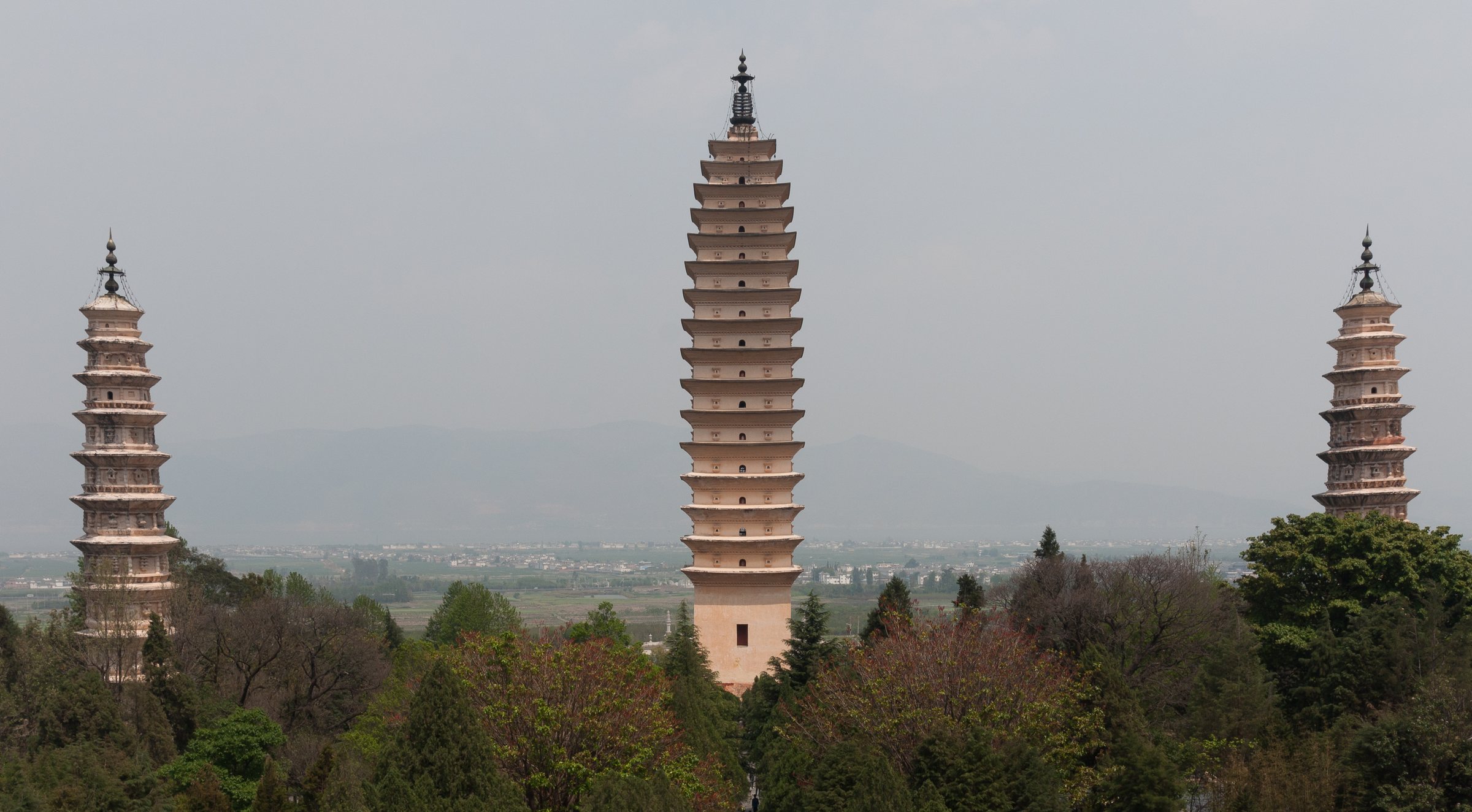
Dali served as capital of the Nanzhao Kingdom (738-1095 AD), a powerful state controlling southwestern China, parts of Burma, and Tibet. The kingdom's merchants, diplomats, and monks traversed the South Silk Road, bringing goods, ideas, and religions to this mountain valley. The Three Pagodas, visible across the valley, stand as physical testament to centuries of religious, political, and commercial importance.
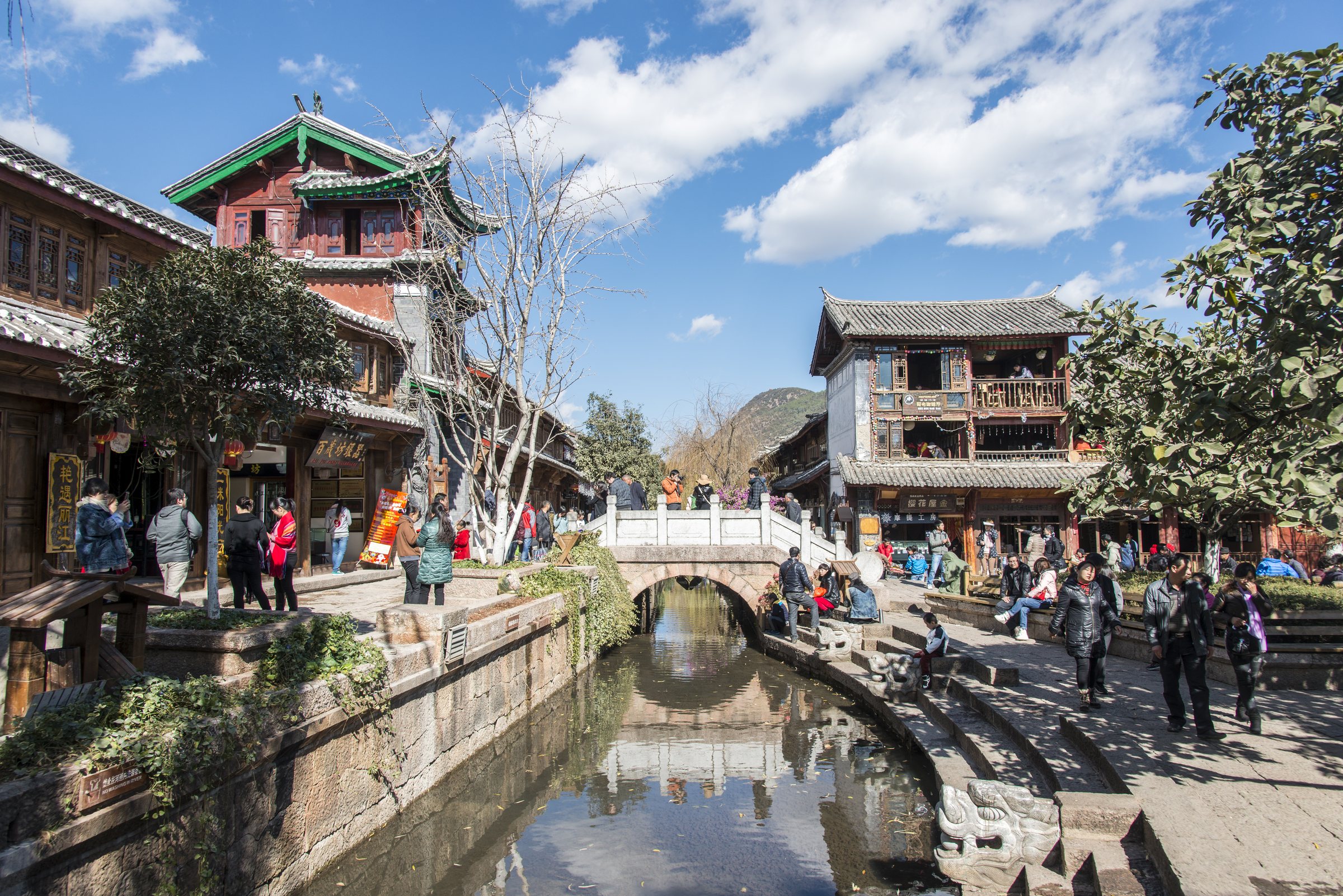
The modern town preserves Ming and Qing architecture within the walled Old Town. Bai ethnic people, numbering approximately 1.9 million and concentrated in Yunnan's Dali area, maintain distinctive cultural practices: traditional clothing, handicrafts, and architectural conventions visible throughout the town. Whitewashed buildings with dark tile roofs, ornate wooden doors, and intricate carvings reflect Bai aesthetic preferences.
Dali functions as Yunnan hub within broader itineraries. The town's central location (accessible from Kunming 6 hours, Lijiang 3 hours) makes it ideal midpoint for multi-destination tours. Erhai Lake and surrounding villages offer day-trip possibilities; architectural heritage and cultural experiences reward extended stays.
Dali with CTS Tours
Expert-led tours. Small groups. 33+ years in China.
Three Pagodas & Nanzhao Legacy
The Three Pagodas (Chongsheng Three Pagodas) comprise the central 16-metre-tall tower flanked by two smaller structures. Built during the Nanzhao era (9th century) and reconstructed multiple times, the pagodas represent architectural continuity across centuries. Recent restoration preserved historical character whilst enabling structural stability. The complex hosts a museum explaining political, religious, and architectural history.
Reflections of the pagodas in the adjacent pool create iconic photography opportunity. Sunrise and sunset light enhance photogenic qualities. The surrounding temple grounds feature walking paths and meditation spaces. The site offers cultural context for understanding Dali's historical significance in southwestern Chinese history.
Erhai Lake & Regional Life
Erhai Lake, Yunnan's second-largest lake, stretches north-south adjacent to Dali. The 130-kilometre shoreline features villages, fishing communities, and agricultural areas. Cycling around the lake offers rural immersion; partial circuits suit time-limited visitors. Fishermen's villages maintain traditional net-casting techniques; early morning sessions photographically dramatic. Island temples reached by boat provide spiritual exploration.
Top Attractions in Dali
Three Pagodas
Tang Dynasty structures; iconic Dali skyline symbol with museum.
Dali Old Town
Walled town preserving Bai architecture and cultural heritage.
Erhai Lake
Mountain lake with fishing villages and scenic cycling routes.
Bai Silver Workshop
Traditional silverwork studio; observation and purchase options.
Dali Photo Gallery
Practical Information
Getting Around
Bus from Kunming (6 hours) or Lijiang (3 hours). Within Dali, walking Old Town primary. E-bikes and bicycles rental for Erhai Lake exploration.
Climate & Best Time
Subtropical mountain; cool winters (5-15°C), warm summers (20-28°C). Spring and autumn mild. Best time: April-May and September-November for weather.
Budget
Budget meals ¥15-40; accommodation ¥80-250; attractions ¥75.
Language & Safety
Mandarin; Bai dialect spoken. English in tourist areas. Safe town; standard precautions apply.
Frequently Asked Questions
How many days in Dali?
2-3 days for Old Town and Three Pagodas; 4+ days permit Erhai Lake exploration and villages.
Best Dali souvenirs?
Bai silver jewellery, tie-dye textiles, pu-erh tea, local ceramics.
Can I visit both Dali and Lijiang?
Yes; 3 hours between towns. Combined Dali-Lijiang trips require 4-5 days minimum.
Is Bai culture distinct?
Yes; unique architecture, textiles, silverwork, cuisine distinguish Bai from other ethnic groups.
How do I reach Erhai Lake?
Bicycle rental from Old Town (¥15-25 daily). Partial lake cycling accessible; full circuit 130km.
Recommended Reading
Continue the story with practical routes, local food, transport and the wider history of yunnan.
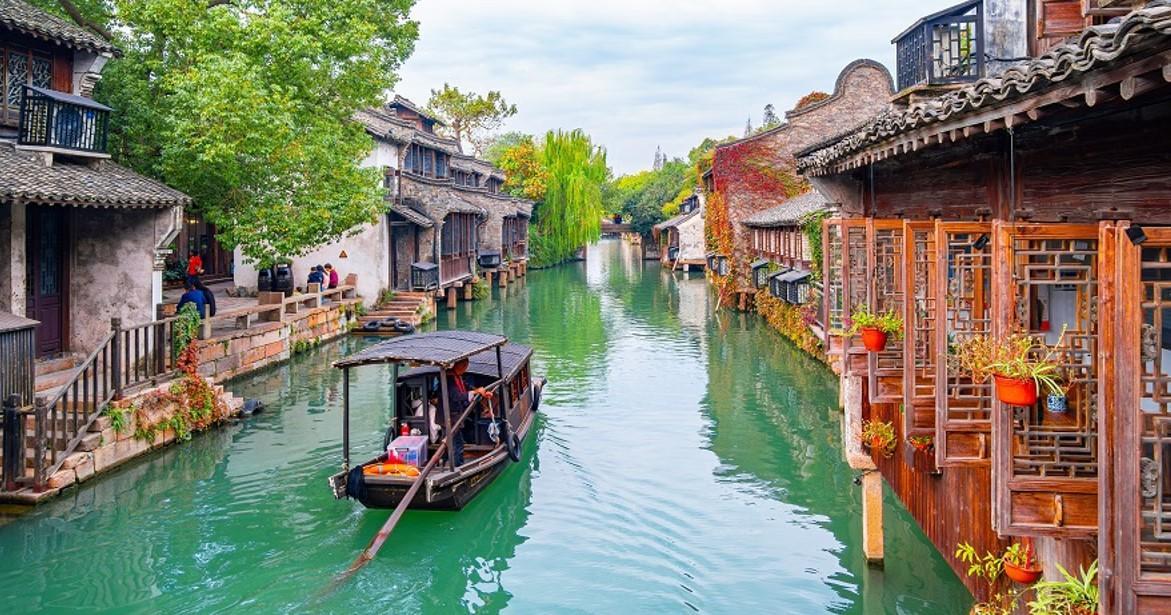
Suzhou & Wuxi: China's Ancient Water Towns Guide
The Jiangnan water towns — canal cities, classical gardens, silk culture, and West Lake — are a different China from Beijing and Xi'an. Here's what makes them special and how to experience them from New Zealand.
Chinese Tea Culture: A Journey Through the Leaf
I’m Baker Gu — tea is how I slow clients down in China; here’s how I read the six great teas and where I take you on tour.
What to Pack for China: Complete Packing List by Season
I’m Baker Gu — the packing list I give Kiwi clients before they fly: layers, adapters, meds, culture-smart bits, and how I keep bags light for long China legs.