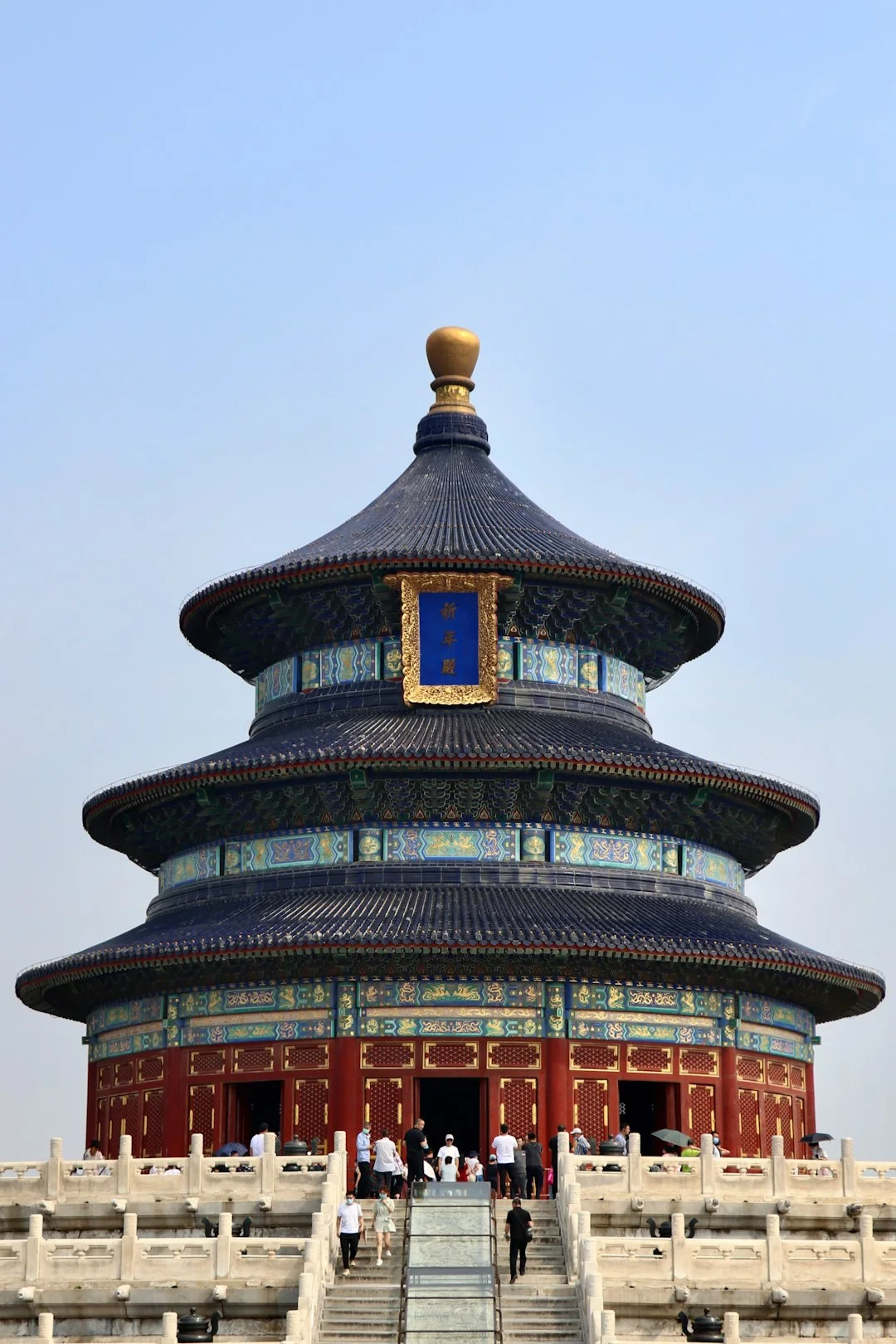
The Temple of Heaven is one of Beijing's most recognisable landmarks, but the experience is larger than its famous blue-roofed hall. The complex was designed for imperial ceremonies that connected the emperor, the harvest and the order of the cosmos. Its axial paths, circular terraces and cypress groves make the ideas behind the architecture easy to feel even before you know the history.
For travellers, the best visit combines the ceremonial buildings with the surrounding park. Arrive in the morning to see local residents practising tai chi, dancing, playing music and gathering beneath the trees, then continue through the Hall of Prayer for Good Harvests, Imperial Vault of Heaven and Circular Mound Altar. Allow at least two hours, and longer if you enjoy architecture or photography.
Temple of Heaven with CTS Tours
Expert-led tours. Small groups. 33+ years in China.
Why the Temple of Heaven Matters
Ming and Qing emperors came here to perform rites for good harvests. The layout expresses traditional Chinese cosmology: round forms represent heaven, while square walls and courtyards represent earth. The scale and symmetry were intended to show that imperial authority depended on harmony between the human and celestial worlds.
The Hall of Prayer for Good Harvests is the visual centrepiece. Its colours, columns and tiers carry symbolic meaning. Walking south reveals how the site progresses from enclosed halls to the open Circular Mound Altar, where sound and space become part of the experience.
A Simple Route Through the Complex
A north-to-south route gives the clearest story. Begin around the Hall of Prayer for Good Harvests, follow the raised Danbi Bridge toward the Imperial Vault of Heaven, and finish at the Circular Mound Altar. This direction moves from the most ornate architecture toward the open ceremonial platform.
If your schedule allows, leave time for the quieter side gardens and long corridors. The park is large, so choose your entrance with your onward plans in mind. A guide adds useful context because many architectural details are symbolic rather than explained visually.
Best Time for Atmosphere and Photos
Morning is best for local park life and softer light. Later in the day the main halls can become busy, especially on weekends and public holidays. Clear autumn days often offer crisp colour, while spring brings fresh greenery around the ancient cypresses.
For photographs, step back from the central axis and use doorways, balustrades and cypress branches to frame the Hall of Prayer for Good Harvests. The complex rewards patient observation more than a quick front-on photograph.
Top Attractions in Temple of Heaven
Hall of Prayer for Good Harvests
The triple-gabled circular hall that defines the Temple of Heaven skyline.
Imperial Vault of Heaven
A smaller circular hall surrounded by the famous Echo Wall.
Circular Mound Altar
An open marble terrace used for ceremonies at the winter solstice.
Temple of Heaven Park
Cypress groves and public spaces where Beijing residents gather each morning.
Temple of Heaven Photo Gallery
Practical Information
Getting Around
The park is served by Beijing Metro and taxis. Choose the east, north or south entrance according to your planned walking direction.
Climate & Best Time
The grounds are exposed in places. Carry sun protection in summer and warm layers in winter. Best time: Early morning on a weekday for local park life and lighter crowds.
Budget
Entry options can cover the park only or the principal ceremonial buildings. Check the current official ticket arrangement before visiting.
Language & Safety
English signage is available at the main monuments; a guide provides much richer historical context. Paths are well maintained, but the complex involves substantial walking and stone steps.
Frequently Asked Questions
How long do I need at the Temple of Heaven?
Allow two to three hours for the main ceremonial route and time in the park. A short visit can cover the headline buildings in about 90 minutes.
Is the Temple of Heaven worth visiting in the morning?
Yes. Morning adds a second layer to the visit because local residents practise tai chi, dance, sing and socialise throughout the park.
Can I combine it with the Forbidden City?
Yes, but both are large sites. Many travellers visit the Temple of Heaven early, then continue to Tiananmen Square and the Forbidden City with a lunch break between them.
Do I need to reserve tickets?
Reservation and identity requirements can change. Confirm the current official rules before travel; CTS arranges included admissions for its escorted groups.
Recommended Reading
Continue the story with practical routes, local food, transport and the wider history of Beijing.
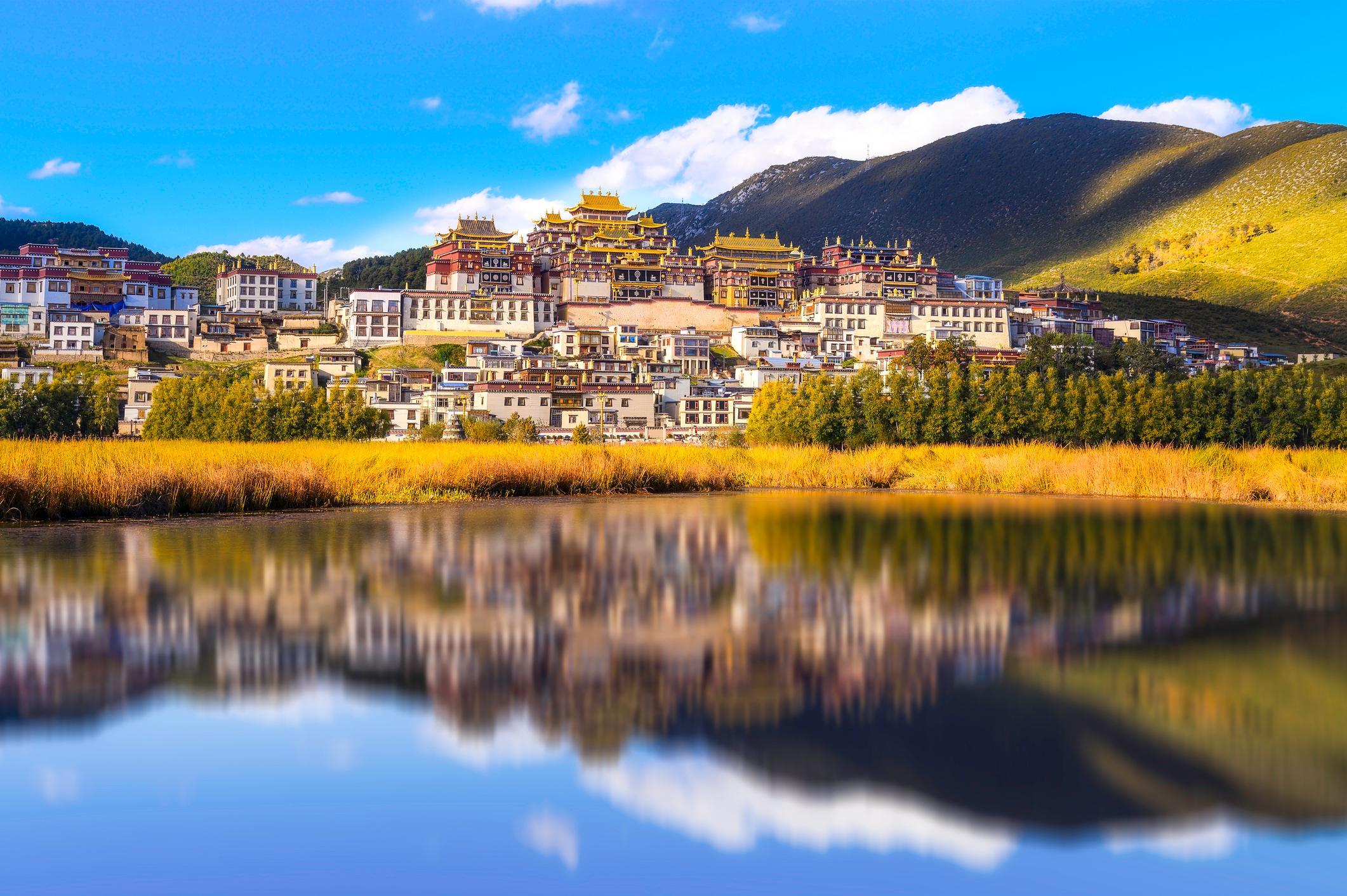
First-Time China: 10 Essential Travel Tips
Planning your first trip to China? Here are the essential tips every Kiwi traveller needs to know before they go.
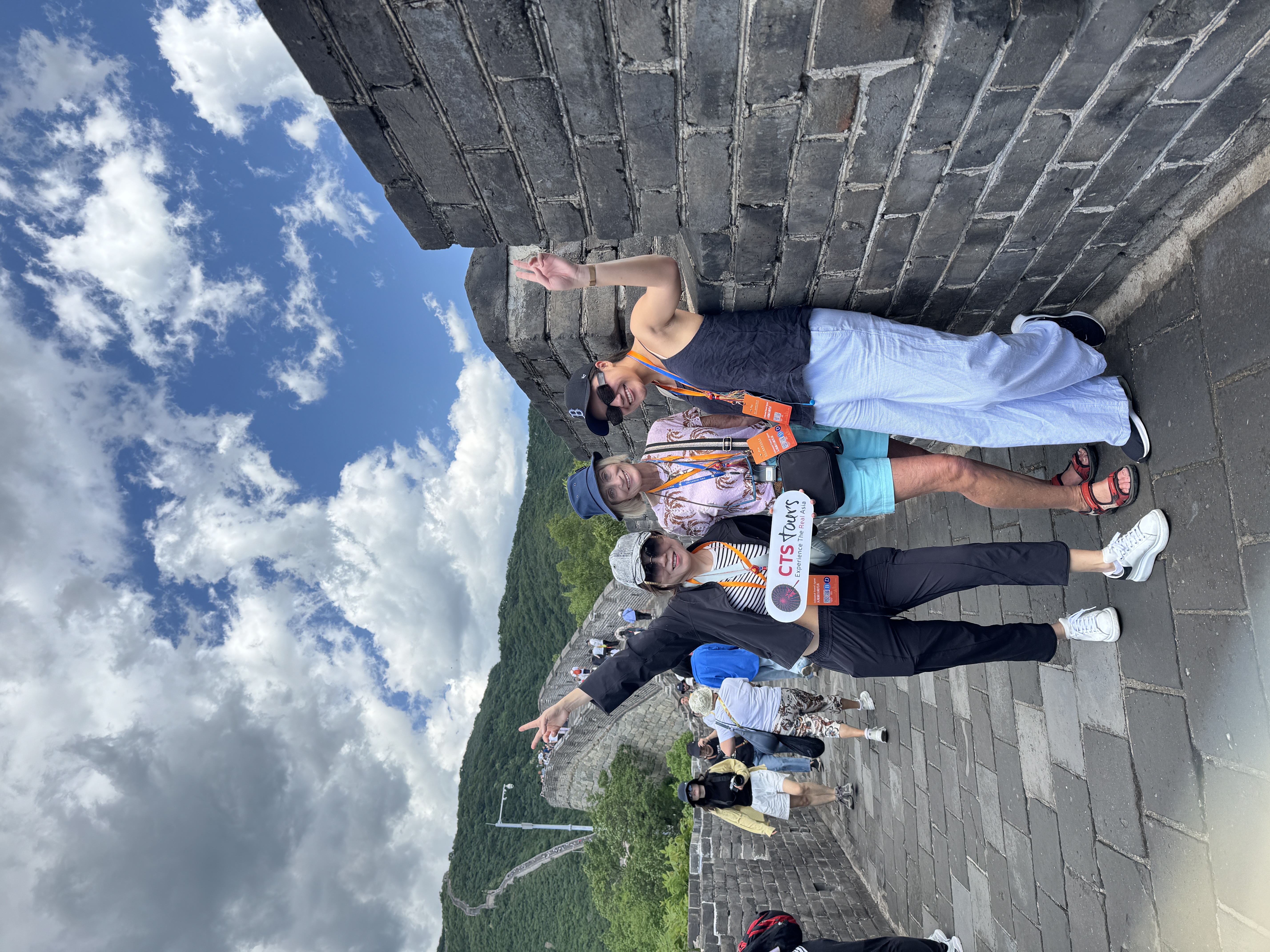
10-Day Beijing & Xi'an Itinerary for NZ Travellers
A practical day-by-day guide to 10 days in Beijing and Xi'an — the Forbidden City, Great Wall, high-speed train, and Terracotta Warriors — designed for New Zealand travellers doing China for the first time.
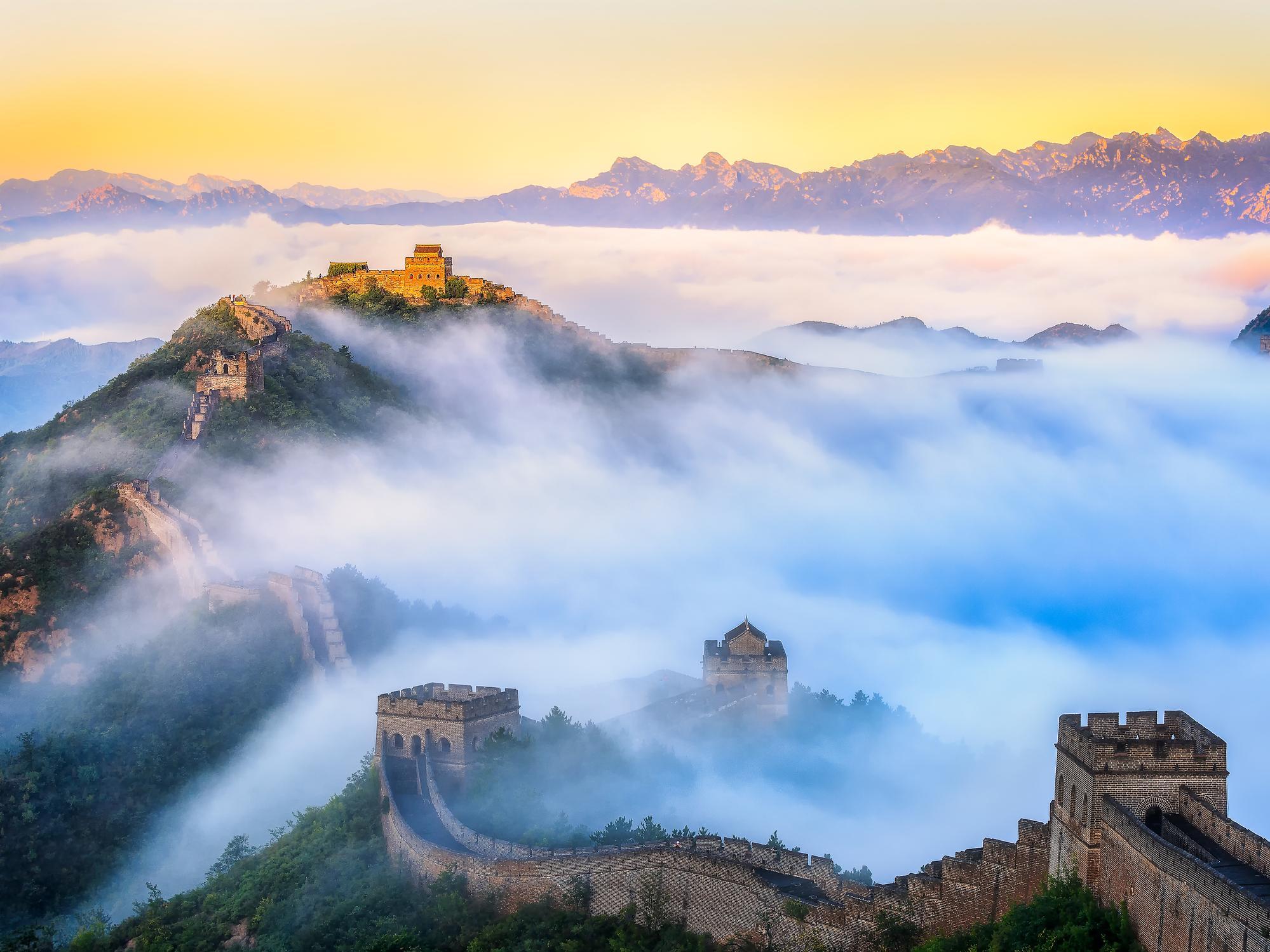
Photography Guide to China: Best Locations & Hidden Gems
I’m Baker Gu — field notes for photographers: light, lenses, drone reality, and the side gates I ask guides to use so you’re not fighting busloads.