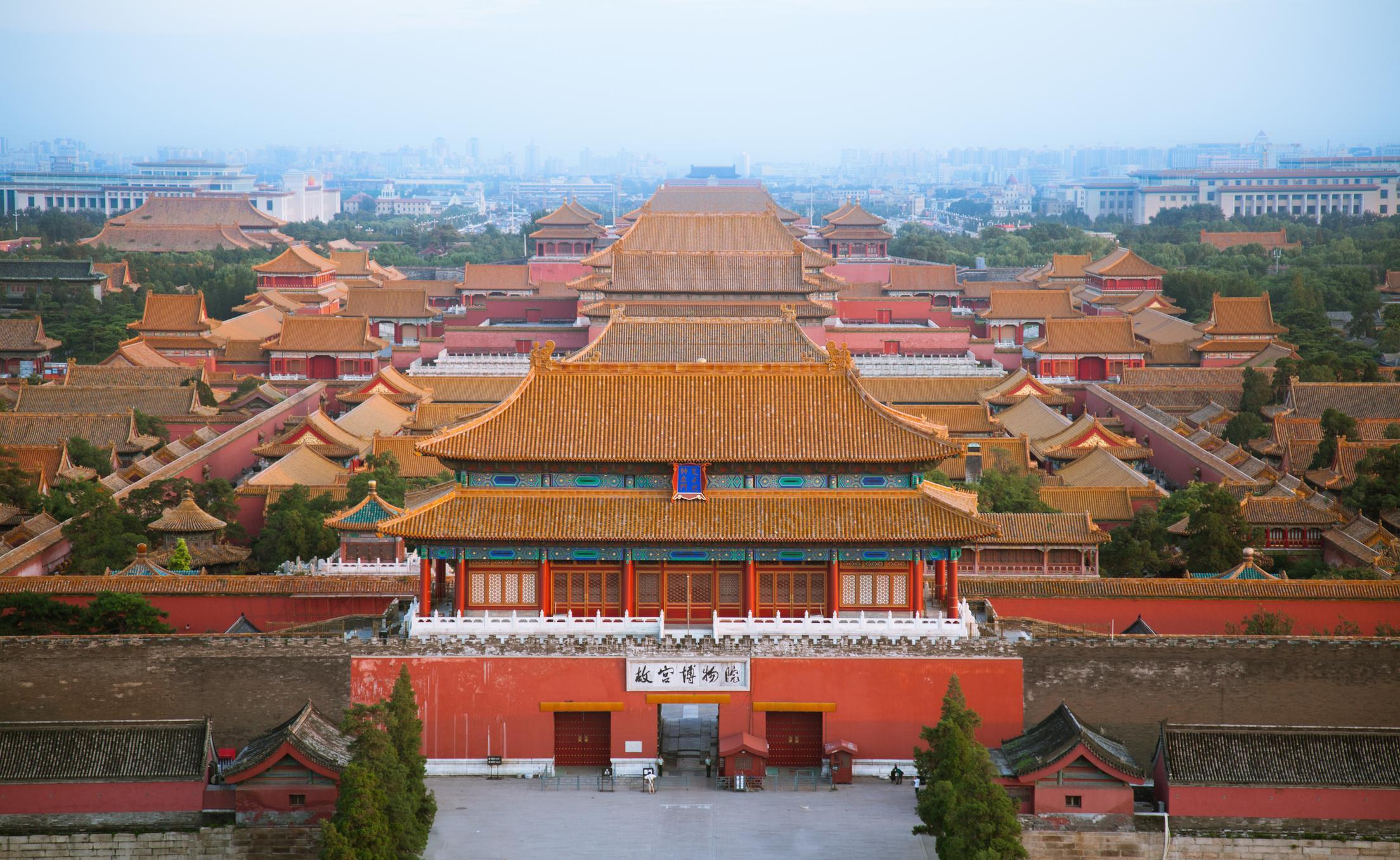
Beijing, the heart of China for over 3,000 years, seamlessly blends ancient imperial grandeur with contemporary urban dynamism. As capital of the world's most populous nation, this sprawling metropolis offers travellers an unparalleled window into Chinese civilisation, from the architectural marvels of the Forbidden City to the engineering wonder of the Great Wall. Whether you're tracing the footsteps of emperors through ornate palace halls or savouring authentic Peking duck in century-old restaurants, Beijing delivers an immersive cultural experience.
For New Zealand visitors, Beijing serves as the natural gateway to China. The city's exceptional museums house treasures spanning dynasties, whilst its revitalised hutong neighbourhoods reveal the intimate daily life of Beijing's residents. Modern infrastructure and English signage in tourist areas make navigation straightforward, whilst the underground metro system—one of the world's most efficient—connects you instantly to centuries-old temples, imperial gardens, and vibrant night markets.
A well-planned Beijing itinerary requires a minimum of 3-4 days to appreciate both headline attractions and hidden cultural gems. Early morning visits to major sites beat the crowds, whilst evening temple fairs and rooftop dining experiences showcase the city's contemporary energy. Whether travelling during the crisp autumn months or celebrating Chinese New Year festivities, Beijing rewards the curious traveller with memories that endure.
Beijing with CTS Tours
Expert-led tours. Small groups. 33+ years in China.
The Forbidden City & Imperial Beijing
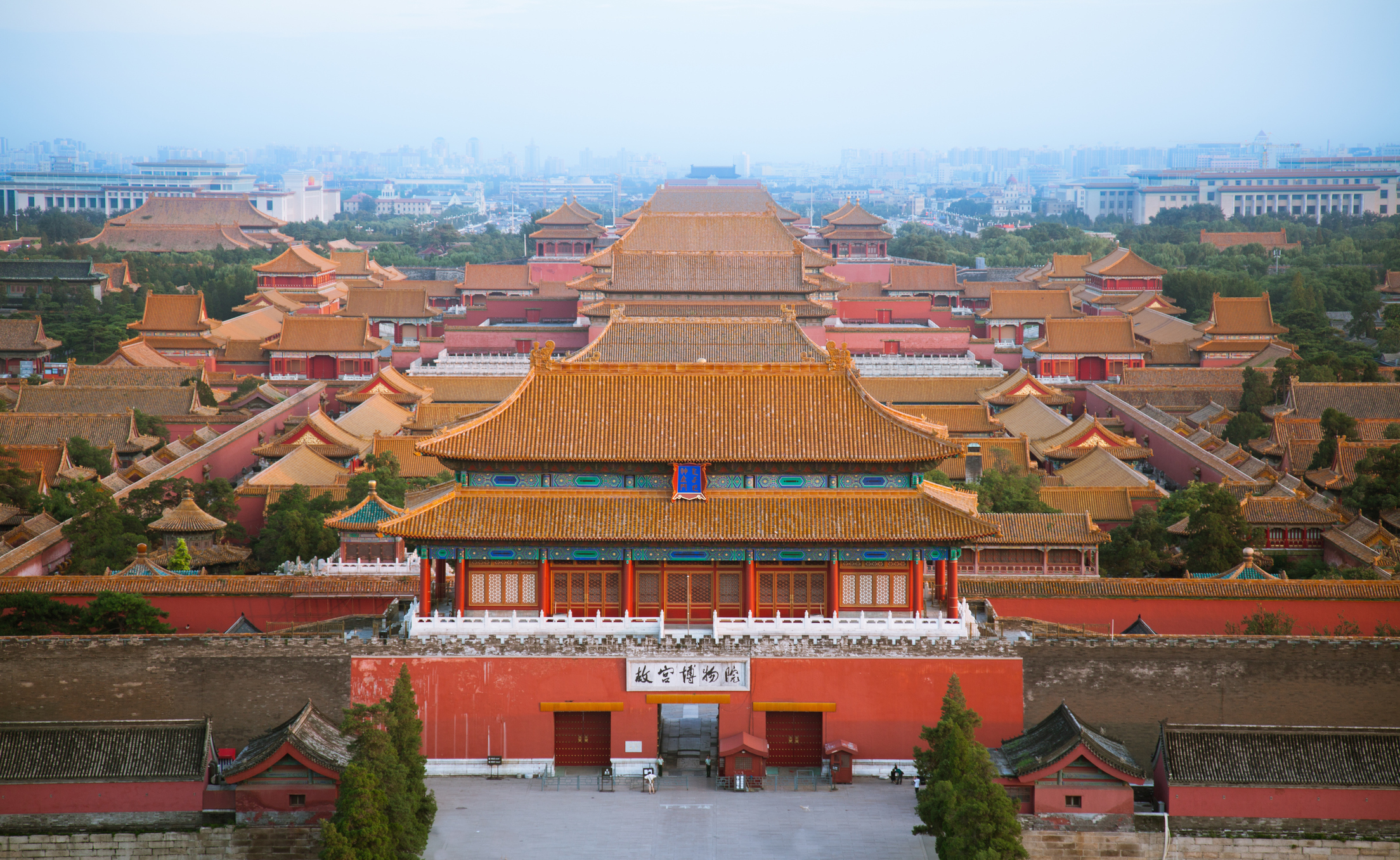
The Forbidden City stands as the world's largest and most intact imperial palace complex, housing 980 buildings across 72 hectares. Built during the Ming Dynasty (1406), this UNESCO World Heritage site served as home to 24 emperors across two dynasties. The symmetrical layout reflects ancient Chinese cosmological principles, with the emperor's residence at the symbolic centre representing his role as the link between heaven and earth.
Navigating the Forbidden City requires strategic planning. Enter early (gates open 8:30am) to avoid peak crowds around 11am. Focus on the three great halls (Hall of Supreme Harmony, Hall of Central Harmony, Hall of Preserving Harmony) that showcase imperial grandeur, then explore the inner palace residential quarters revealing intimate court life. The Palace Museum—housed within the complex—exhibits imperial treasures including jade figurines, ancient manuscripts, and imperial regalia.
Adjacent Jingshan Park offers the finest panoramic views of the Forbidden City's golden roofs with Beijing's modern skyline as backdrop—ideal for photography. The Qing Dynasty emperors used this vantage point for surveillance. Sunset visits provide dramatic lighting; night illumination of the complex happens during festive seasons.
The Great Wall: Engineering Marvel
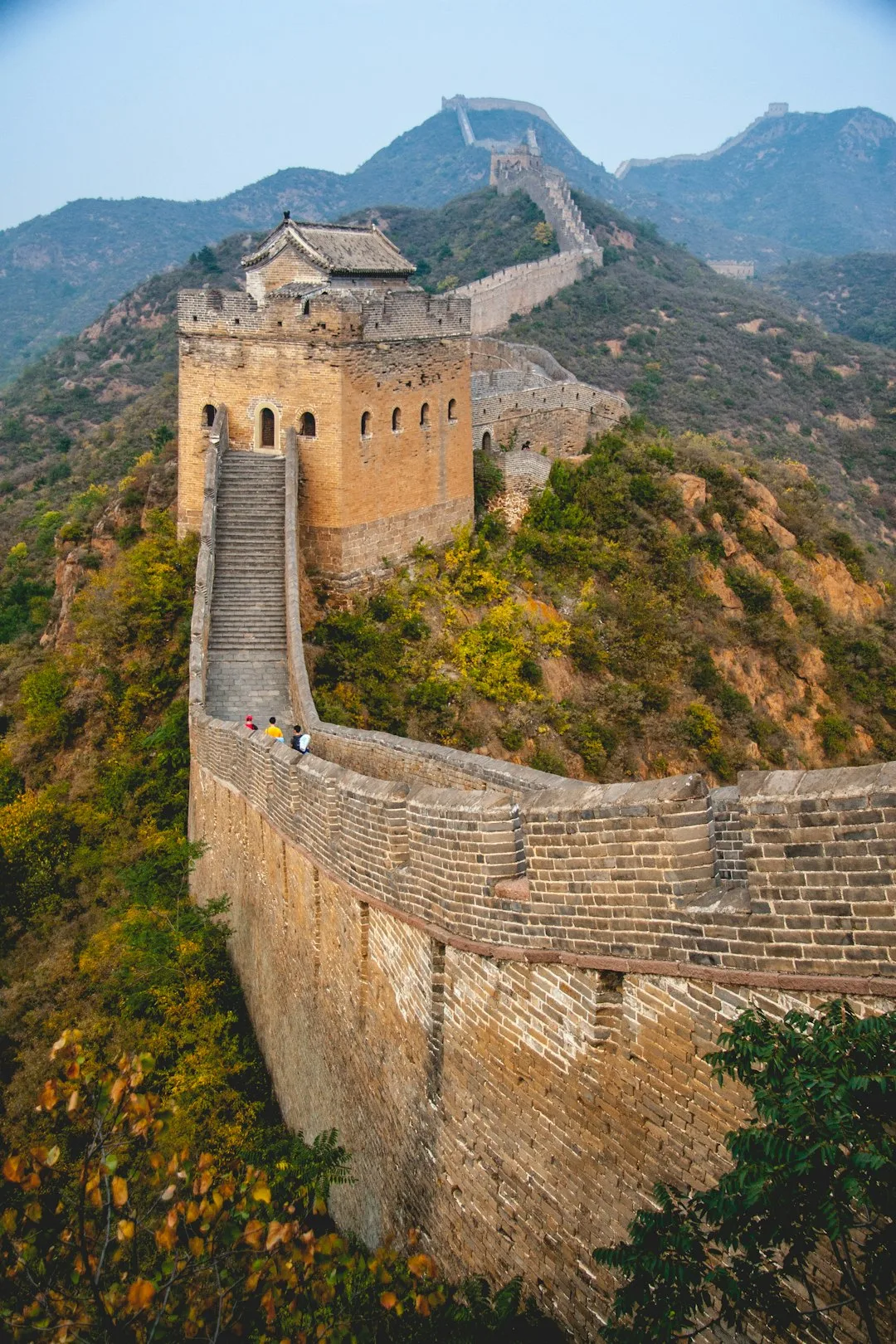
The Great Wall of China, stretching over 21,000 kilometres, represents humanity's most ambitious construction project. Built across millennia (7th century BC to 17th century AD), this defensive masterpiece was designed to protect Chinese kingdoms from northern invasions. Most of today's surviving wall dates from the Ming Dynasty (1368-1644), rebuilt using brick and stone for greater durability than earlier rammed earth versions.
Popular sections near Beijing include Badaling (most visited, fully restored, close to city), Mutianyu (steep terrain, fewer crowds, cable car access), and Juyongguan (dramatic canyon setting). Badaling lies just 43km northwest—a 90-minute drive—making it ideal for first-time visitors. The walk from Badaling's visitor centre to the restored wall takes 20 minutes; most visitors spend 2-3 hours hiking sections, with distances ranging from easy 1km walks to challenging 5km treks.
For an authentic experience, visit Mutianyu (74km northeast). This reconstructed section features cable cars and toboggan descents, surrounded by lush forest. The relatively quiet ambience compared to Badaling rewards visitors with genuine atmosphere. Hiking between restored watchtowers offers sublime views of the wall snaking across ridgelines. Spring and autumn provide ideal conditions; summer heat can be intense, whilst winter access may be restricted by snow.
Temple Complexes & Spiritual Beijing
Beijing's temple complexes offer insights into Chinese Buddhism, Taoism, and folk religion. The Lama Temple (Yonghe Gong), the largest Tibetan Buddhist temple outside Tibet, showcases stunning gilt bronze Buddha statues and intricate thangka paintings. The 26-metre-tall sandalwood Buddha in the uppermost hall represents a technical marvel—the statue was shipped from Nepal in pieces and assembled in situ.
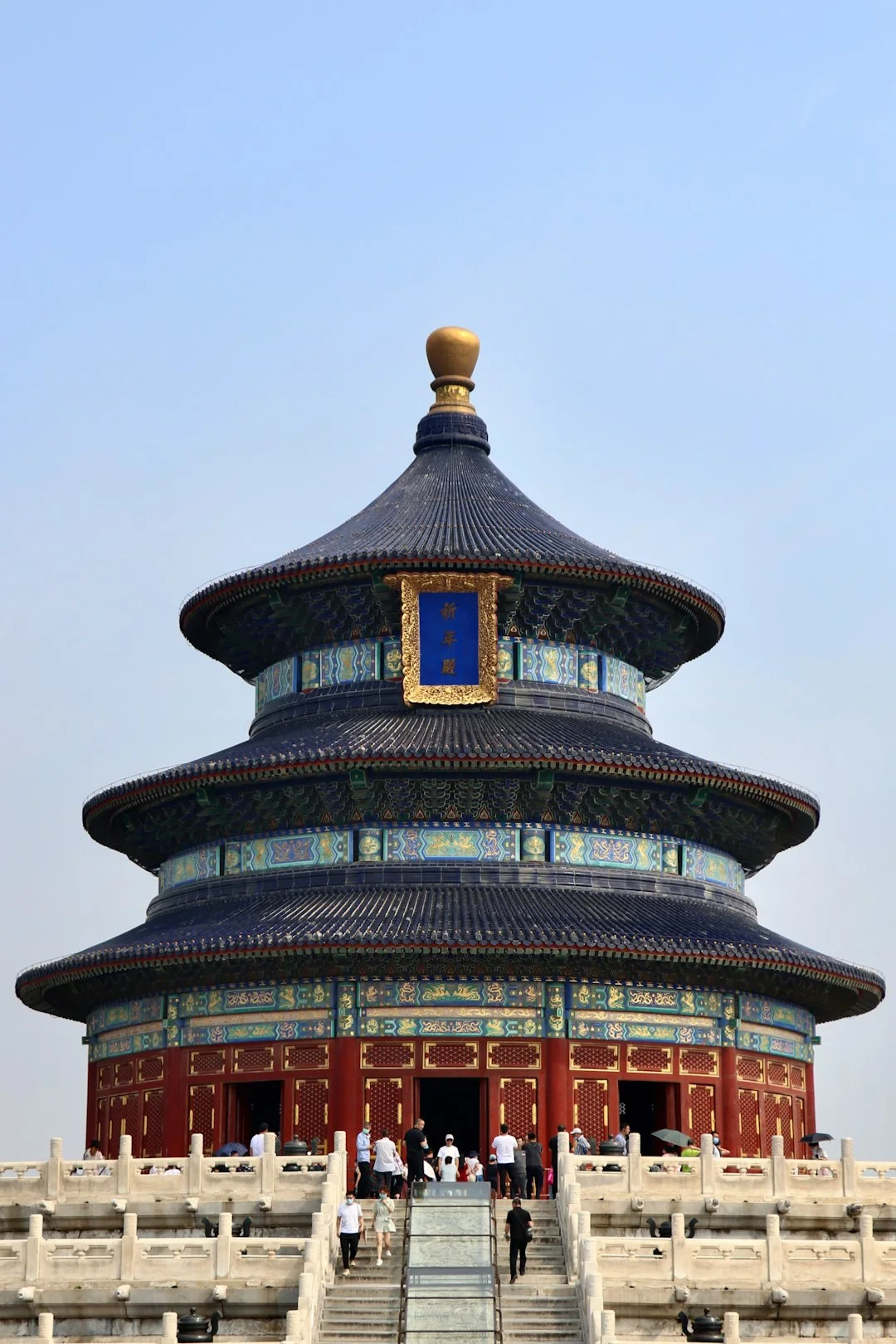
The Temple of Heaven (Tiantan) served as the religious centre of imperial Beijing. Emperors conducted annual sacrificial ceremonies here to ensure cosmic harmony and favourable harvests. The site's architectural layout embodies cosmological principles: circular structures representing heaven, square ones representing earth. The Echo Wall phenomenon—whispers carry clearly along the curved walls—delights visitors. The grounds, converted to a public park in 1918, offer peaceful morning tai chi scenes and seasonal temple fairs.
Summer Palace temples, located within the extensive imperial pleasure gardens, blend religious and recreational architecture. Confucius Temple stands as the second-largest Confucian temple outside of Qufu, its courtyard peaceful and contemplative. Many visitors combine temple visits with hutong tours, discovering neighbourhood Taoist shrines and folk religion altars that reveal grassroots spiritual practices.
Modern Beijing & Contemporary Culture
Beijing's transformation into a 21st-century metropolis is evident in striking contemporary architecture. The Bird's Nest (Olympic Stadium) and Water Cube (National Swimming Centre), designed for the 2008 Olympics, showcase innovative engineering. The CCTV Headquarters building—a radical geometric loop—has become an architectural icon. The 798 Art District, converted from Cold War-era electronics factories, now hosts cutting-edge galleries, studios, and trendy cafes attracting international artists.
The city's restaurant scene extends far beyond Peking duck. Michelin-starred establishments serve refined Chinese regional cuisines, whilst street food markets offer authentic experiences at minimal cost. Night markets like Wangfujing offer everything from traditional snacks to daring delicacies. The hutong neighbourhoods—traditional courtyard residential areas—preserve old Beijing's character, with boutique hotels, craft workshops, and family-run eateries embedded within narrow alleyways.
Shopping ranges from luxury malls in CBD areas to the historic Silk Street markets. Pearl markets, jade trading posts, and antique quarters offer authentic Chinese goods. Contemporary Beijing also embraces creative industries: craft breweries, design studios, and independent bookshops flourish alongside traditional enterprises. Evening options include Peking Opera performances, contemporary theatre, and rooftop bars with Forbidden City views.
Day Trips from Beijing
The Ming Tombs, located 40km northwest, contain mausoleums of 13 Ming emperors. The Sacred Way approach—lined with stone statuary representing imperial guard—conveys ceremonial grandeur. Several tombs are open to visitors; Changling (the largest) features impressive underground palaces. Most visitors combine the Ming Tombs with Great Wall visits in a single excursion.
Zhoukoudian Peking Man Site, 50km south, presents evidence of hominid habitation dating back 500,000 years. The museum and excavation sites provide evolutionary and paleoanthropological context. Cuandixia, a well-preserved Ming Dynasty village 60km southwest, offers glimpses of traditional rural life with stone architecture and cultural heritage preservation efforts.
Simatai and Jinshanling Great Wall sections, 120km northeast near Miyun County, appeal to serious hikers. Simatai's steep gradients and unrestored sections challenge adventurers, whilst Jinshanling offers moderate trails through mixed restored and wild wall terrain. These sections receive considerably fewer visitors than Badaling or Mutianyu, rewarding effort with solitude and authenticity.
Top Attractions in Beijing
The Forbidden City
Imperial palace complex with 980 buildings, 24 emperors' residences, and world-class museum collections spanning Chinese history.
Great Wall (Badaling)
Most visited restored section, 43km from city centre, featuring cable cars and well-maintained hiking paths.
Temple of Heaven
Ceremonial centre where emperors conducted cosmic harmony rituals; stunning architecture and peaceful parks.
Lama Temple (Yonghe Gong)
Largest Tibetan Buddhist temple outside Tibet with 26-metre sandalwood Buddha and intricate thangka artwork.
Summer Palace
Imperial pleasure gardens spanning 294 hectares with temples, lakes, bridges, and reconstructed palace buildings.
Hutong Neighbourhoods & Rickshaw Tours
Traditional residential areas offering authentic Beijing life, family-run restaurants, and cultural immersion.
National Museum of China
World's largest museum by floor area featuring Chinese art, archaeology, history spanning ancient to modern eras.
Ming Tombs
Sacred Way lined with stone statues leads to mausoleums of 13 Ming emperors; Changling features imperial underground palace.
Beijing Photo Gallery
Practical Information
Getting Around
Extensive metro system (13 lines) with clear English signage; taxis and ride-sharing (Didi) ubiquitous; rental cars available but traffic challenging. Airport (PCF) offers 24-minute express train to city (¥25). Long-distance buses connect to all regional destinations.
Climate & Best Time
Cold, dry winters (-10 to 0°C, November-March); warm summers (25-35°C, June-August); spring and autumn are mild and pleasant. Pollution can be heavy in winter and spring. Best time: September to October (autumn, 15-25°C, clear skies) and April to May (spring, 10-20°C, flowers blooming). July-August very hot; December-February very cold.
Budget
Budget meals ¥20-50; mid-range ¥100-300; luxury ¥500+. Hotels: budget ¥200-400, mid-range ¥600-1500, luxury ¥2000+. Metro card refundable, single journeys ¥2-6.
Language & Safety
Mandarin Chinese primary; English spoken in tourist areas, hotels, restaurants. Apps (WeChat, Alipay) essential for payments; translation apps helpful. Very safe for tourists; petty theft rare but practise general caution. Avoid political discussions. Air quality can affect outdoor plans; check daily AQI forecasts. Register with NZ embassy if staying extended period.
Frequently Asked Questions
How many days do I need in Beijing?
A minimum of 3-4 days allows coverage of Forbidden City, Great Wall, Temple of Heaven, and hutong exploration. 5-6 days permits relaxed pace, day trips, and cultural immersion. Many luxury tours allocate 4-5 days here as gateway.
What's the best way to visit the Great Wall from Beijing?
Badaling is closest (43km, 1.5-hour drive) and most accessible for first-time visitors. Mutianyu (74km) offers fewer crowds and forested backdrop. Simatai suits serious hikers. Organised tours handle transport; independent visitors use hired cars or metro to Huailai then shuttle buses.
Do I need a guide for the Forbidden City?
English-language audio guides (included in admission) are comprehensive and self-paced. Hired guides (¥150-300 for group) provide context and skip-the-line access through side entrances. Group tours included in multi-day packages.
Is the Beijing smog always a problem?
Air quality is seasonal; winter (December-February) and spring (March-April) see worse pollution. Summer and autumn generally clear. Check daily AQI forecasts; masks available if needed. Severe pollution days occasionally close outdoor attractions or limit visibility.
Can I visit the Forbidden City at night?
Standard daytime hours are 8:30am-5pm (closed Mondays). Special evening illumination during Chinese New Year and other festivals. Night tours are organised tours only, not individual visits. Most major temples offer evening hours until 5-6pm.
Recommended Reading
Continue the story with practical routes, local food, transport and the wider history of Beijing.
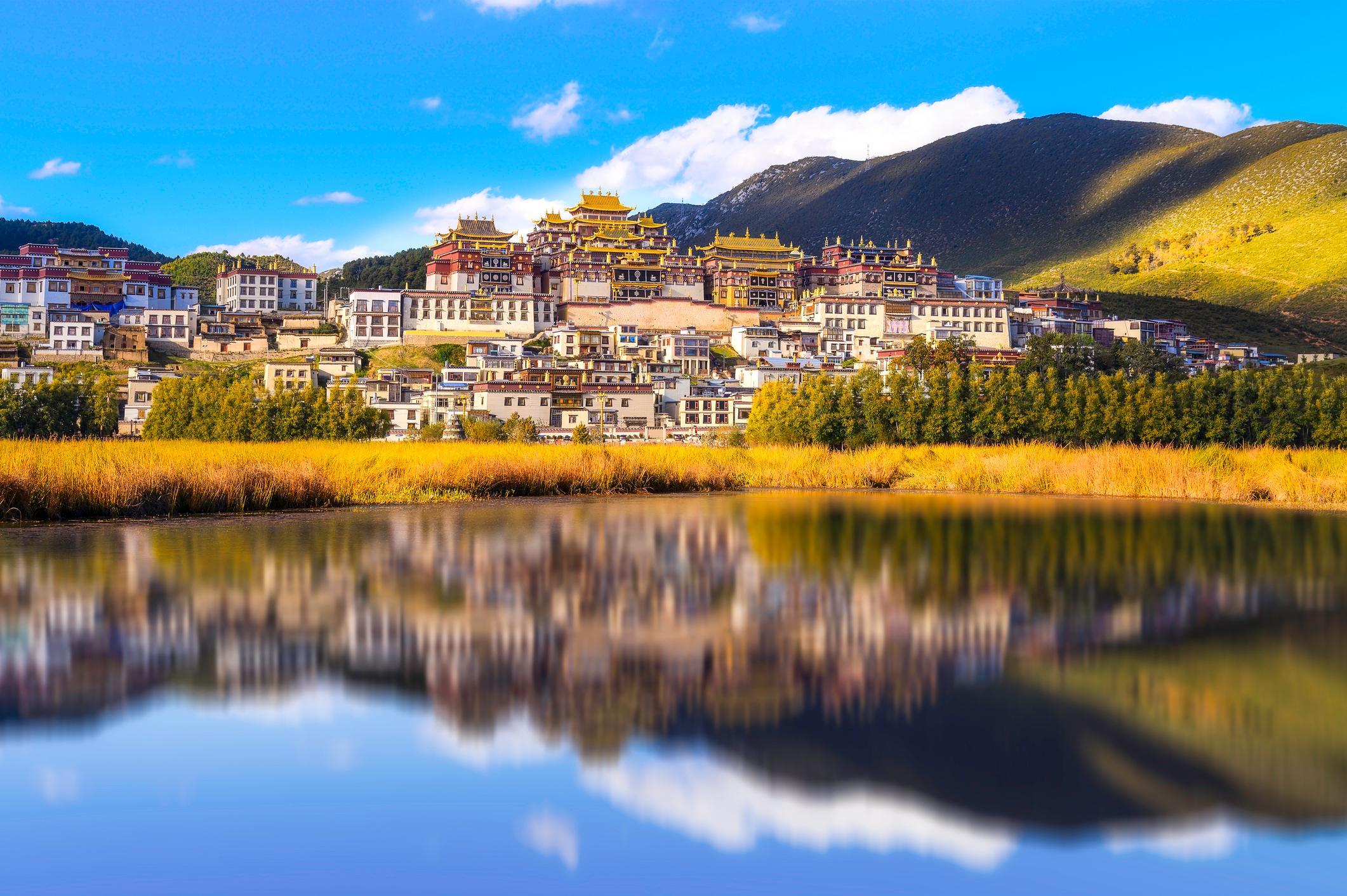
First-Time China: 10 Essential Travel Tips
Planning your first trip to China? Here are the essential tips every Kiwi traveller needs to know before they go.
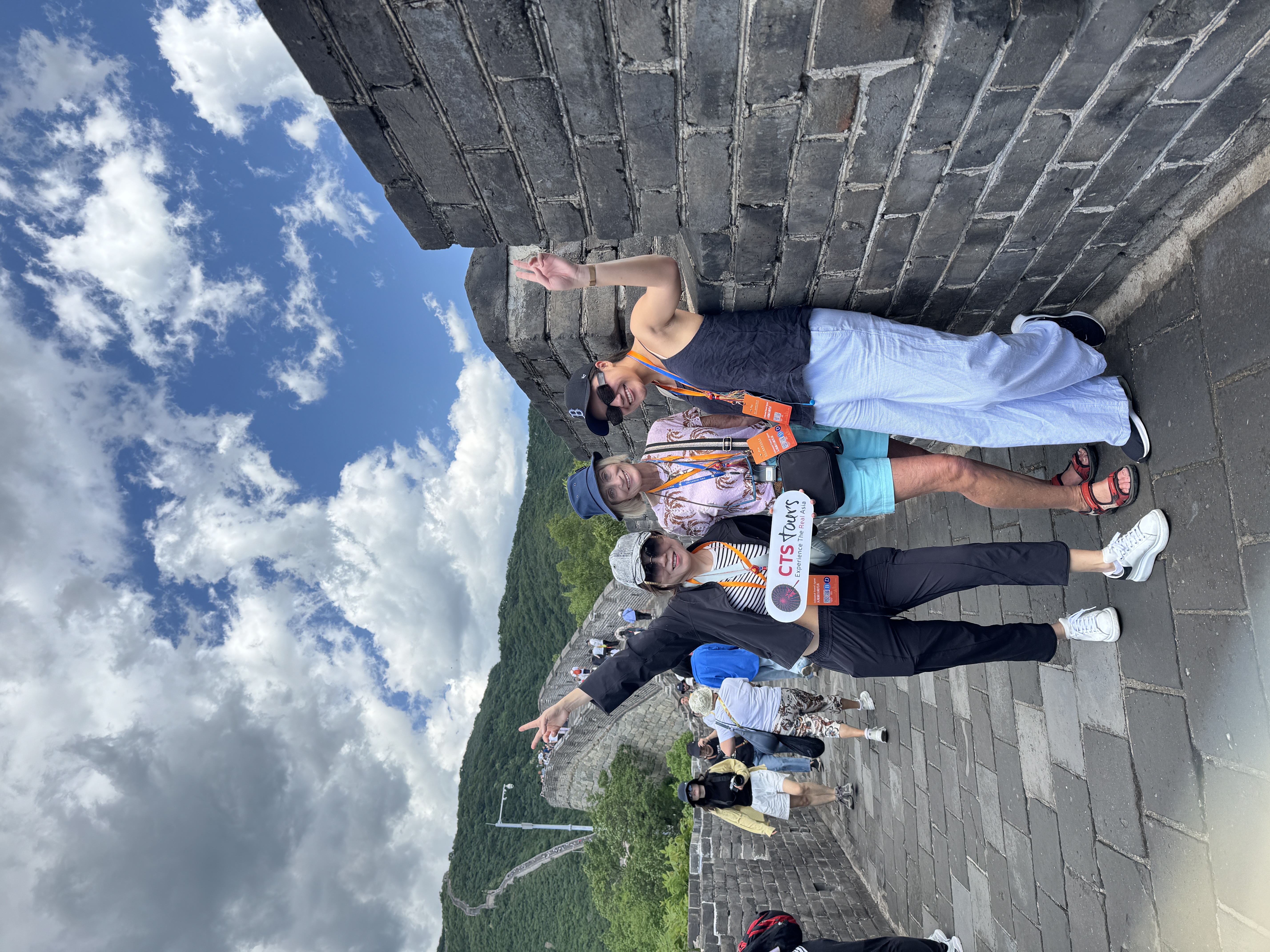
10-Day Beijing & Xi'an Itinerary for NZ Travellers
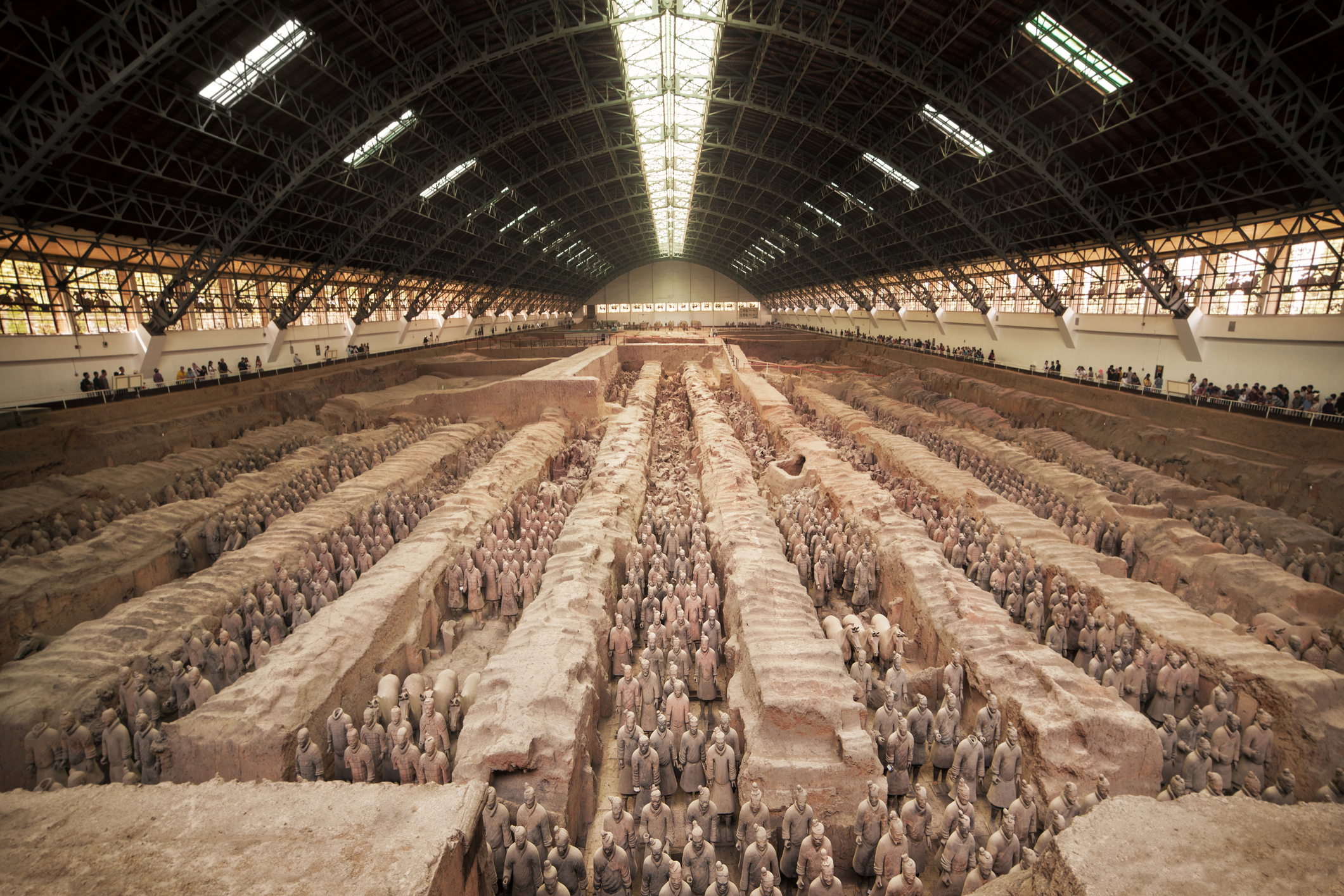
A practical day-by-day guide to 10 days in Beijing and Xi'an — the Forbidden City, Great Wall, high-speed train, and Terracotta Warriors — designed for New Zealand travellers doing China for the first time.
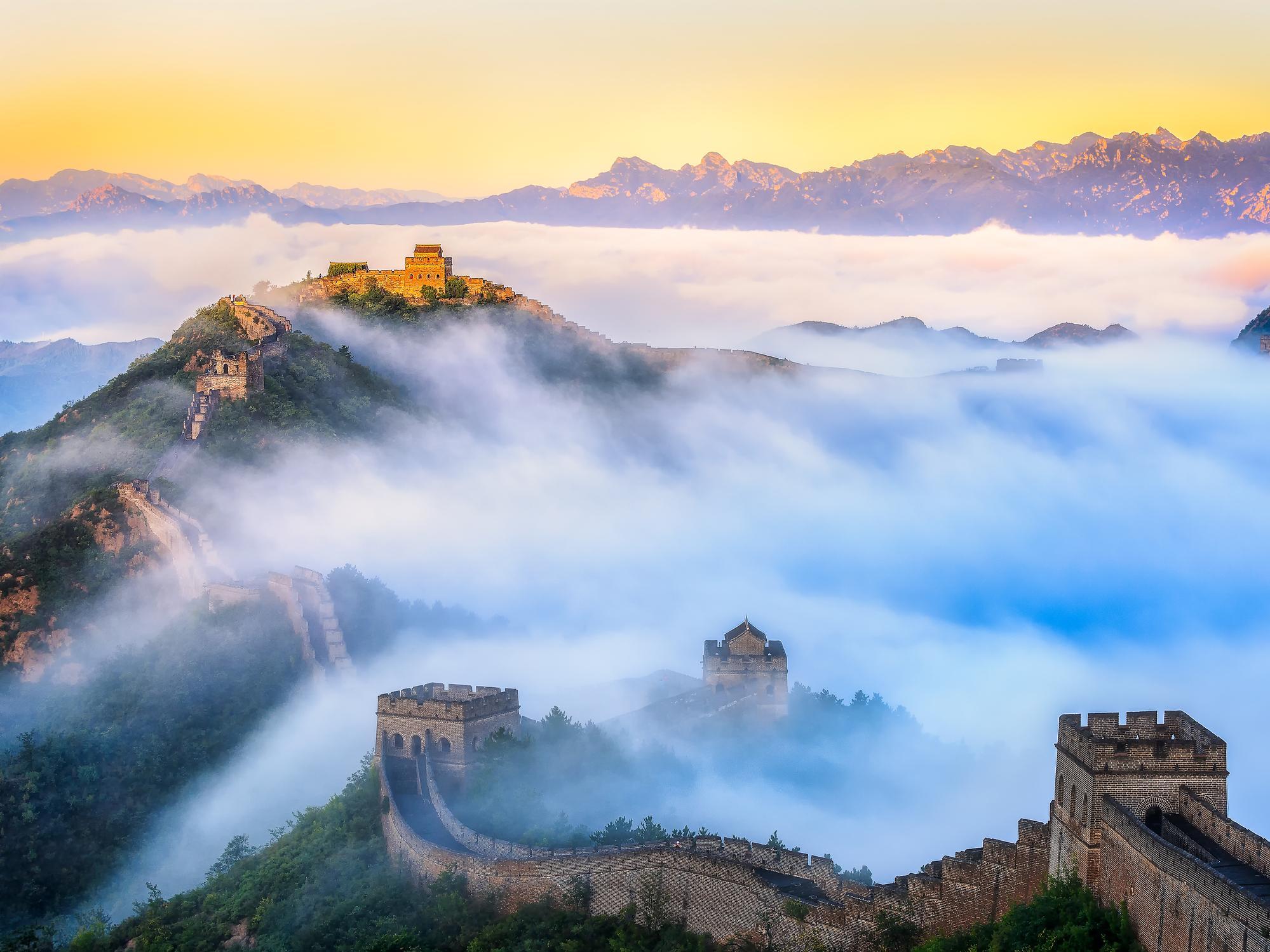
Photography Guide to China: Best Locations & Hidden Gems
I’m Baker Gu — field notes for photographers: light, lenses, drone reality, and the side gates I ask guides to use so you’re not fighting busloads.