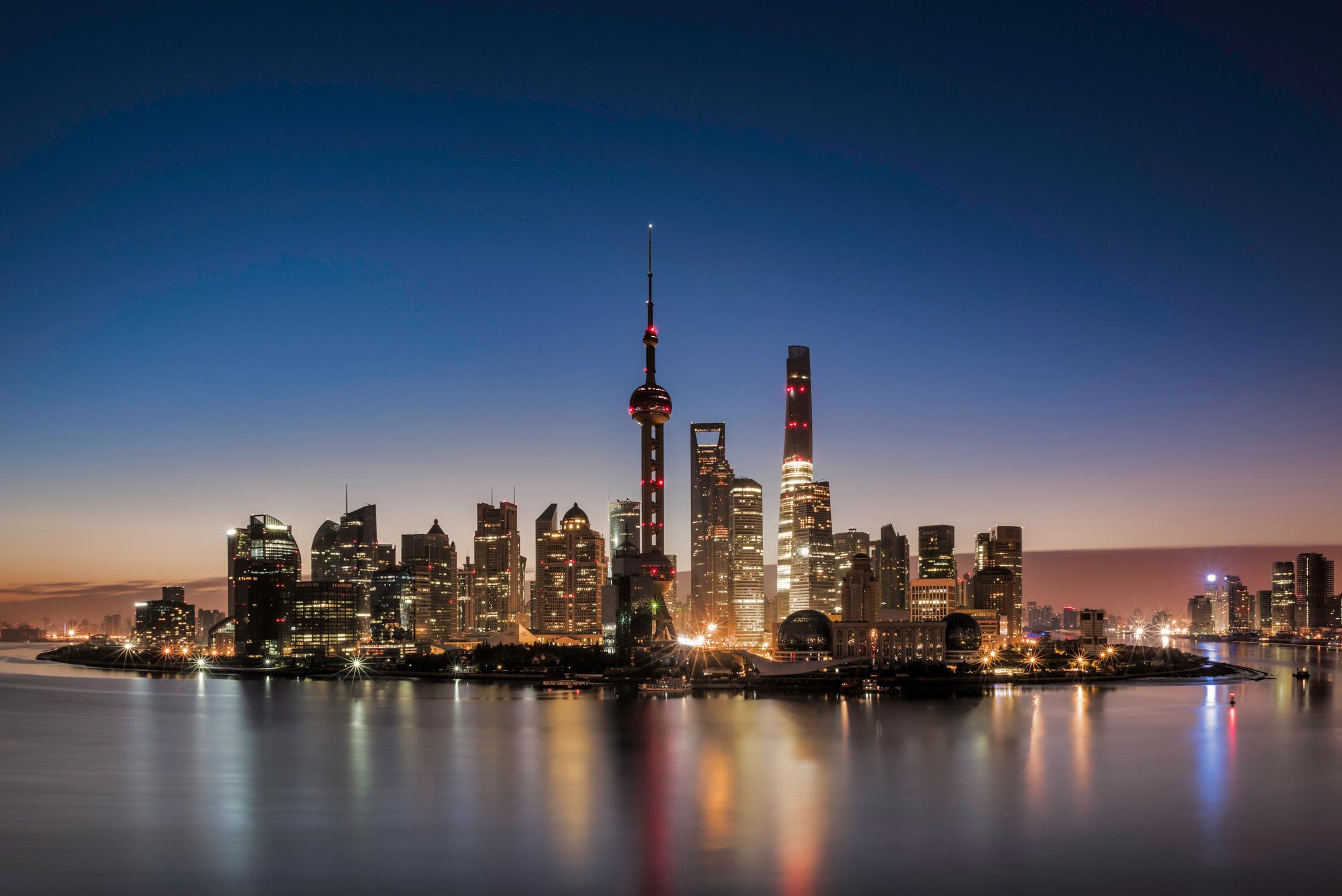
Shanghai is China's largest city and a global finance hub. About twenty-four million people live here. Skyscrapers sit next to historic streets.
The city grew from a small port to a 19th-century treaty port. Today you see art deco banks on the Bund and towers in Pudong across the river.
Pudong Airport is a main gateway for New Zealand travellers. Shanghai works well as a stop or as a base for side trips.
Yu Garden shows classic Chinese garden design. The French Concession has cafés and tree-lined walks.
Water towns like Zhujiajiao are a short trip away. Plan a mix of icons, museums, and local food.
Shanghai with CTS Tours
Expert-led tours. Small groups. 33+ years in China.
The Bund: Shanghai's Iconic Waterfront
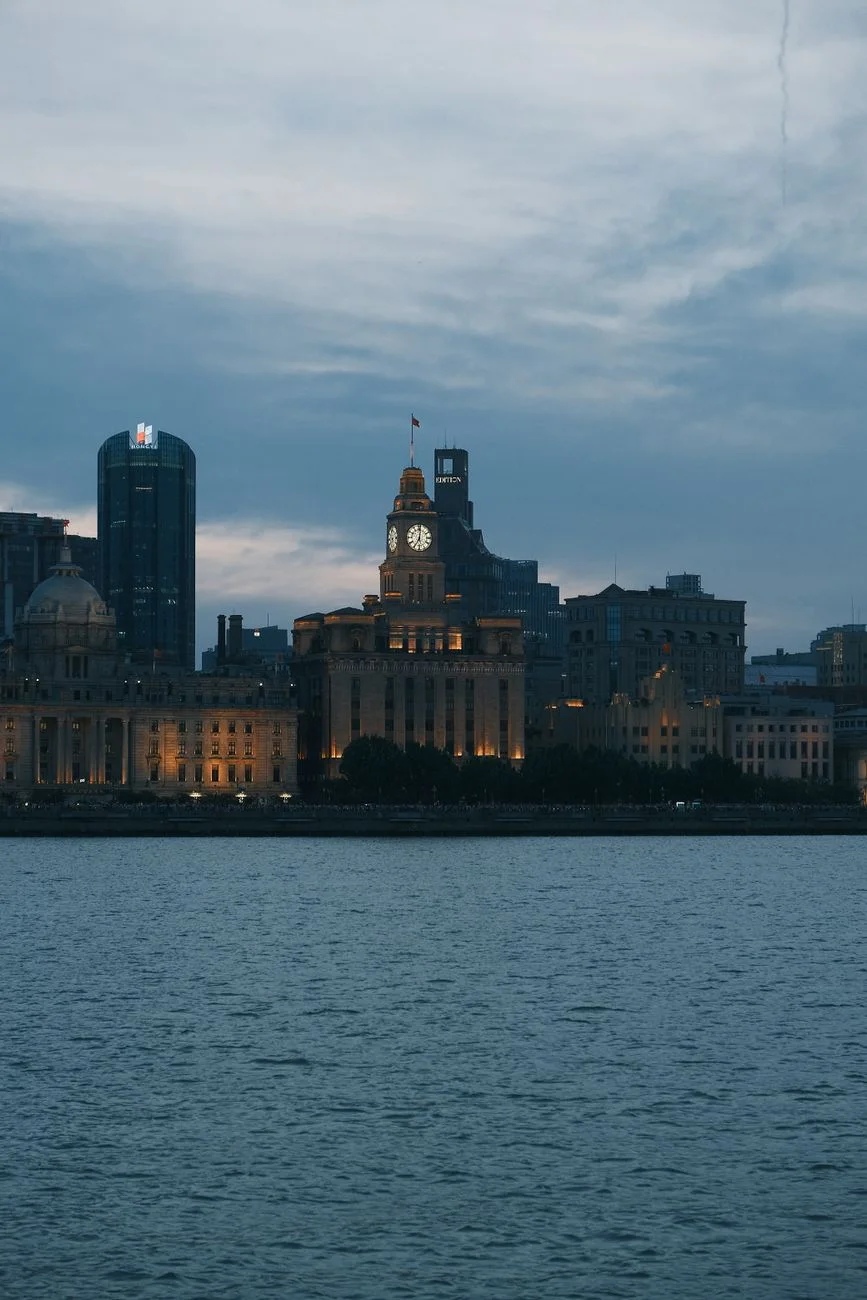
The Bund (Waitan waterfront), literally "foreshore," stretches 1.5 kilometres along the western bank of the Huangpu River. This promenade showcases a remarkable collection of early 20th-century architecture: the Customs House with its iconic clock tower, the neoclassical HSBC Building, art deco hotels, and trading company headquarters. These structures represent multiple foreign powers' colonial ambitions in Shanghai, earning the Bund its nickname "Wall Street of Asia."
The eastern riverbank, across the Huangpu, presents Shanghai's modern face. The Oriental Pearl Tower (468 metres) dominated skylines before supertall structures proliferated. The Shanghai Tower (632 metres, China's tallest) offers observation decks and a record-setting elevator reaching 500m in just 55 seconds. Visitors can traverse the Huangpu via the pedestrian tunnel or various bridge crossings, experiencing both historical and contemporary Shanghai from strategic viewpoints.
Evening visits transform the Bund into a spectacular illuminated landscape. The nightly light show—featuring synchronised building illuminations choreographed to music—captivates tourists and locals alike. River cruises departing from the Bund provide perspective on both shores whilst photographing this photogenic landscape. The promenade itself offers unobstructed river views, riverside restaurants, and street-level cultural attractions.
Yu Garden & Traditional Chinese Architecture
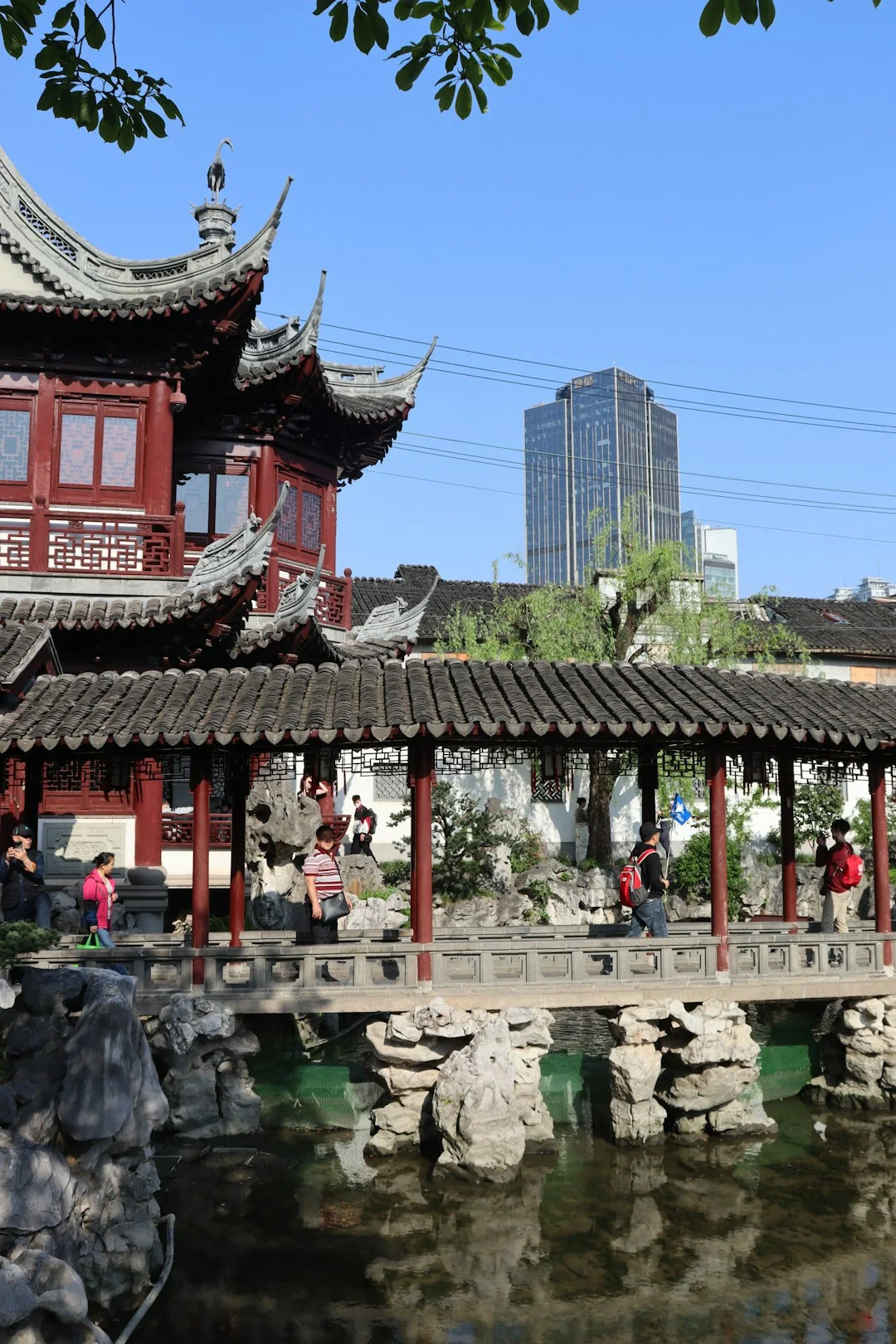
Yu Garden (Yuyuan) represents Ming Dynasty scholar's garden design principles, created in 1559 for a wealthy merchant's family. Spanning just 2 hectares, this extraordinarily intricate garden demonstrates how Chinese aesthetics compress landscape diversity into compact spaces. Artificial mountains, pavilions, bridges, and water features create multiple distinct "scenes," each viewpoint revealing carefully composed vistas. The garden exemplifies Taoist philosophy of humans existing in harmony with nature.
Key structures include the Dajing Pavilion (commanding views), the Tower of Jade Magnificence (five-storey landmark), and numerous pavilions with poetic names reflecting philosophical concepts. The garden's surrounding walls feature 127 roof decorations representing symbolic meanings. A classical aesthetic principle holds that visitors should "wander like scholars," exploring without predetermined routes, discovering new vistas continuously.
The adjacent City God Temple (Chenghuang Miao) and its bustling marketplace merge spiritual devotion with commercial activity. The temple, renovated, functions actively with worshippers burning incense. The marketplace teems with food vendors, souvenir stalls, and cultural atmosphere. Early morning visits before tourist influx offer more authentic experiences. The lantern festival decorations (especially Chinese New Year) illuminate the garden spectacularly.
French Concession & Colonial Heritage
The French Concession (historic French quarter), administered by France from 1849-1943, preserves tree-lined streets, belle époque villas, and sophisticated commercial establishments. Fuxing Road represents the Concession's main thoroughfare, flanked by cafes, galleries, bookstores, and restaurants. Unlike the grid-pattern International Settlement, the French Concession features organic street layouts, creating intimate neighbourhoods where colonial charm persists.
Jing'an Temple, historically significant Buddhist temple reconstructed within the Concession, now stands surrounded by modern development yet maintains spiritual function. The temple's annual lantern festivals attract thousands. Propaganda Poster Art Centre documents Cultural Revolution artistic production through historical context. Former residences of Chinese Communist Party leaders (Chen Yi Residence, Soong Ching-ling Residence) function as museums revealing political history.
Contemporary French Concession blends heritage preservation with modern cafes, boutique hotels, and gallery spaces. Tianzifang alleyway complex (Tian Zi Fang) comprises traditional shikumen (lane houses) converted to studios, cafes, and shops, offering village-like atmosphere within urban context. Evening strolls reveal romantic ambiance; weekend explorations reveal artistic communities and design studios.
Museums & Cultural Institutions
The Shanghai Museum houses exceptional collections of Chinese bronzes, ceramics, calligraphy, and painting across 11 galleries. The bronze collection—particularly ritual vessels from Shang and Zhou dynasties—showcases metallurgical sophistication. The ceramics gallery traces porcelain development from primitive earthenware through blue-and-white Ming pieces to contemporary works. Rotating exhibitions feature contemporary Chinese and international artists.
The Power Station of Art (former Huangpu Power Station) represents adaptive reuse of industrial heritage. This contemporary art museum showcases cutting-edge installations, performances, and multimedia works. The dramatic industrial architecture—featuring soaring spaces and massive turbines—becomes installation environment itself. The rooftop offers panoramic city views and sculpture garden spaces.
The China Art Museum, housed in former World Expo pavilion, emphasises contemporary and modern Chinese art. Shanghai Museum of Glass, the world's first glass museum, displays ancient glass works and contemporary glass art. The Longhua Temple and Bell Tower complex represents Buddhist heritage within urban context, with functioning temple atmosphere and periodic exhibitions.
Water Towns & Day Excursions
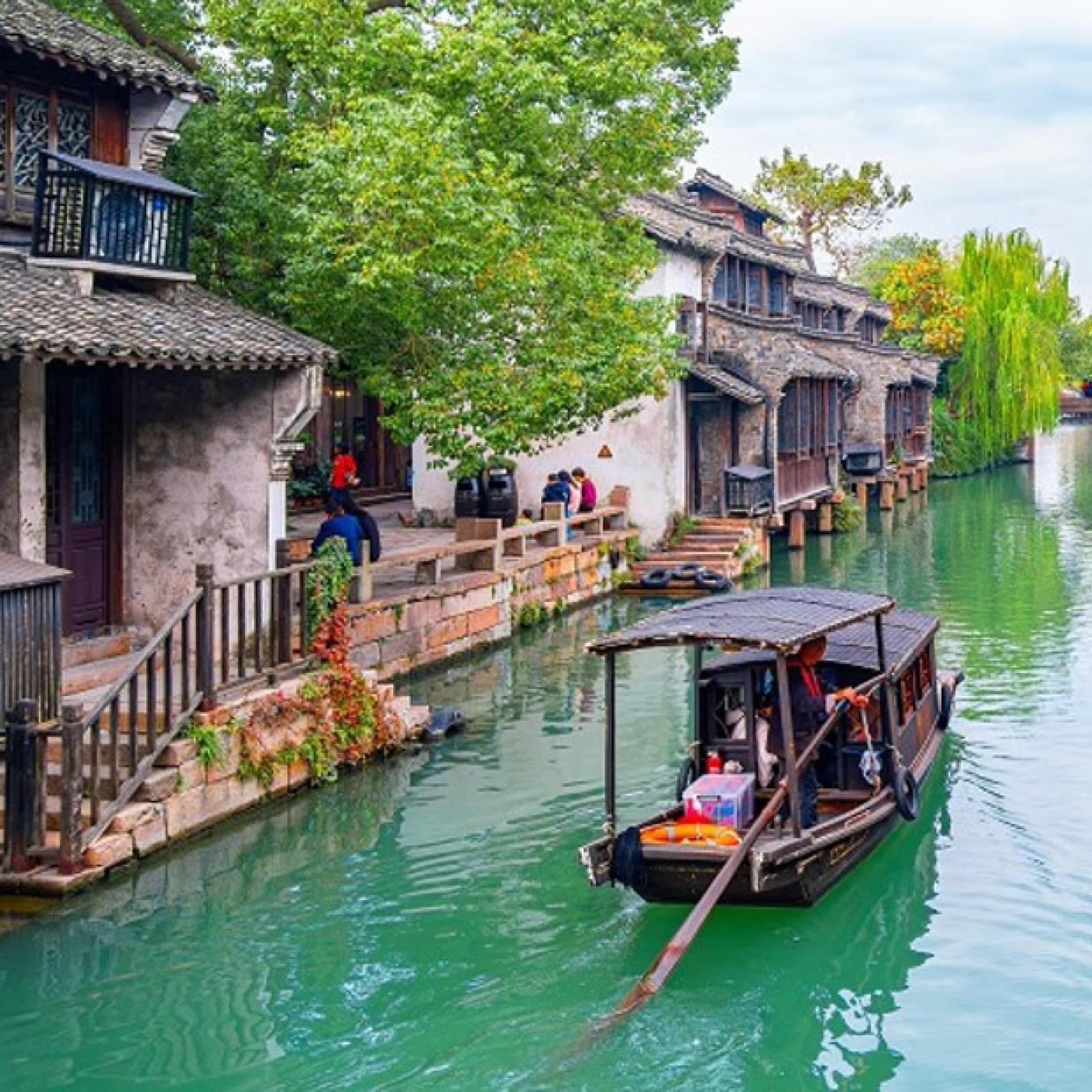
Zhujiajiao (Zhujiajiao water town), a water town 48km southwest, features Ming and Qing architecture preserved along channels spanned by arched bridges. Known as the "Venice of Shanghai," this 2-hour excursion offers narrow lanes, family-run shops, local restaurants, and boating opportunities. The ancient archways, temples, and market streets preserve pre-industrial commercial atmosphere. Photography is exceptional, particularly early morning light and evening reflections.
Tongli (Taihu water town), 80km southwest near Lake Taihu, represents similarly atmospheric water town with 15 lakes integrated into residential layout. The town's design—featuring canal navigation primary to movement—creates enclosed, intimate neighbourhood spaces. Five classical gardens demonstrate aesthetic philosophy; stone bridges provide picturesque photography. Traditional crafts (silk production, woodcarving) remain practised; artisan demonstrations educate visitors.
Both towns offer homestay experiences, boat tours, and traditional tea ceremonies. Full-day excursions from Shanghai include guided tours, meals, and transport. Independent visitors rent cars or take minibuses from metro stations. Overnight stays in water towns provide evening quiet after day-tripper departures, offering more authentic neighbourhood experiences.
Top Attractions in Shanghai
The Bund
Iconic 1.5km waterfront promenade featuring colonial architecture, river views, and nightly light shows.
Yu Garden
Ming Dynasty scholar's garden with pavilions, bridges, and philosophically-designed landscapes.
Shanghai Museum
World-class museum featuring Chinese bronzes, ceramics, calligraphy, and rotating contemporary exhibits.
French Concession & Tianzifang
Historic colonial neighbourhood with tree-lined streets, cafes, galleries, and converted laneway studios.
Shanghai Tower
China's tallest building (632m) with observation decks, record-speed elevator, and panoramic city views.
Zhujiajiao Water Town
Ancient canal-side village with Ming-era architecture, bridges, and traditional commerce.
Power Station of Art
Contemporary art museum in repurposed power station with dramatic industrial spaces and installations.
Longhua Temple & Bell Tower
Historic Buddhist temple with functioning shrine, ancient bells, and rooftop city views.
Shanghai Photo Gallery
Practical Information
Getting Around
Extensive metro system (17 lines) with English signage; taxis and Didi ubiquitous. Maglev train from airport (30km) reaches 431km/h, completes journey in 8 minutes (¥55). Regular airport shuttle buses (¥25). High-speed trains to Beijing (5 hours), Xi'an (10 hours), Hangzhou (1 hour), Chongqing (16 hours).
Climate & Best Time
Cold, damp winters (-5 to 5°C, December-February); hot, humid summers (25-35°C, June-August); spring and autumn mild. Significant rainfall year-round. Best time: September to November (autumn, 15-25°C, lower humidity) and April to May (spring, 10-20°C, flowers blooming). May and September ideal. December-February damp and cold; July-August hot and humid.
Budget
Street food ¥15-40; mid-range ¥80-200; upscale ¥300-800+. Hotels: budget ¥200-400, mid-range ¥700-1500, luxury ¥2000+. Attractions individually ¥40-188.
Language & Safety
Mandarin Chinese with dialect; English well-spoken in tourist areas, hotels, upscale restaurants. International city with multilingual signage. Very safe for tourists; cosmopolitan atmosphere. Petty theft in crowds (metro, markets) requires standard precautions. Late-night dining and entertainment districts busy and lively.
Frequently Asked Questions
How long should I spend in Shanghai?
Two days minimum covers The Bund, Yu Garden, Shanghai Museum, and French Concession. Three to four days permits day trips to water towns, museum visits, and leisurely neighbourhood exploration. Many luxury tours allocate 3 days here.
What's the best way to get from Pudong Airport to city centre?
Maglev train (8 minutes, ¥55) is fastest but limited stops. Airport shuttle buses (¥25, 45-60 minutes) serve multiple hotels. Metro line 2 (cheapest, ¥7, 40-50 minutes) requires less luggage. Taxi/Didi (¥80-120, 30-50 minutes depending on traffic) offers door-to-door service.
Are day trips to water towns worth it?
Yes, they offer authentic contrast to urban Shanghai. Zhujiajiao (1-2 hours away) is closest; full-day excursions include guided tours. Overnight stays in water towns permit evening quiet and morning exploration before crowds. Most visitors recommend at least one water town visit.
Can I visit museums on Mondays?
Shanghai Museum and many major museums close Mondays. Power Station of Art closes Mondays. Check individual museum websites. The Bund, Yu Garden, and water towns remain open daily. Plan museum visits for Tuesday-Sunday.
What's the best time to visit The Bund?
Late afternoon (4-6pm) offers golden light for photography, transitioning to evening when building illuminations activate (7-9pm). Weekday evenings are less crowded than weekends. River cruises provide alternative perspectives on the architecture.
Recommended Reading
Continue the story with practical routes, local food, transport and the wider history of Shanghai.
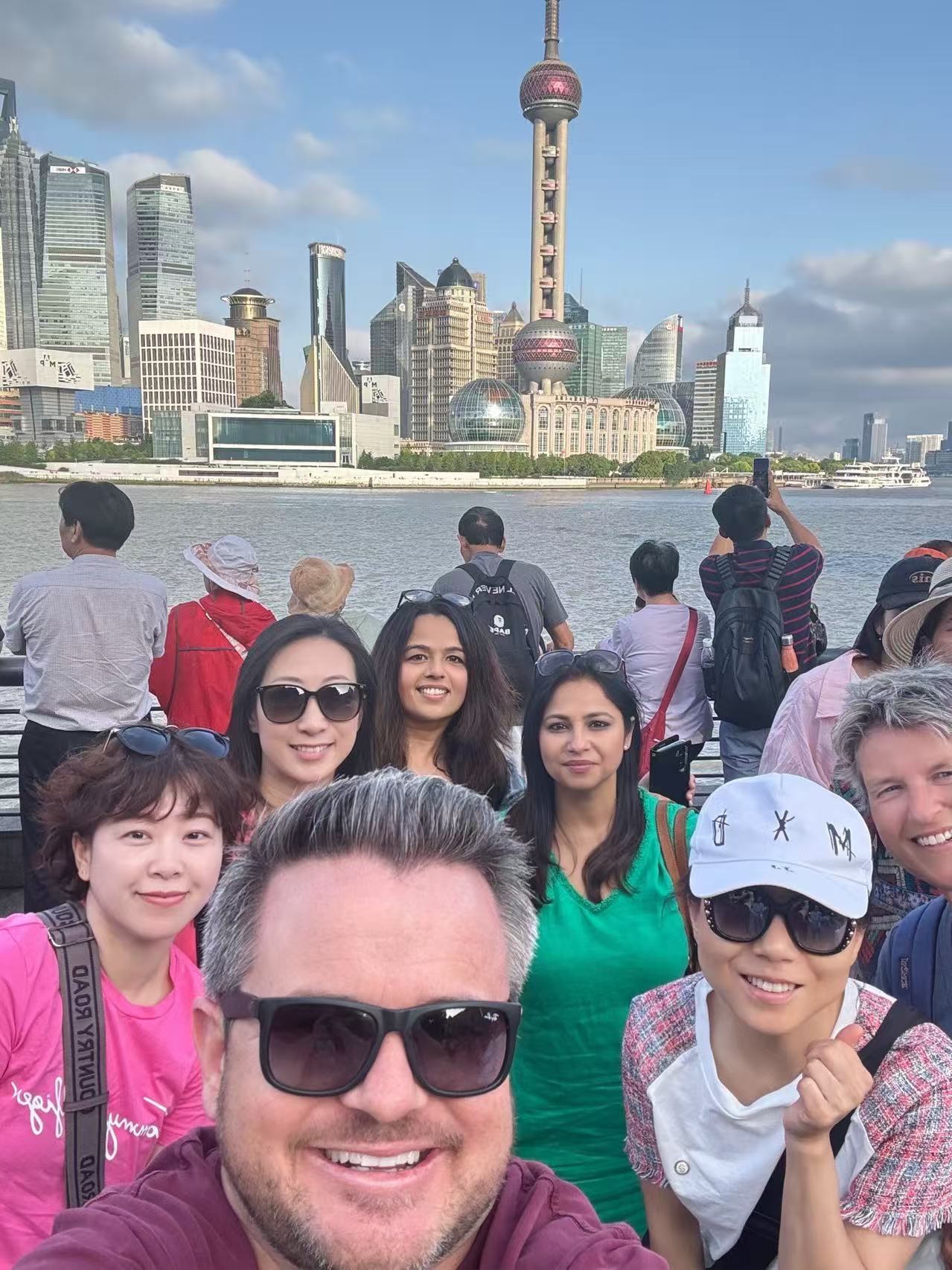
10-Day Shanghai & Jiangnan Itinerary for NZ Travellers (2026)
Day-by-day 10-day route covering Shanghai, Suzhou, Wuxi & Hangzhou — pacing, October weather, meals, and real prices from NZD $2,699. By CTS Tours, NZ's China specialists — Auckland since 2000, backed by CTS (founded 1928).
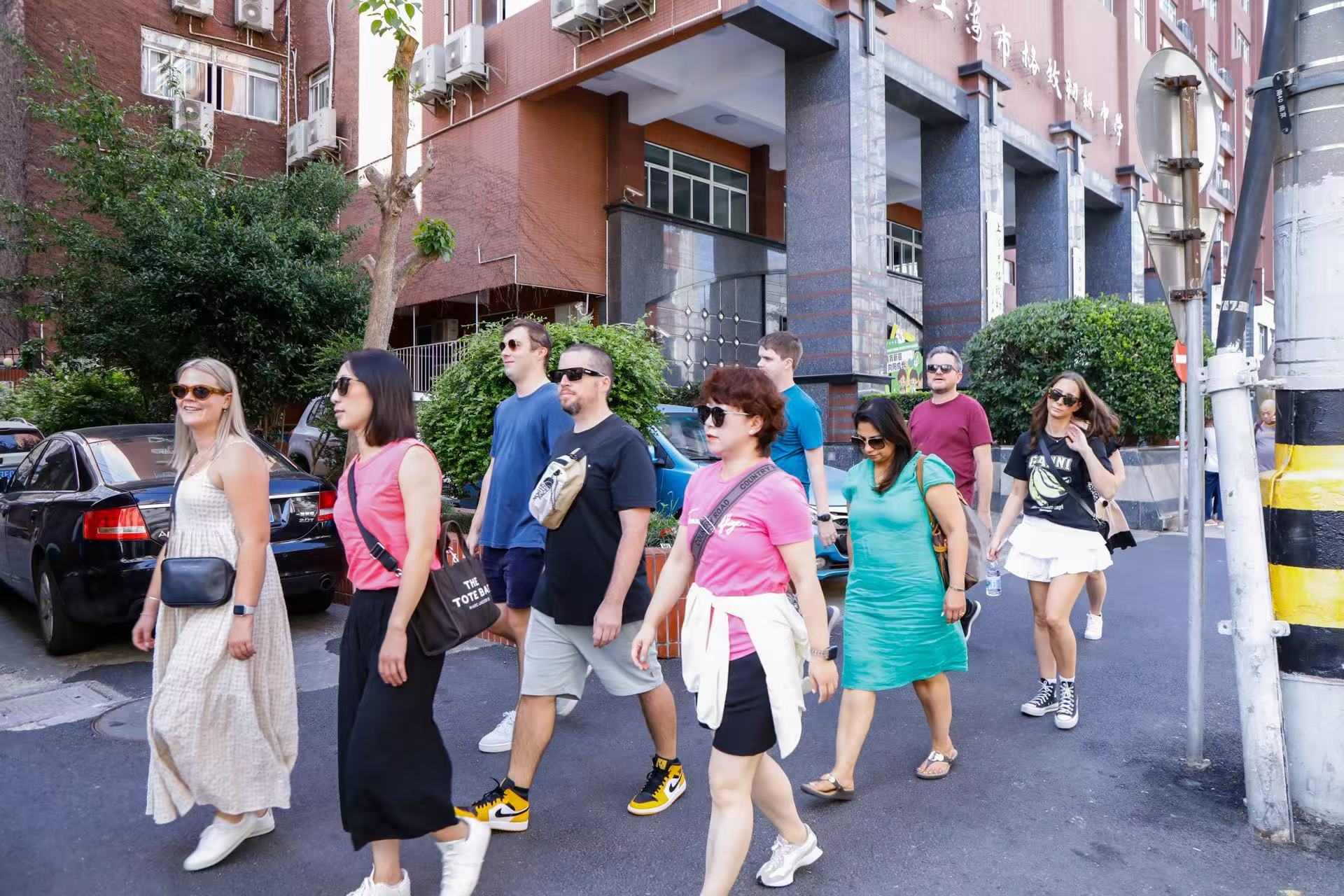
Shanghai & Surroundings: Why Jiangnan Works for NZ
How I package the Yangtze Delta — Shanghai plus Suzhou, Hangzhou, and water towns — for first-time visitors from New Zealand.
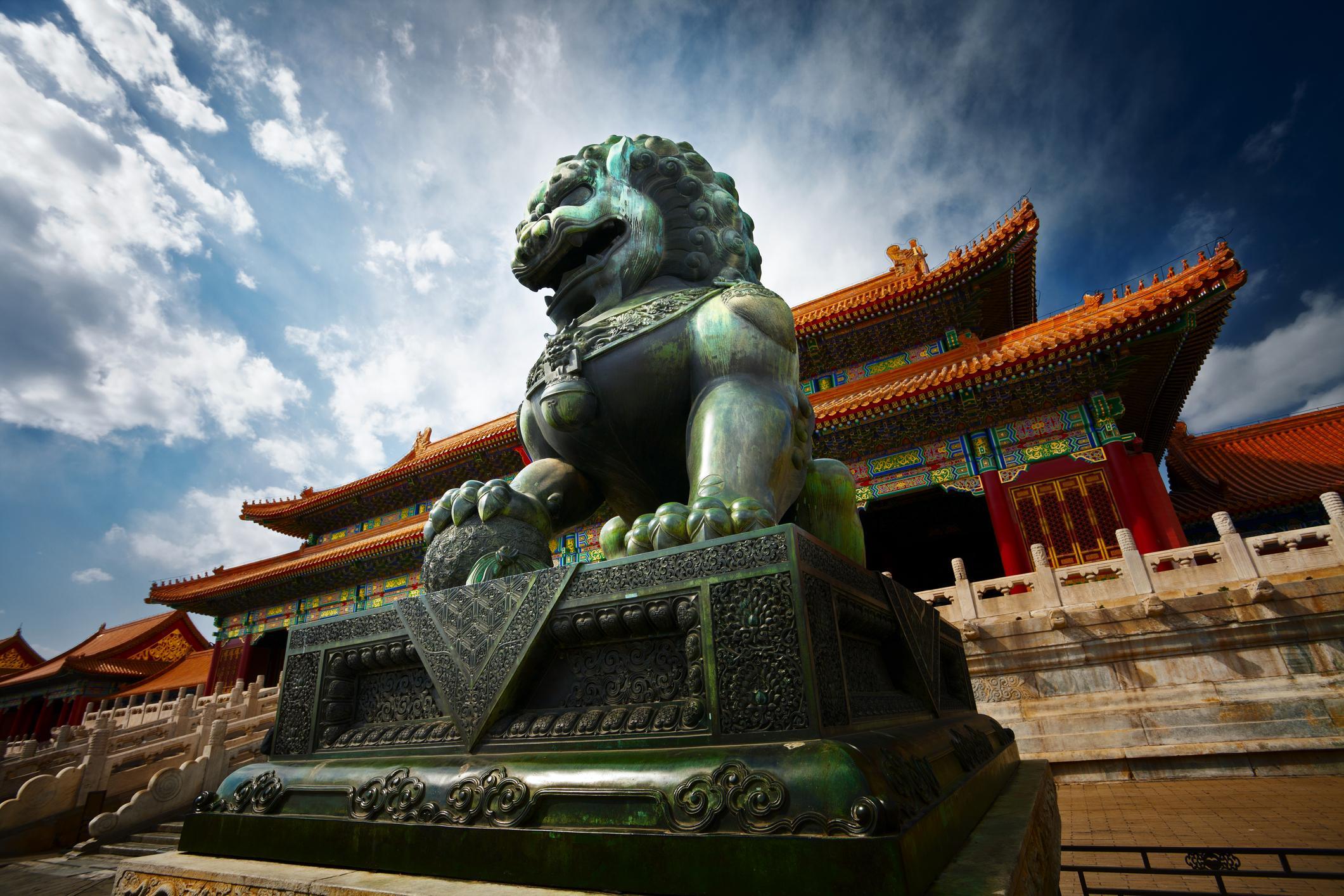
First Trip to China: Beijing or Shanghai?
I compare the two gateways I get asked about most from New Zealand — history-heavy Beijing versus cosmopolitan Shanghai — and how October Discovery departures fit a visa-free trip.