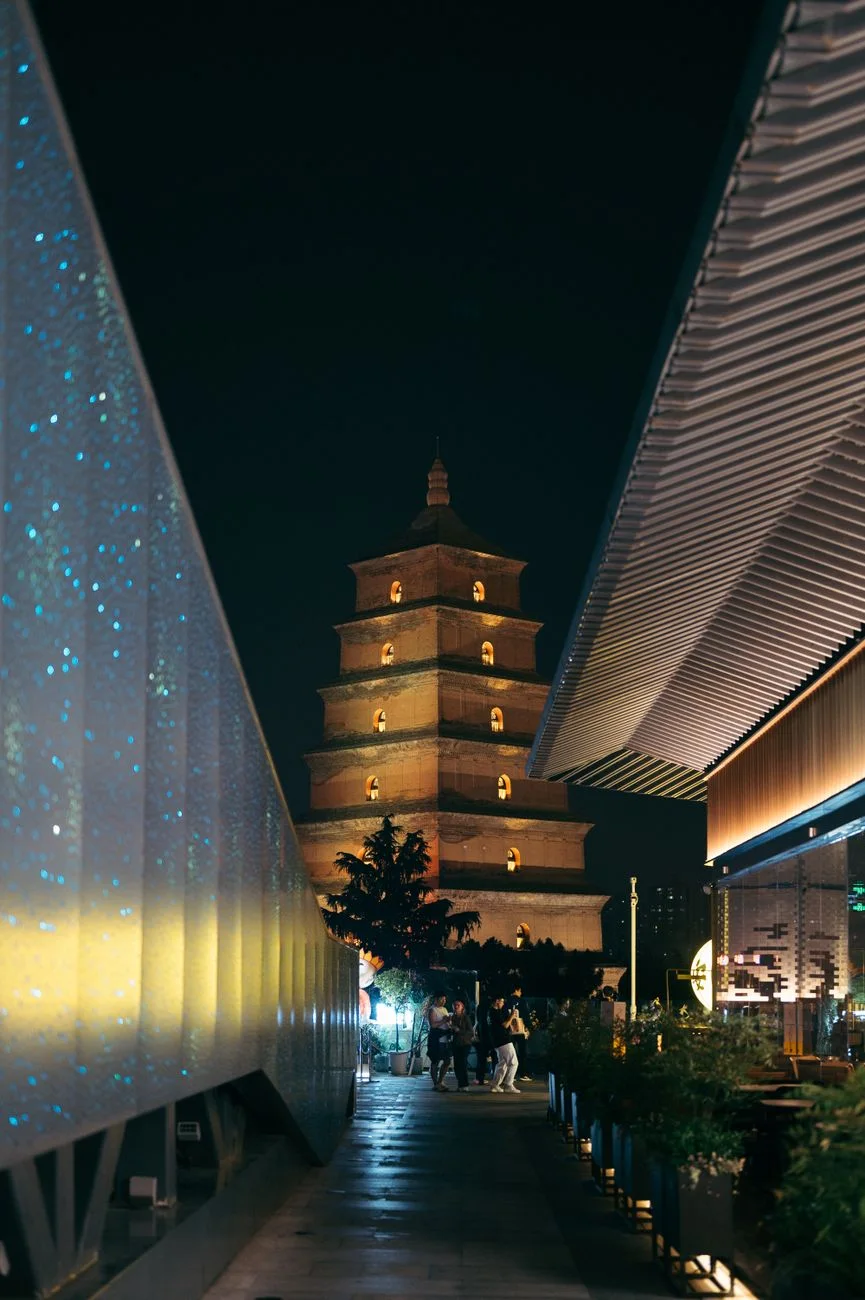
The Big Wild Goose Pagoda is one of Xi'an's clearest links to the cosmopolitan Tang dynasty. It was first built in 652 under the guidance of the monk, traveller and translator Xuanzang to preserve Buddhist scriptures, images and relics brought back from his journey to India. More than a city landmark, the tower represents a period when Chang'an stood at the eastern end of the Silk Roads and ideas travelled alongside merchants and diplomats.
The pagoda rises inside Da Ci’en Temple, an active religious complex with halls, courtyards, incense and a history that extends beyond the tower itself. Outside the temple walls, large public squares and a cultural promenade show how modern Xi’an has built a new evening district around its Tang heritage. Experiencing both sides gives the visit more meaning: the temple explains why the monument exists, while the surrounding neighbourhood shows how that history continues to shape the city.
For a first visit, arrive in mid or late afternoon. Explore the temple while its buildings are open, study the pagoda from several courtyards, and then remain in the district as the light changes. Travellers who only photograph the tower from the square miss the strongest part of the story: Xuanzang’s work, the translation of Buddhist texts and the role of Chang’an in connecting China with Central and South Asia.
Big Wild Goose Pagoda with CTS Tours
Expert-led tours. Small groups. 33+ years in China.
Why Xuanzang’s Story Matters
Xuanzang left Chang’an in the seventh century and travelled through Central Asia to India in search of Buddhist teachings and reliable Sanskrit texts. His journey took many years and later inspired one of East Asia’s best-known literary traditions. When he returned, he brought manuscripts, sacred images and knowledge gathered across a vast network of cultures.
Da Ci’en Temple became an important centre for the work that followed. Xuanzang and other scholars translated Sanskrit texts into Chinese, a task that required religious learning as well as extraordinary care with language and meaning. The pagoda provided a place to preserve material connected with that work, so its significance comes from scholarship and cultural exchange as much as from architecture.
This context changes how the building reads. Its brick mass is deliberately restrained compared with the richly painted halls around it. Rather than functioning as a palace or watchtower, it marked a centre of learning whose influence extended far beyond Tang China. That is why the site forms part of UNESCO’s Silk Roads: Chang’an–Tianshan Corridor World Heritage property.
From Tang Chang’an to the Seven-Storey Pagoda
The first pagoda was constructed in 652 during the Tang dynasty under Xuanzang’s supervision. The monument changed through later rebuilding, earthquake damage and repair before reaching the seven-storey form seen today. Its survival makes it one of the most visible structures connecting modern Xi’an with the ancient capital of Chang’an.
Look closely at the strong square plan, narrowing levels and rhythmic brick openings. The design feels solid and vertical rather than highly decorated. From a distance, the slight taper gives the tower its calm profile; from the temple courtyards, the scale becomes clearer as the pagoda rises behind roofs, incense burners and old trees.
The surrounding city has changed almost completely, which makes the tower’s continued presence especially powerful. It is useful to imagine the much larger Tang-period temple precinct and the scholars who worked there rather than judging the site only by the boundaries of the present complex.
A Meaningful Route Through Da Ci’en Temple
Begin at the southern approach and pause by the Xuanzang statue before entering the temple. It establishes the human story behind the monument and creates a direct sightline toward the pagoda. Inside, move through the main halls and courtyards rather than heading immediately to the tower. The sequence helps explain that the pagoda belongs to a living temple complex.
Allow time for architectural details, devotional spaces and the changing views created by gates and rooflines. The strongest photographs often come from within the courtyards, where the brick tower appears behind painted timber buildings. Respect worshippers, avoid blocking entrances and follow any photography restrictions displayed inside individual halls.
Access to the pagoda interior or upper levels can change because of conservation, capacity or operating arrangements. Treat a climb as an optional addition. The essential experience remains available from ground level: the tower’s form, the temple setting and the historical relationship between Xuanzang, the scriptures and Chang’an.
What the World Heritage Listing Means
The Big Wild Goose Pagoda is one component of the transnational Silk Roads: the Routes Network of Chang’an–Tianshan Corridor, inscribed on the UNESCO World Heritage List in 2014. The corridor links sites across China, Kazakhstan and Kyrgyzstan that document movement, trade, belief and cultural exchange over long distances.
At this site, the Silk Road story is expressed through ideas rather than a marketplace. Texts travelled from India to Chang’an; scholars translated them; Buddhist teachings then circulated in new languages and forms. The pagoda therefore gives visitors a way to understand the Silk Roads as a network for knowledge as well as silk, horses and luxury goods.
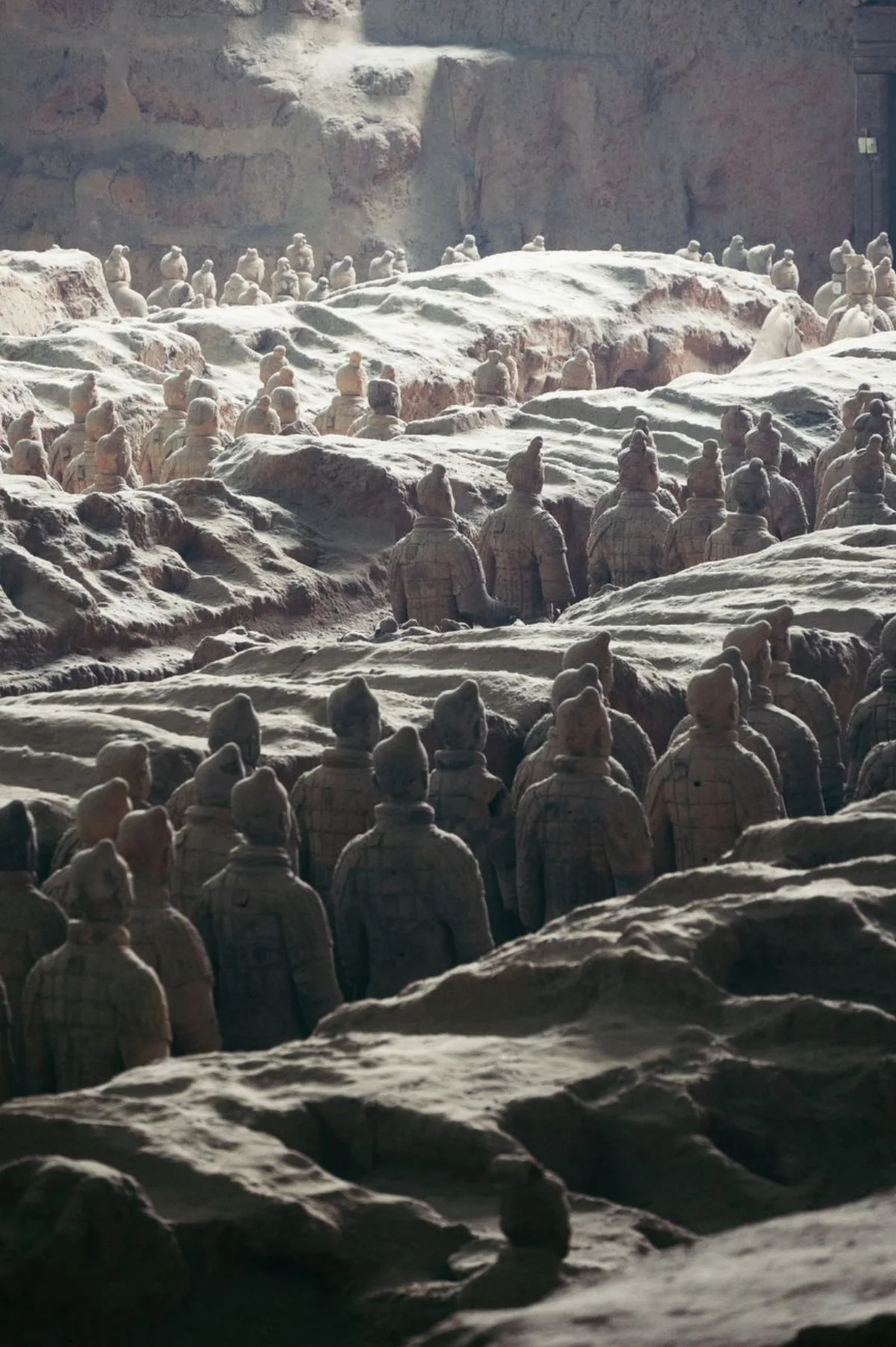
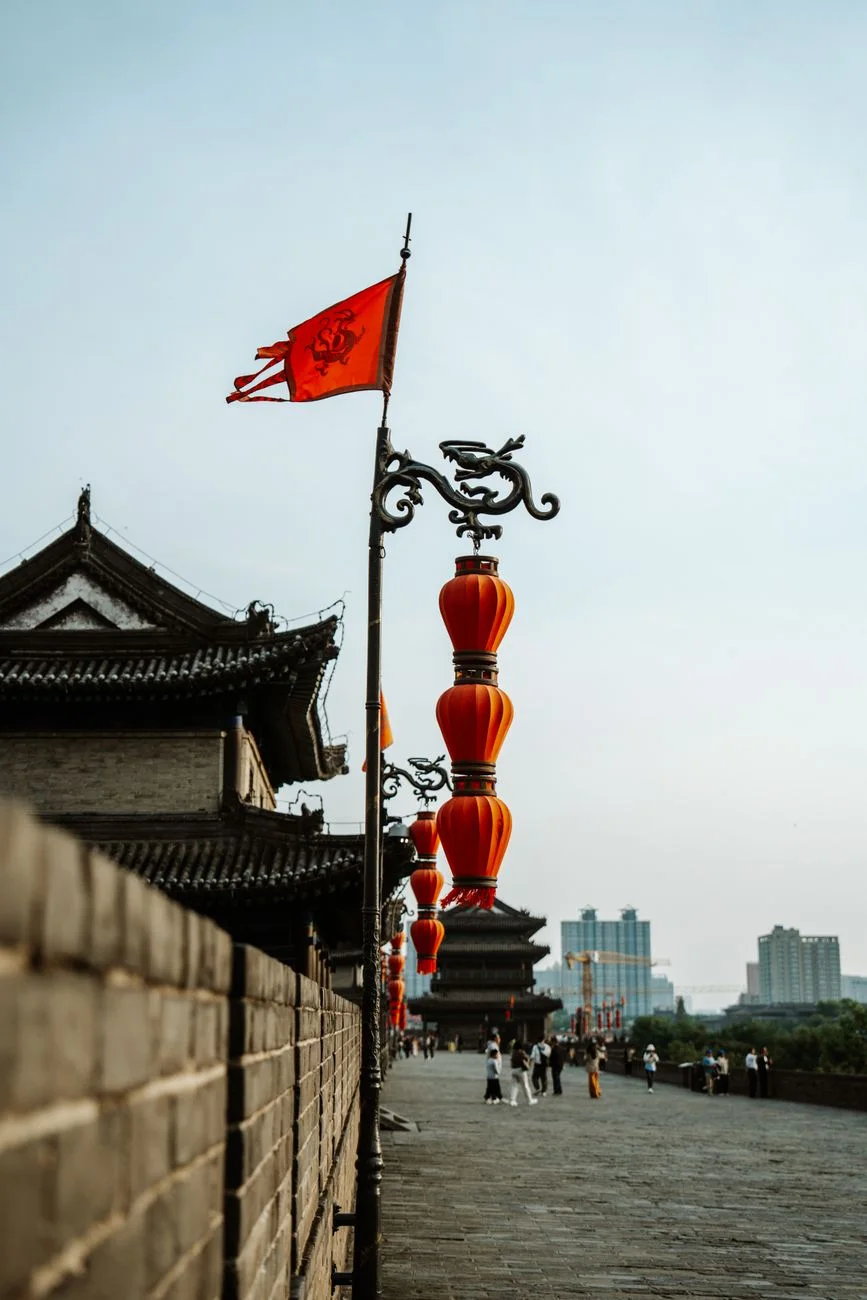
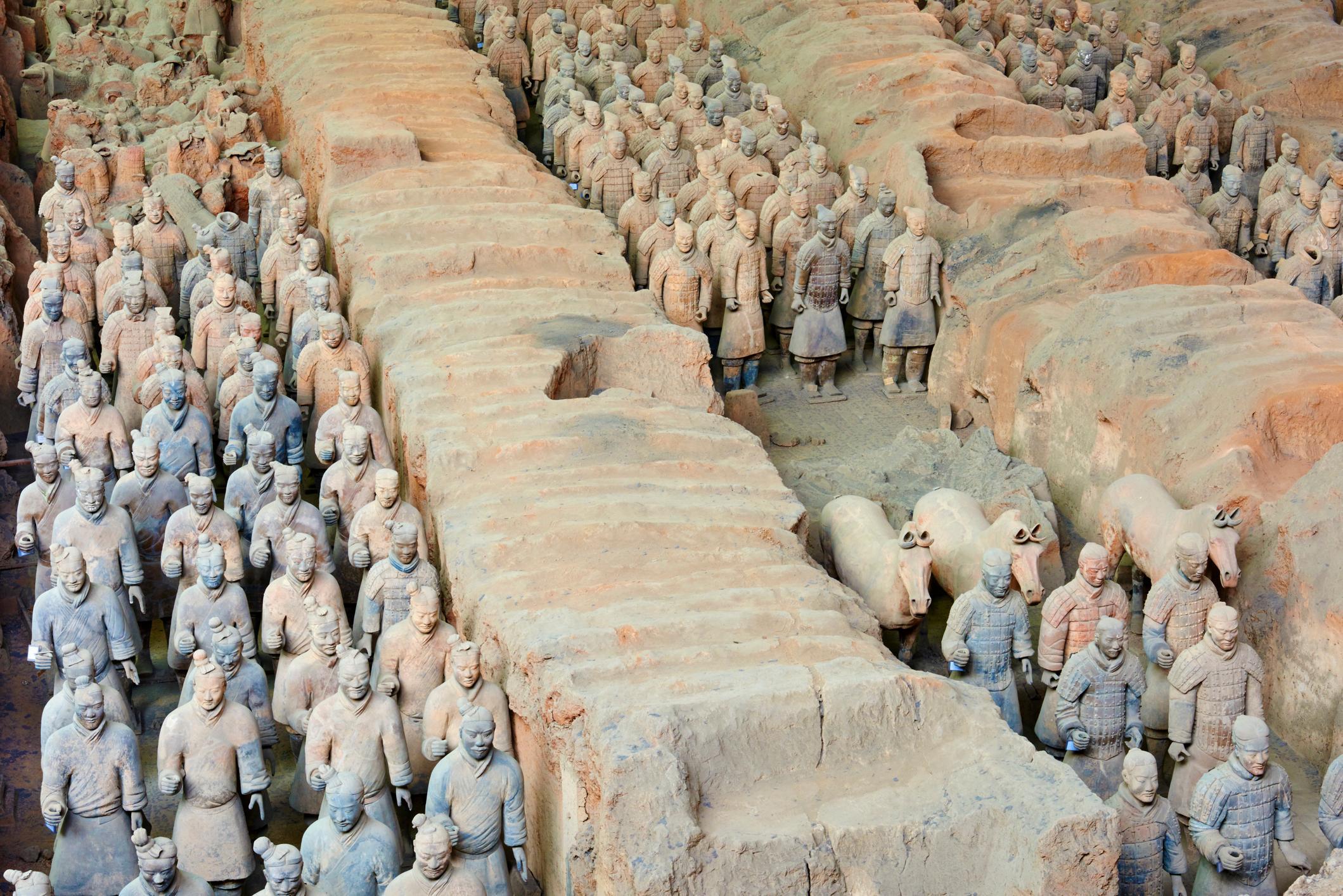
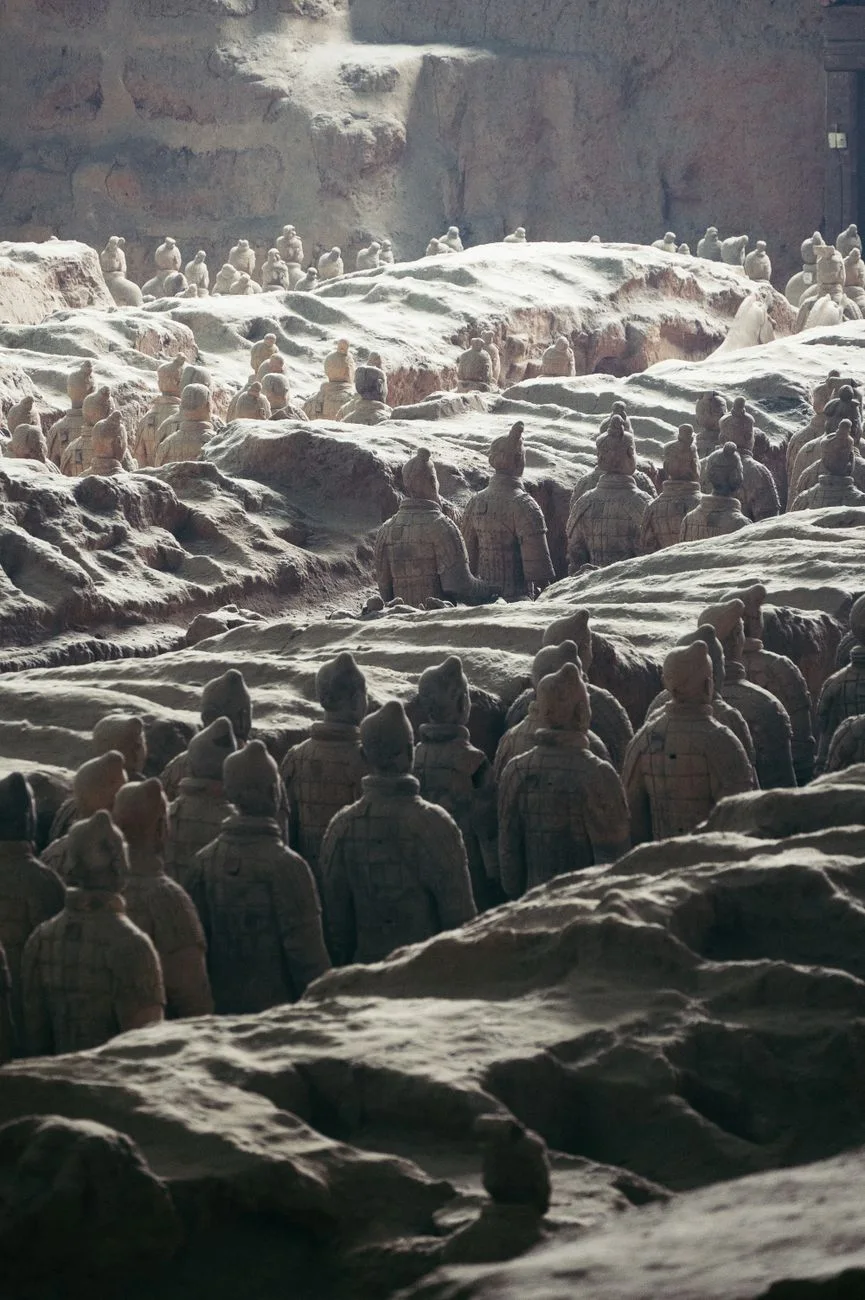
This broader view also connects the pagoda with other Xi’an sights. The city wall reflects the later Ming city, the Terracotta Warriors belong to the Qin empire, and the pagoda represents Tang-era internationalism. Visiting all three helps separate distinct periods that are often compressed into a single idea of “ancient Xi’an”.
Daylight, Blue Hour and the Evening District
Daylight is essential if you want to understand the temple and see the brickwork, painted halls and courtyard details clearly. Morning can be quieter, while late afternoon gives warmer light and creates the easiest transition into the evening. Check the temple’s current last-entry time before planning a late arrival.
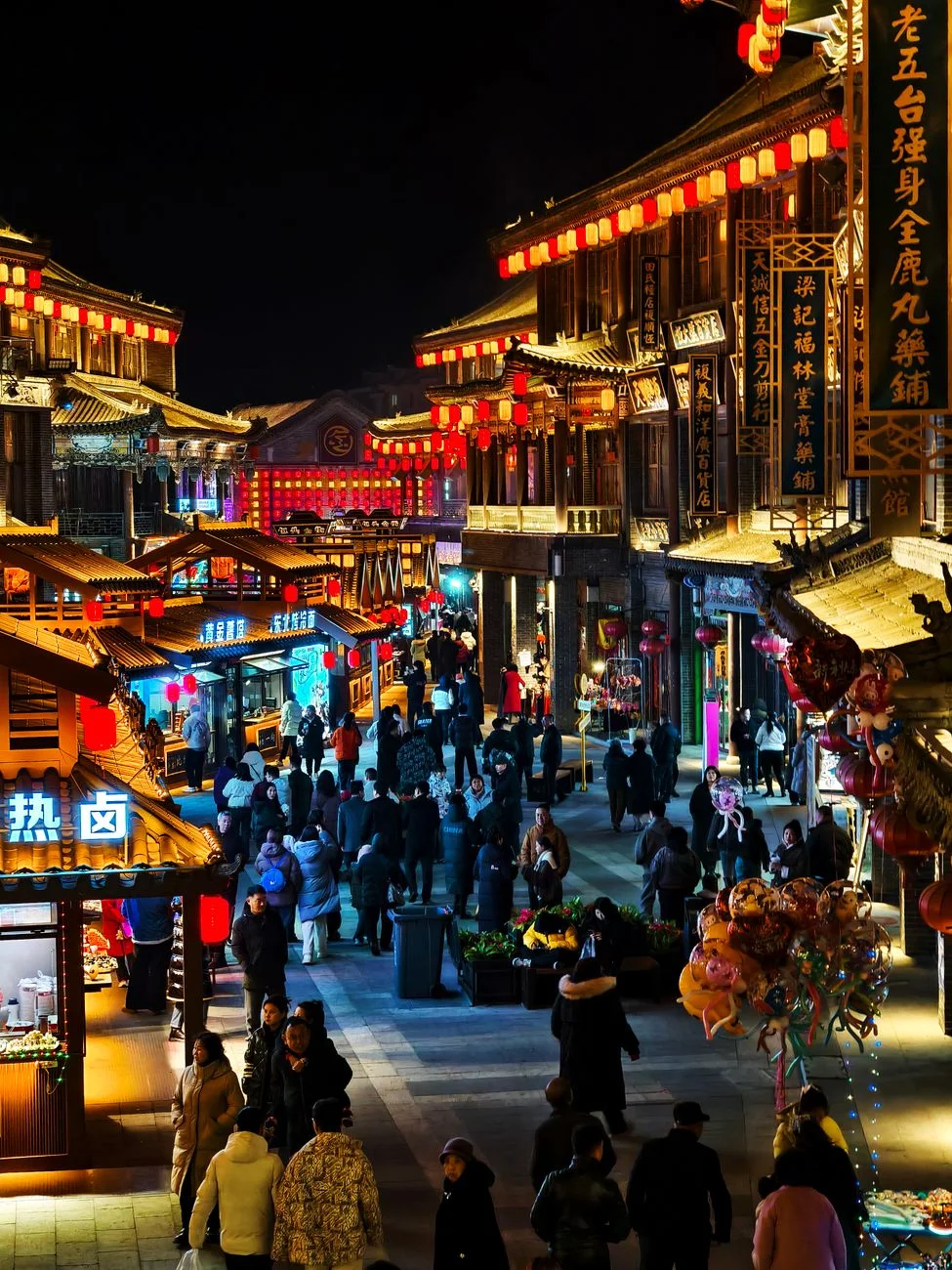
After the temple visit, walk through the public squares and continue toward the Tang-themed cultural promenade. The atmosphere becomes more theatrical after dark, with illuminated buildings, performances on some evenings and large numbers of local visitors. It is a contemporary interpretation of Tang identity rather than an untouched historical quarter, but that distinction is part of what makes the area interesting.
Photographers should keep both wide and compressed views in mind. The tower works well as a distant anchor above the square, while gates, trees and temple roofs create stronger foregrounds from inside the complex. Blue hour often balances the remaining colour in the sky with the district’s architectural lighting.
How to Fit It into an Xi’an Itinerary
The pagoda pairs naturally with the Shaanxi History Museum because both sit south of the city centre and build a strong Tang-dynasty narrative. Museum reservations and opening arrangements can be restrictive, so confirm those first and let the fixed booking determine the order of your day.
For a broader contrast, visit Xi’an City Wall earlier and come to the pagoda district in late afternoon. The wall presents the defensive structure of the later city, while Da Ci’en Temple opens a window onto religion, travel and scholarship. The Muslim Quarter can follow on another evening if you want food and street life rather than another major monument.
Travellers returning from the Terracotta Warriors may also use the pagoda as an evening stop, provided the day has not become too long. This combination spans Qin and Tang history, but it involves substantial travel and walking. A slower itinerary gives the pagoda its own half-day with the museum or nearby cultural district.
Top Attractions in Big Wild Goose Pagoda
Big Wild Goose Pagoda
The seven-storey brick tower associated with monk and translator Xuanzang.
Da Ci’en Temple
The active temple complex surrounding the pagoda.
Xuanzang Statue
A prominent monument linking the site to Silk Road scholarship.
Cultural District and Squares
Pedestrian areas, landscaped plazas and evening activity around the temple precinct.
Practical Information
Getting Around
Dayanta metro station serves the wider precinct, and taxis can drop visitors near the main approaches. Confirm your chosen entrance because the temple, northern square and southern cultural promenade cover a sizeable area.
Climate & Best Time
Temple courtyards provide some shade, but the public squares are exposed. Carry water and sun protection in summer; winter evenings can feel much colder once the sun drops. Best time: Late afternoon offers the best all-round visit: temple detail in daylight, softer photography and the surrounding district after dark. A weekday morning is better if your priority is quiet contemplation.
Budget
The surrounding public squares can be explored freely. Da Ci’en Temple and any pagoda access may use separate tickets, and arrangements can change, so confirm current official information shortly before visiting.
Language & Safety
Key areas have some English interpretation, but the importance of translation, Buddhist history and Silk Road exchange is easier to understand with a knowledgeable guide. The area is well visited but can become crowded after dark. Agree on a meeting point, watch for bicycles and service vehicles in pedestrian areas, and allow extra time when leaving after performances.
Frequently Asked Questions
Why is the Big Wild Goose Pagoda famous?
It was first built in 652 under Xuanzang’s guidance to preserve Buddhist scriptures, images and relics associated with his journey to India. The site represents Tang-dynasty scholarship and the movement of ideas along the Silk Roads.
How much time should I allow?
Allow at least 90 minutes for Da Ci’en Temple and the pagoda precinct. Two and a half to three hours is more comfortable if you want to read the interpretation, take photographs and continue into the surrounding district after dark.
Is it better by day or at night?
The temple should be experienced in daylight, while the public squares and cultural promenade are livelier after dark. Arriving in late afternoon lets you see both without making two separate visits.
Can visitors climb the Big Wild Goose Pagoda?
Interior and upper-level access can change because of conservation and operating arrangements. Check the current official rules before visiting and plan the trip so it remains worthwhile even if climbing is unavailable.
Is the Big Wild Goose Pagoda the same as the Small Wild Goose Pagoda?
No. They are separate Tang-dynasty monuments in different parts of Xi’an. The Big Wild Goose Pagoda stands inside Da Ci’en Temple and is closely associated with Xuanzang; the Small Wild Goose Pagoda forms part of the Xi’an Museum precinct.
Can it be combined with Xi’an City Wall?
Yes. Visit the City Wall earlier in the day, then move to Da Ci’en Temple in late afternoon and remain near the pagoda for the evening atmosphere. This also shows two different periods of Xi’an’s history.
Recommended Reading
Continue the story with practical routes, local food, transport and the wider history of Xi'an.
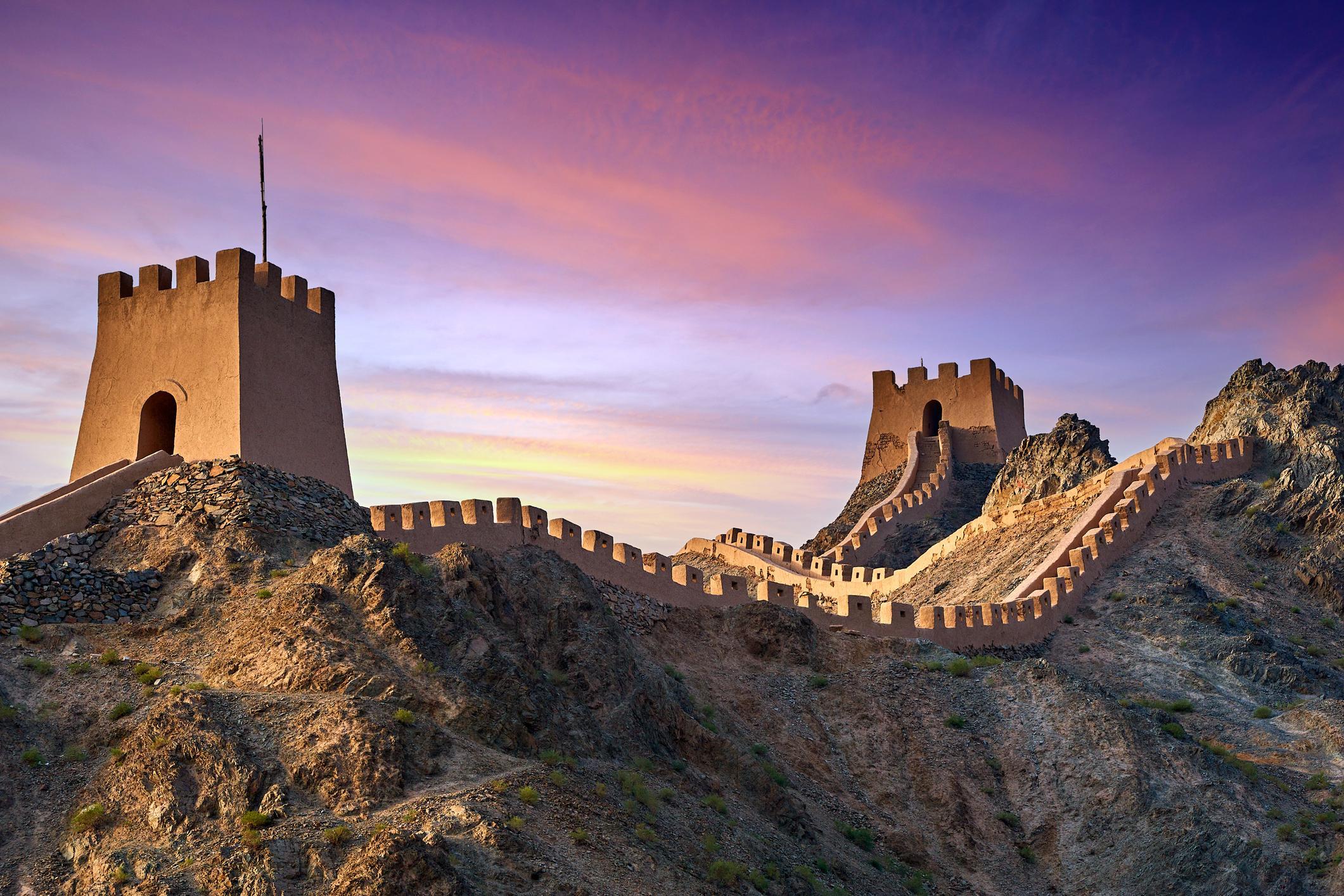
Why the Silk Road Should Be Your Next Adventure
I’m Baker Gu — here’s why I still believe the Silk Road belongs on your list, and how I design our Signature route through China’s western frontiers.
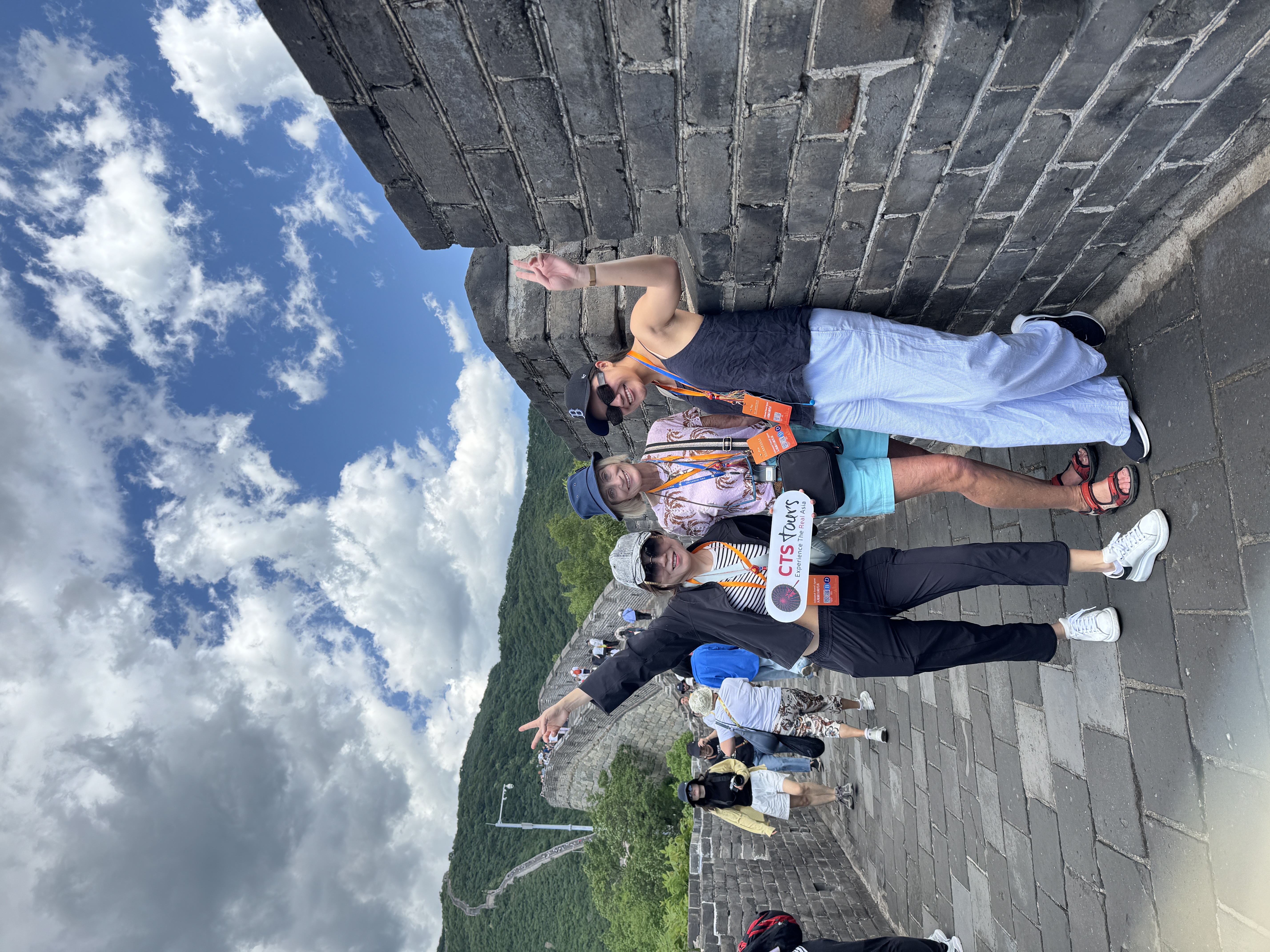
10-Day Beijing & Xi'an Itinerary for NZ Travellers
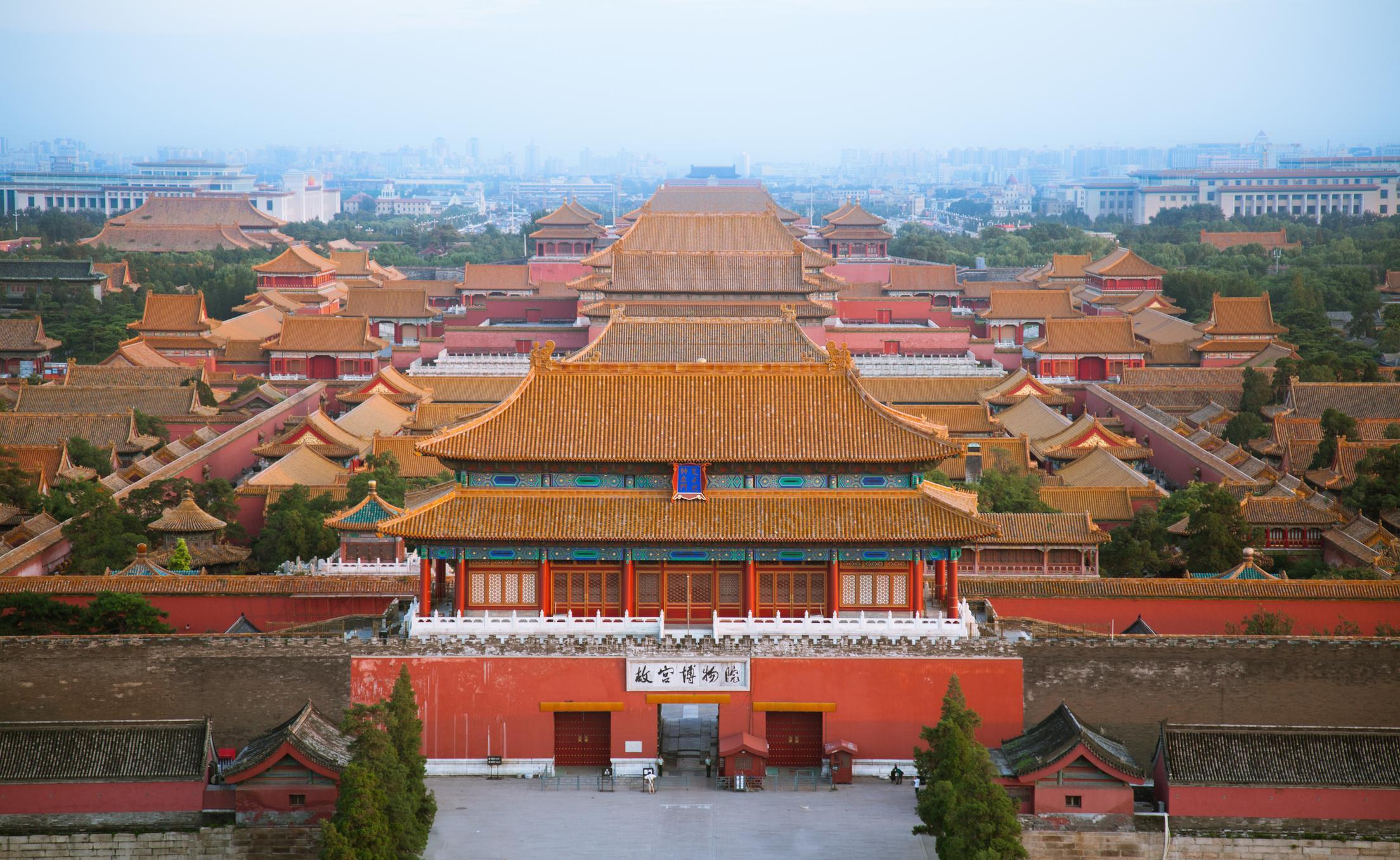
A practical day-by-day guide to 10 days in Beijing and Xi'an — the Forbidden City, Great Wall, high-speed train, and Terracotta Warriors — designed for New Zealand travellers doing China for the first time.

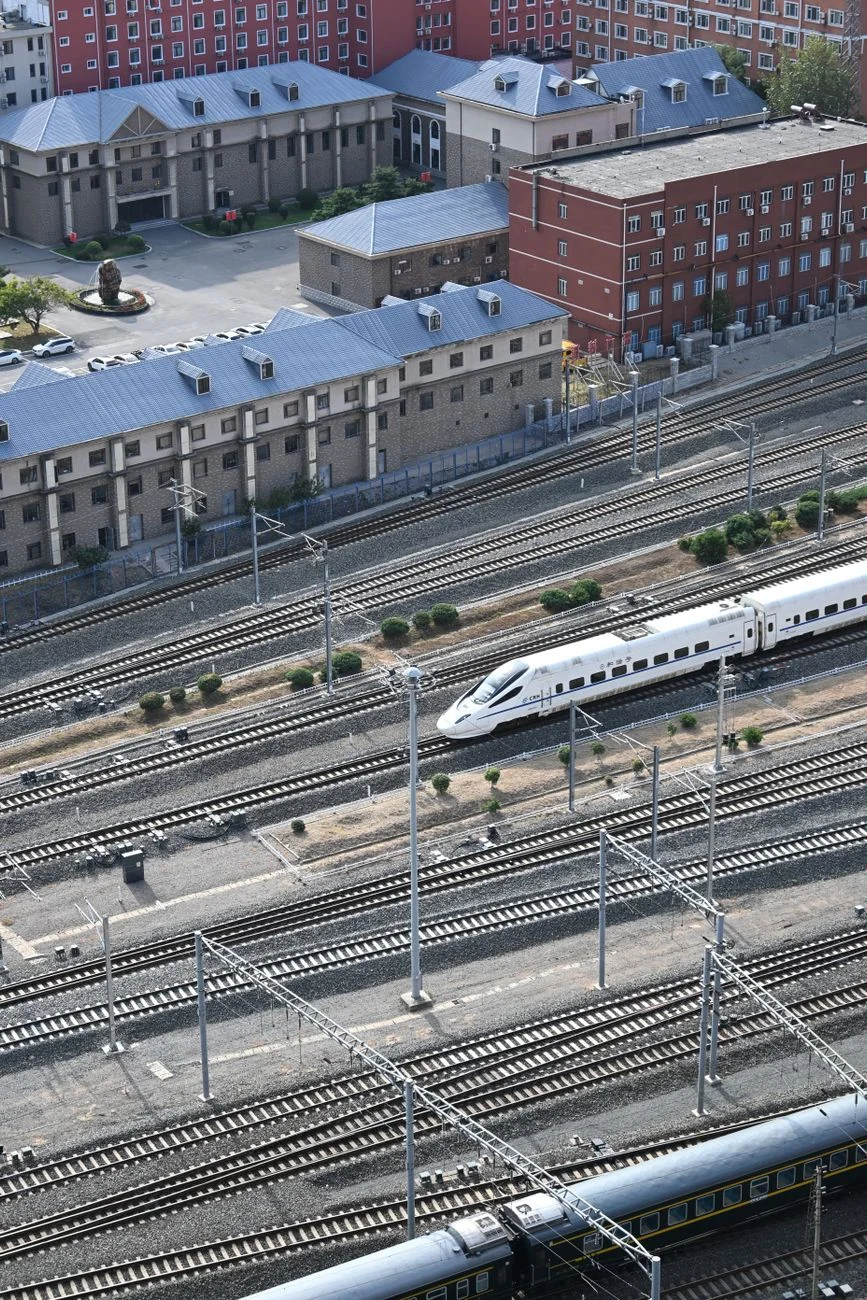
Beijing to Xian High Speed Train Guide
Plan your Beijing to Xian high speed train journey. Routes, schedules & booking tips for NZ travellers heading to China's ancient capital.
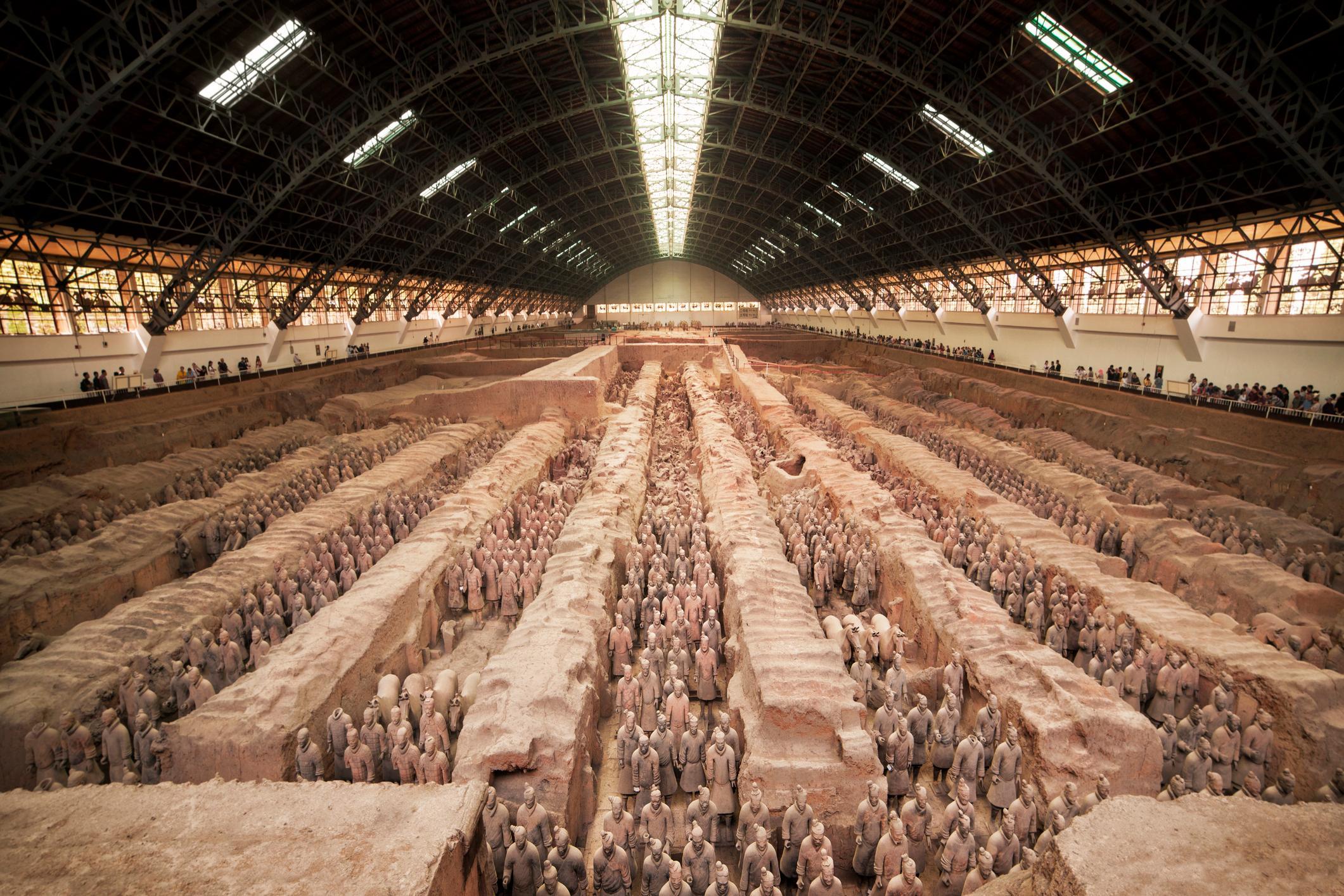
Visiting the Terracotta Warriors: NZ Traveller Guide
The Terracotta Army is one of the greatest archaeological discoveries in history. Here's what to expect, how to make the most of your visit, and why it deserves a full day.
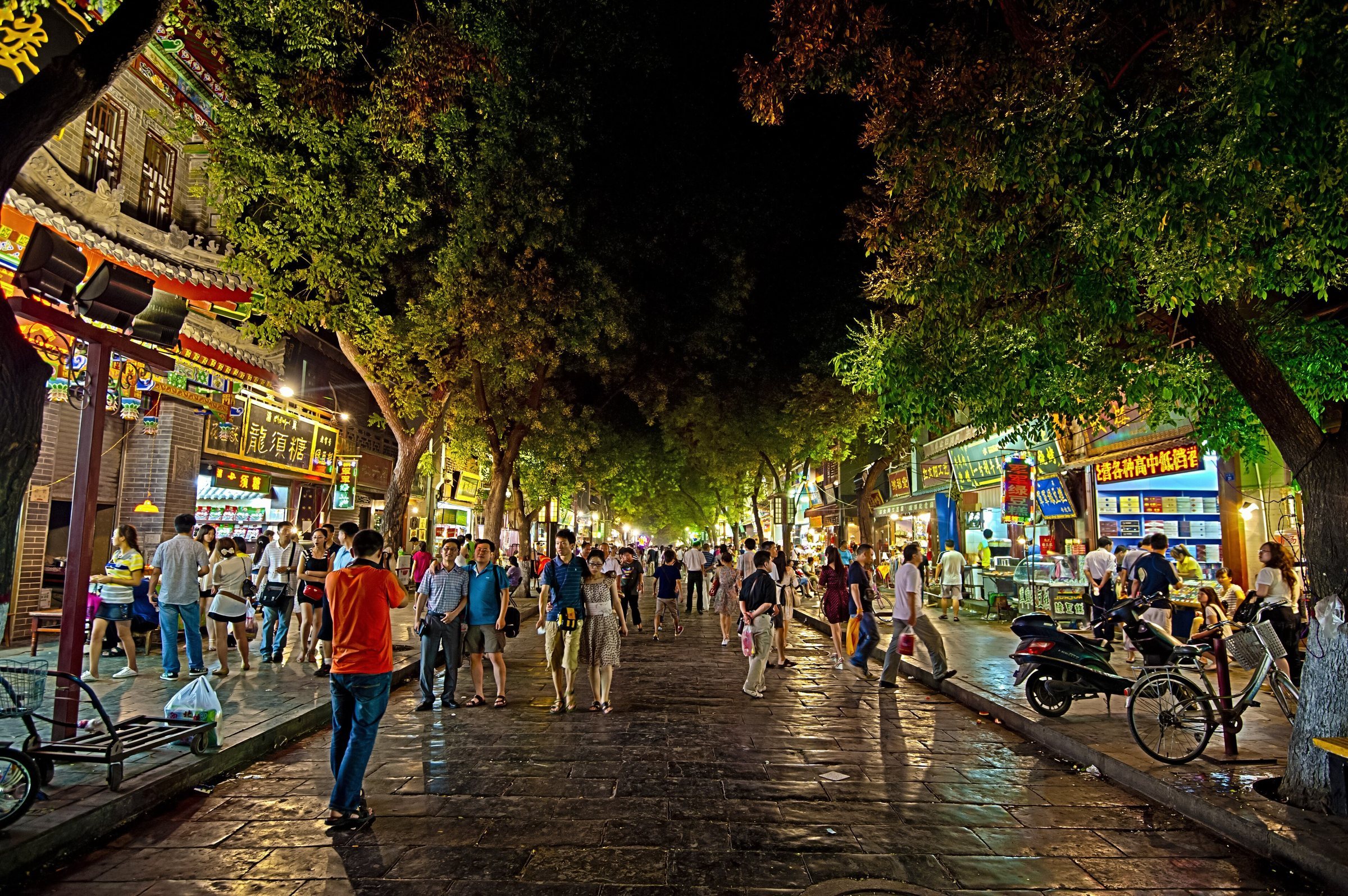
Xi'an Street Food Adventure: A Guide to the Muslim Quarter
Xi'an's Muslim Quarter is one of the great street food corridors in Asia — lamb skewers, roujiamo, persimmon cake, and pomegranate juice. Here is how to eat your way through it without the tourist traps.
First China Trip: Why Beijing & Xi'an Is the Right Start
If you're planning your first trip to China from New Zealand, Beijing and Xi'an is the most rewarding and logistically sensible combination. Here's why — and how to do it properly.